Skip to content


Key Takeaways for Healthy Lips:
- Understanding Dry Lips: Lips lack oil glands, making them vulnerable to dryness year-round. Environmental factors like cold air, indoor heating, and sun exposure are common triggers. Avoid licking your lips, as saliva can worsen irritation and dryness.
- Year-Round Protection: Shield your lips from the elements by applying a lip balm with SPF 30 or higher, especially during summer. In winter, consider using a humidifier indoors to maintain moisture levels and regularly apply a rich, hydrating lip balm.
- Choosing the Right Lip Balm: Look for lip balms containing ingredients like petroleum jelly, ceramides, and cocoa butter for effective hydration and protection. Vaseline Lip Therapy products offer occlusive benefits, helping to seal in moisture. Opt for fragrance-free and hypoallergenic formulas if you have sensitive skin.
- Essential Daily Habits: Maintain lip health by staying well-hydrated, gently exfoliating once or twice a week, and consciously avoiding picking or biting your lips. A consistent lip care routine is key to preventing dryness and maintaining softness.
- Diet and Hydration: Support lip health from within by including omega-rich foods such as fish, chia seeds, and flaxseeds in your diet. Water-packed fruits like watermelon, cucumber, and berries also contribute to overall hydration, which is vital for plump, healthy lips.
- When to Seek Professional Advice: If you experience persistent lip dryness despite consistent care, it may be beneficial to consult a dermatologist. Underlying issues like allergies or specific skin conditions might require professional assessment and tailored guidance.
Do you find yourself constantly battling dry lips? We understand that it's not just a winter concern; for many, it can be a persistent challenge throughout the year. Understanding the main causes and adopting effective habits can help keep your lips feeling comfortable and looking healthy. From identifying the root of the problem to selecting the right lip balm and establishing a beneficial routine, we're here to guide you towards lasting lip comfort.
Understanding Dry Lips: Symptoms and Causes
Dry lips can be a common concern, often influenced by environmental factors, hydration levels, or daily habits. Let's explore why your lips might be experiencing dryness and what signs to look for.
Common Symptoms of Dry Lips
You might notice these common symptoms on or around your lips:
- Dryness and tightness
- Visible scales or peeling skin
- Flaking texture
- Small cracks or fissures
- Occasional bleeding
- Mild swelling
- Soreness or discomfort
Exploring the Causes of Dry Lips
Did you know that, unlike other parts of our skin, our lips don’t contain oil glands? This unique characteristic makes them more susceptible to dryness and chapping, especially when exposed to various environmental elements.
Why Do Lips Become Dry in Summer?
Summer sun and dry heat can be particularly challenging for your lips. They can experience sunburn, similar to other skin areas, leading to redness, swelling, and discomfort. Prolonged sun exposure over time can also contribute to a skin condition known as actinic cheilitis, which typically affects the lower lip, causing it to become dry, thin, fragile, and prone to thickened sores.
Why Do Lips Become Dry in Winter?
Winter's cold, dry air and indoor heating systems can significantly reduce your lips' natural moisture. This occurs because skin tends to reflect the moisture levels of its surrounding environment, making lips particularly vulnerable during colder months.
Is Licking Dry Lips Helpful?
While licking dry lips might feel like a natural way to add moisture, it can actually be counterproductive. Excessive saliva can irritate the delicate skin of your lips and may lead to a condition called lip licker’s dermatitis, characterized by dryness, scaling, and chronic redness on and around the lips.
Effective Strategies for Preventing Dry Lips Throughout the Year
Now that you understand potential causes, let's explore practical remedies to help restore and maintain your lips' comfort and health.
Preventing Dry Lips in Winter
To combat dry winter lips, consider increasing indoor humidity levels. Dermatologist Dr. Mona Gohara suggests using a humidifier. Additionally, consistent application of a rich, hydrating lip balm can provide essential protection.
Preventing Dry Lips in Summer
During summer, staying well-hydrated, seeking shade, and using a lip product with SPF 30 or higher are important steps to shield your lips from harmful UV rays.
Year-Round Prevention for Dry Lips
Winter's biting winds and indoor heating can leave lips feeling parched. Combat these conditions with a supportive lip balm, such as the convenient, pocket-sized Vaseline® Lip Therapy Original Mini, to help protect your lips from environmental stressors.
In summer, excessive sun exposure can also contribute to dryness. Ensure you apply a lip product with SPF 30 or higher to your lips. Once absorbed, follow with a moisturizing lip balm for added protection. For transitional seasons, maintaining a consistent lip care routine helps your lips adapt to changing weather conditions.
Read next: Different Ways to Use Vaseline® Jelly
How to Help Prevent Cracked Lips
Cracked lips can often be prevented by ensuring adequate hydration and minimizing prolonged exposure to extreme weather conditions. Consistent care can make a significant difference.
Simple Daily Habits for Maintaining Soft, Hydrated Lips
Selecting the Right Lip Balm for Dry Lips
When choosing a lip balm to address dry lips, consider these key criteria to find a product that offers effective relief and lasting comfort.
Ingredients Matter: Key Components for Dry Lip Relief
Look for lip balms formulated with ingredients known for intense hydration and barrier support, such as ceramides, cocoa butter, and petroleum jelly. Vaseline® Lip Therapy® Advanced Healing Tube is an example that can help provide relief for dry, chapped lips.
Lasting Hydration: Moisturizing Elements for Continuous Comfort
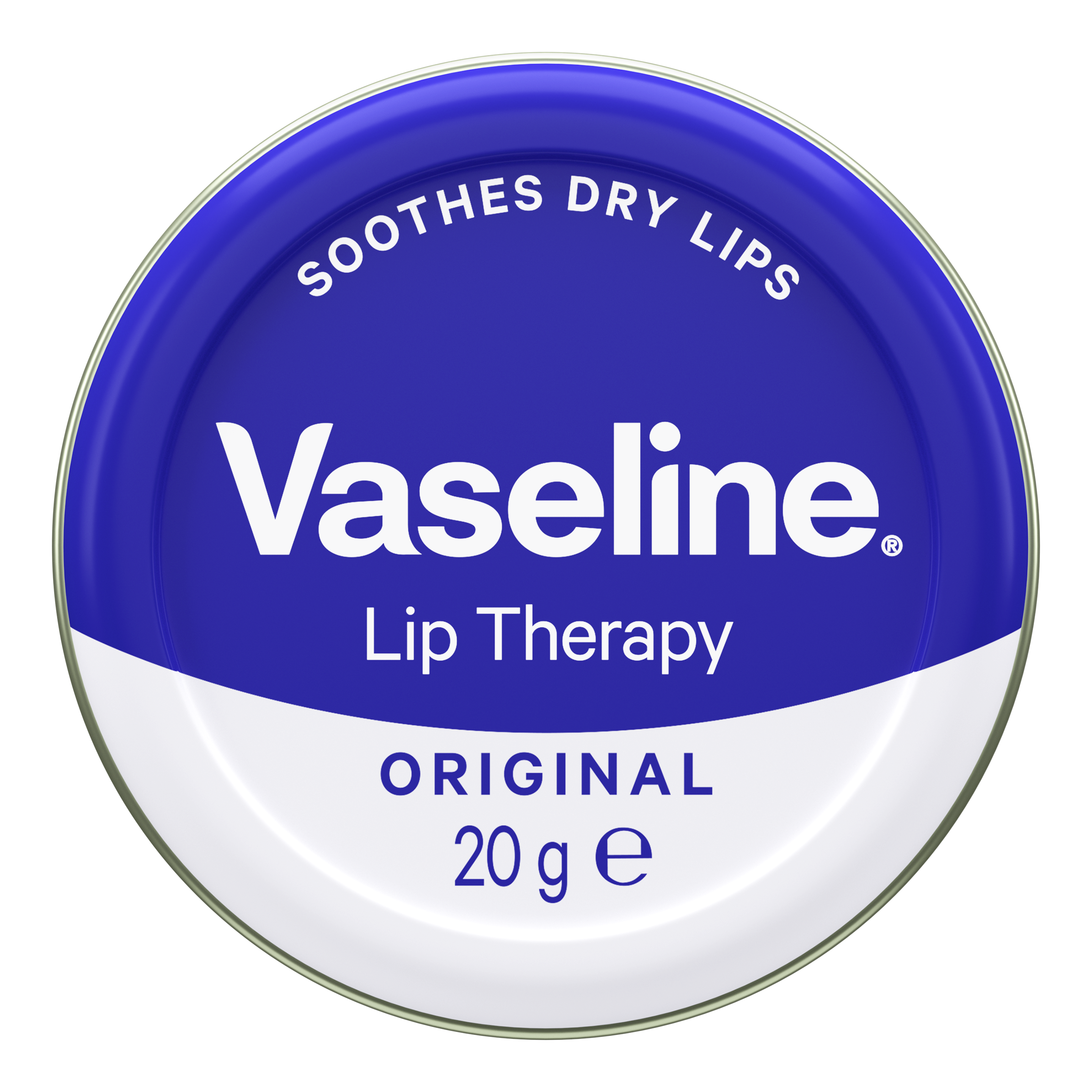
Utilize lip balms that contain occlusive ingredients like petroleum jelly. These help to create a protective barrier, soothing and healing dry lips by locking in moisture. Consider our Vaseline® Lip Therapy® Original Tin for long-lasting moisture and to help maintain healthy-looking lips, regardless of the season.
Allergen Awareness: Choosing Lip Balms for Sensitive Skin
If you have sensitive skin, it's advisable to select fragrance-free and hypoallergenic lip balms. This helps minimize the risk of irritation and ensures a comfortable experience.
Texture and Application: Finding Your Preferred Fit
Choose a lip product with a texture that feels comfortable and enjoyable for you – whether it's a rich balm, a smooth gloss, or a lightweight serum. Personal comfort is key to consistent application.
Long-Lasting Solutions: Balms for Extended Lip Protection
Investing in lip balms that offer long-lasting hydration can provide continuous protection, reducing the need for frequent reapplication and ensuring your lips stay comfortable for longer.
Common Mistakes That Can Aggravate Dry Lips and How to Avoid Them
Neglecting Regular Lip Exfoliation
Regular, gentle exfoliation helps remove dead skin cells, which can prevent chapping and allow moisturizing products to work more effectively. Use a mild lip scrub or a soft, clean toothbrush to gently exfoliate your lips.
Overlooking Internal Hydration
Remember, effective hydration begins from within. Consuming enough water and incorporating water-rich foods into your diet are crucial steps to help keep your lips feeling plump and hydrated.
The Impact of Diet on Lip Health: Foods for Optimal Hydration
Consider including these hydrating foods in your daily diet to support overall skin and lip health:
- Omega-rich sources: Foods like fish, chia seeds, and flaxseeds provide essential fatty acids that contribute to skin barrier function.
- Water-packed fruits: Options such as watermelon, cucumber, and berries offer significant hydration and beneficial nutrients.
When to Seek Professional Help for Persistent Lip Dryness
If your lips remain persistently dry and uncomfortable despite consistent efforts with various remedies, it may be time to consult a dermatologist. Underlying issues, such as allergies or specific skin conditions, might require professional assessment and tailored guidance.
Read next: Solving the Mystery of Dry Skin: Causes, Symptoms, and Treatment
Embrace Lasting Lip Comfort
Effectively managing dry lips involves a holistic approach: understanding the causes, adopting preventive measures, choosing supportive lip care products, and embracing healthy daily habits. By integrating these strategies, you can move past the discomfort of dry lips and enjoy a vibrant, well-moisturized pout that feels as good as it looks.
Frequently Asked Questions About Dry Lips
Winter's cold, dry air and indoor heating systems can significantly reduce your lips' natural moisture. Since lips lack oil glands, they are particularly susceptible to environmental conditions, making them feel dry and chapped during colder months.
No, licking dry lips is generally not recommended. While it might provide temporary relief, saliva can actually irritate the delicate skin on your lips and evaporate quickly, leaving them even drier. This can sometimes lead to a condition called lip licker's dermatitis.
For dry lips, look for lip balms containing hydrating and occlusive ingredients. Ceramides, cocoa butter, and petroleum jelly are excellent choices as they help to intensely moisturize and create a protective barrier to seal in moisture. Fragrance-free and hypoallergenic options are ideal for sensitive skin.
Yes, your lips are vulnerable to sunburn, just like the rest of your skin. Excessive sun exposure in summer can lead to redness, swelling, and pain. Over time, chronic sun exposure can also contribute to conditions like actinic cheilitis, particularly affecting the lower lip.
It is generally recommended to gently exfoliate your lips once or twice a week. This helps remove dead skin cells, promoting smoother lips and allowing your lip balm to be more effective. Avoid over-exfoliating, as this can cause irritation.
Supporting lip hydration starts from within. Incorporate omega-rich foods like fish, chia seeds, and flaxseeds into your diet. Additionally, water-packed fruits such as watermelon, cucumber, and berries contribute to overall body hydration, which benefits your lips.
These articles provide general tips and information about improving skin health. They have been written by health and beauty writers. They have not been written by health care professionals and, as such, don’t constitute medical advice. If you have a serious skin condition, please consult a medical professional.
Explore More Articles on Lip Health




Recommended Products for Dry Lips



- slide 1
- slide 2
- slide 3
- slide 4
- slide 5
- slide 6