Skip to content

If you're navigating the challenges of acne, you might be wondering if the popular skincare trend of slugging could offer a solution for managing breakouts and improving skin health. Slugging, a practice often associated with Korean skincare, involves applying a thick occlusive layer to the skin. But what exactly is slugging, and can it truly help with acne management? This guide will explore the benefits of slugging, particularly with non-comedogenic products like Vaseline® Healing Jelly, and how it can positively impact acne-prone skin.
Key Takeaways:
- Slugging Fundamentals: Slugging involves applying an occlusive, such as Vaseline® Healing Jelly, as the final step in your evening skincare routine to create a protective barrier that prevents moisture loss and locks in underlying treatments.
- Acne Management Benefits: Vaseline® Healing Jelly is non-comedogenic, meaning it won't clog pores. This practice can help prevent dryness-induced oil overproduction and buffer the potentially drying effects of active acne ingredients like benzoyl peroxide and salicylic acid.
- Effective Application: Begin with a thorough cleanse, apply your acne treatments and a hydrating moisturizer, then seal everything in with a thin layer of Vaseline petroleum jelly for optimal results.
- Tailored for Combination Skin: For those with combination skin, consider applying the occlusive only to drier areas to avoid trapping bacteria on already oily zones, ensuring targeted hydration where it's most needed.
- Important Precautions: Always choose non-comedogenic products, perform a patch test if you have sensitive skin, and ensure your skin is clean before application. Discontinue use if any irritation occurs.
Understanding Slugging: What Is It?
Slugging is a skincare practice that involves applying a thick occlusive, typically a petroleum jelly like Vaseline® Healing Jelly Original, as the final step in your evening skincare routine. This creates a deeply moisturizing effect by forming a protective barrier on the skin's surface. While it has gained significant popularity in recent years and is often associated with Korean skincare, it's worth noting that black women have been utilizing slugging for generations.
“Occlusives don’t actually moisturize your skin in the same way other lotions and creams do, though,” explains Dr. Michelle Henry, MD, Board Certified Dermatologist. “Instead, they create a layer on the surface of your skin that keeps water and the skin’s natural oils (sebum) locked in. This prevents dryness due to water and oil evaporation (also called transepidermal water loss),” she adds. The effect of this thick layer of product on the skin resembles the slimy trail left by slugs — hence the name — leaving your skin with a dewy, supple glow.
Benefits of Slugging for Acne-Prone Skin
Many wonder, does slugging help with acne? If you're managing acne with a dedicated skincare routine, slugging could be a valuable addition. By creating a protective barrier on the skin's surface, it not only helps prevent moisture loss but also shields your complexion from environmental stressors. Dryness can sometimes cause skin to produce more oil, which can further clog pores and contribute to breakouts. Importantly, Vaseline® Healing Jelly Original is non-comedogenic, meaning it is formulated not to block your pores.
The occlusive nature of slugging also ensures that products applied beforehand, such as serums and moisturizers, remain locked into the skin for maximum effect. This can be particularly beneficial for individuals managing acne who use active ingredients like benzoyl peroxide or salicylic acid, as slugging can help to buffer their potentially drying effects.
For those with combination skin, where breakouts and dryness occur on different parts of the face, Dr. Michelle Henry suggests, “If you have combination skin — meaning you deal with breakouts and dryness on different parts of your face — you can try slugging only on areas where you’re less likely to experience acne. This will prevent dirt and bacteria from accumulating on already-oily areas which can cause pimples, but will help decrease dryness where needed.” This targeted approach allows you to harness the benefits of slugging while minimizing potential concerns for acne-prone areas. If you're seeking to enhance your skin's hydration and barrier function, slugging could be a beneficial step in your skincare regimen.
Read next: A Customized Skin-Care Routine for Dry Skin
How to Incorporate Slugging into Your Acne Skincare Routine
Recommended Products for Your Slugging Routine
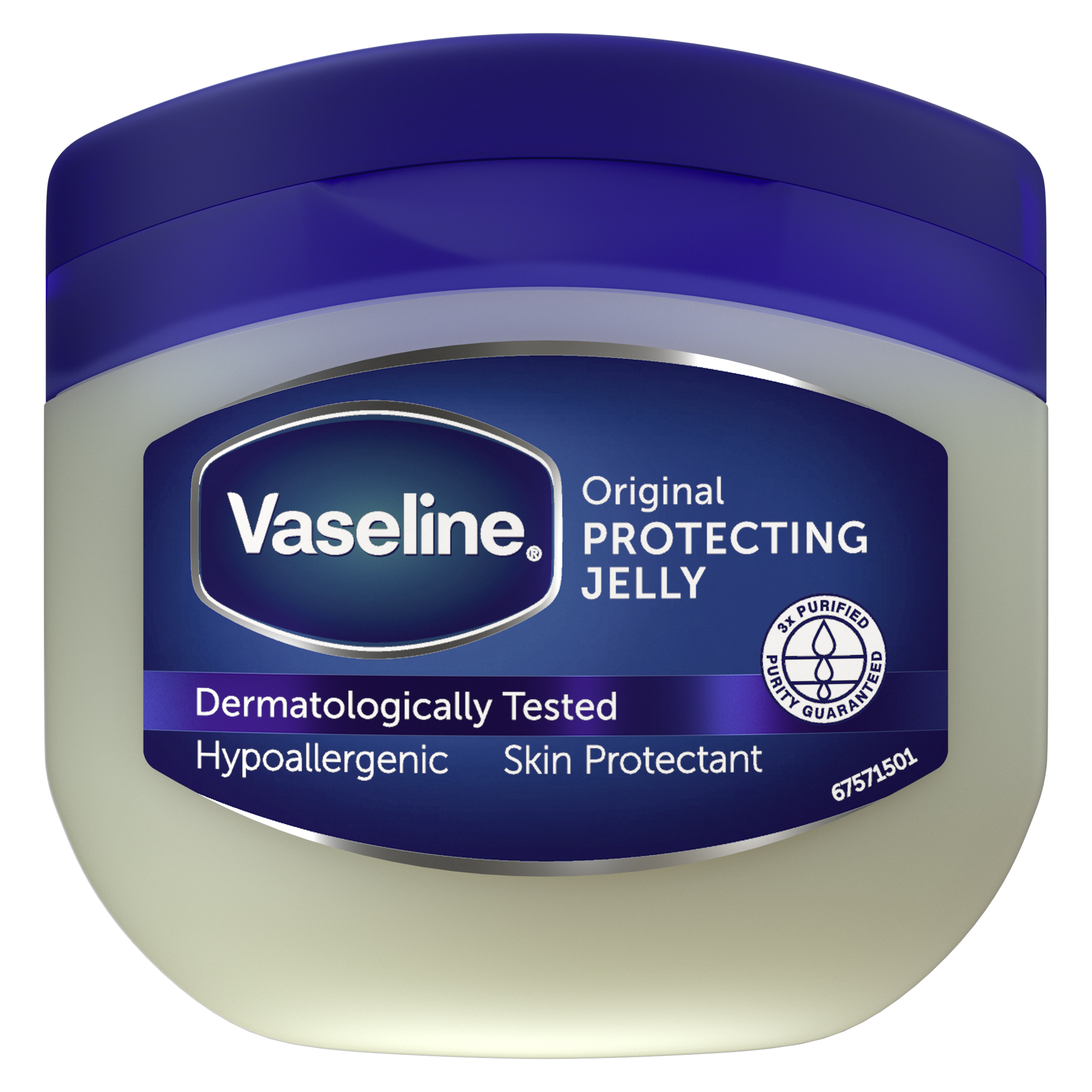
When considering products for your slugging routine, the primary requirement is an effective occlusive — a skincare product that forms a protective layer on top of the skin to prevent moisture loss. Petroleum jelly, such as our Vaseline® Original Healing Jelly, is a highly effective choice for slugging. It is a classic for good reason: it's widely available, budget-friendly, and remarkably efficient at preventing up to 98% of transepidermal water loss from the skin, making it an excellent option for supporting skin hydration.
Other occlusive ingredients you might encounter include:
- Lanolin
- Beeswax
- Olive oil
- Avocado oil
It's important to remember that not all products work the same for everyone. What suits one person's skin might not be ideal for another's. Always perform a patch test when introducing new products, especially if you have sensitive or acne-prone skin, to ensure compatibility.
Potential Concerns and Important Precautions for Slugging
While slugging offers many benefits, it's wise to be aware of potential concerns and take necessary precautions:
- Pore-Clogging: A common concern is whether slugging can cause acne by clogging pores. To minimize this risk, ensure your skin is thoroughly cleansed before applying the occlusive layer.
- Product Selection: Opt for non-comedogenic products to reduce the likelihood of breakouts. Look for labels that explicitly state suitability for acne-prone skin. Vaseline® Original Healing Jelly is non-comedogenic, making it a suitable option for slugging with acne.
- Sensitive Skin Considerations: If you have sensitive skin, introduce slugging gradually into your routine. Monitor your skin's reaction closely and discontinue use if any irritation occurs.
Embrace Slugging for Healthier-Looking Skin
So, is slugging beneficial for acne-prone skin? When approached thoughtfully and with proper precautions, it can be a valuable technique. It's a simple yet effective method that has become a staple in many skincare routines, particularly for those seeking enhanced hydration and barrier support. While slugging itself is not expected to cause acne, improper application or product choice could potentially lead to minor breakouts for individuals with very sensitive or oily skin. Thorough cleansing and careful product placement are key to preventing such issues. Consider incorporating slugging into your routine cautiously, and observe how your skin responds to this hydrating practice.
Read next: 8 Game-Changing Hacks You Didn’t Know You Could Do with Vaseline
Frequently Asked Questions About Slugging and Acne
Vaseline® Healing Jelly Original is non-comedogenic, meaning it is formulated not to clog pores. When used correctly on thoroughly cleansed skin, slugging with Vaseline is generally not expected to cause acne. However, individuals with very oily or sensitive skin should introduce it gradually and monitor their skin's response.
Slugging creates an occlusive barrier that helps prevent transepidermal water loss, keeping the skin hydrated. This can be beneficial for acne-prone skin as dryness can sometimes trigger increased oil production, potentially leading to breakouts. It also helps seal in active acne treatments, enhancing their efficacy while buffering their drying effects.
Yes, slugging can be adapted for sensitive or combination skin. If you have combination skin with both oily and dry areas, consider applying Vaseline petroleum jelly only to the drier parts of your face. For sensitive skin, always perform a patch test first and introduce slugging gradually into your routine to observe how your skin reacts.
The ideal frequency for slugging can vary based on your skin type and concerns. For acne-prone skin, starting 2-3 times a week in the evening is often recommended. You can adjust the frequency as your skin becomes accustomed to the practice, ensuring it remains clear and comfortable.
When slugging, it's important to avoid applying strong exfoliating acids (like AHAs/BHAs) or retinoids directly underneath the occlusive layer, as this can intensify their penetration and potentially lead to irritation. Always ensure all products applied before slugging are non-comedogenic to minimize the risk of pore clogging.
These articles provide general tips and information about improving skin health. They have been written by health and beauty writers. They have not been written by health care professionals and, as such, don’t constitute medical advice. If you have a serious skin condition, please consult a medical professional.