Skip to content

If you're navigating the complexities of skin sensitivity, you're not alone. Many find themselves confused by the terms 'sensitive skin' and 'sensitized skin,' often leading to frustration when products don't deliver the desired results. Understanding the distinctions is the first step toward a more effective skincare routine.
The journey to healthy, radiant, and well-hydrated skin can be both challenging and incredibly rewarding, especially for those with delicate skin. Discovering products that harmonize with your unique skin type and texture, rather than working against it, is key to fostering confidence and comfort in your skin.
However, this journey can sometimes be interrupted by unexpected reactions to new products, resulting in redness, dryness, or itchy patches. While you might attribute this to simply having a sensitive skin type, it's possible your skin has become temporarily sensitized due to various external factors.
Skincare Solutions for Sensitive Skin
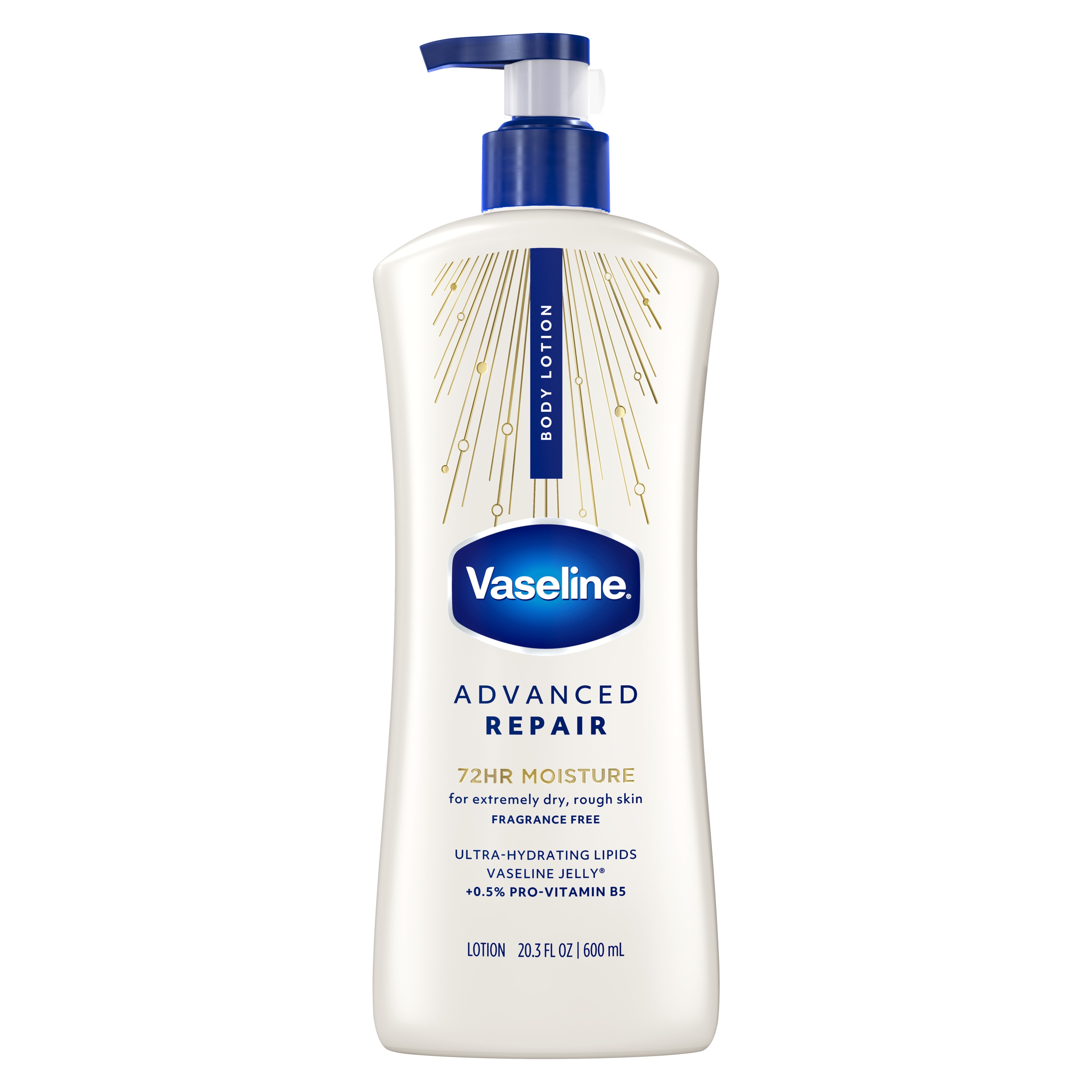
Caring for sensitive skin requires gentle products formulated specifically for delicate conditions. Consider options like Vaseline® Intensive Care™ Sensitive Skin Relief, a fragrance-free body lotion designed for very dry and sensitive skin. This unscented lotion provides effective hydration and soothing moisture, promoting well-nourished, comfortable skin, whether you're managing sensitive or temporarily sensitized skin.
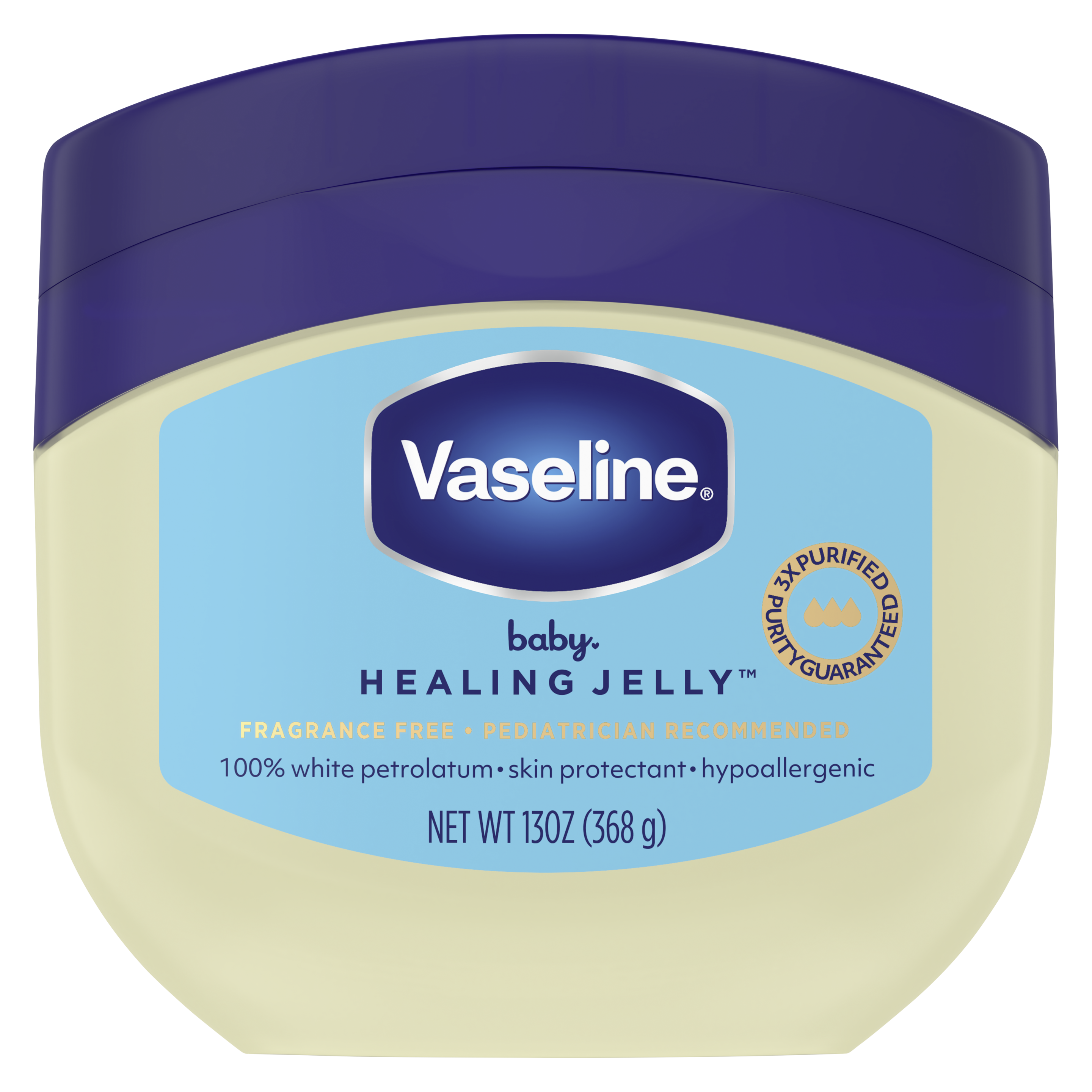
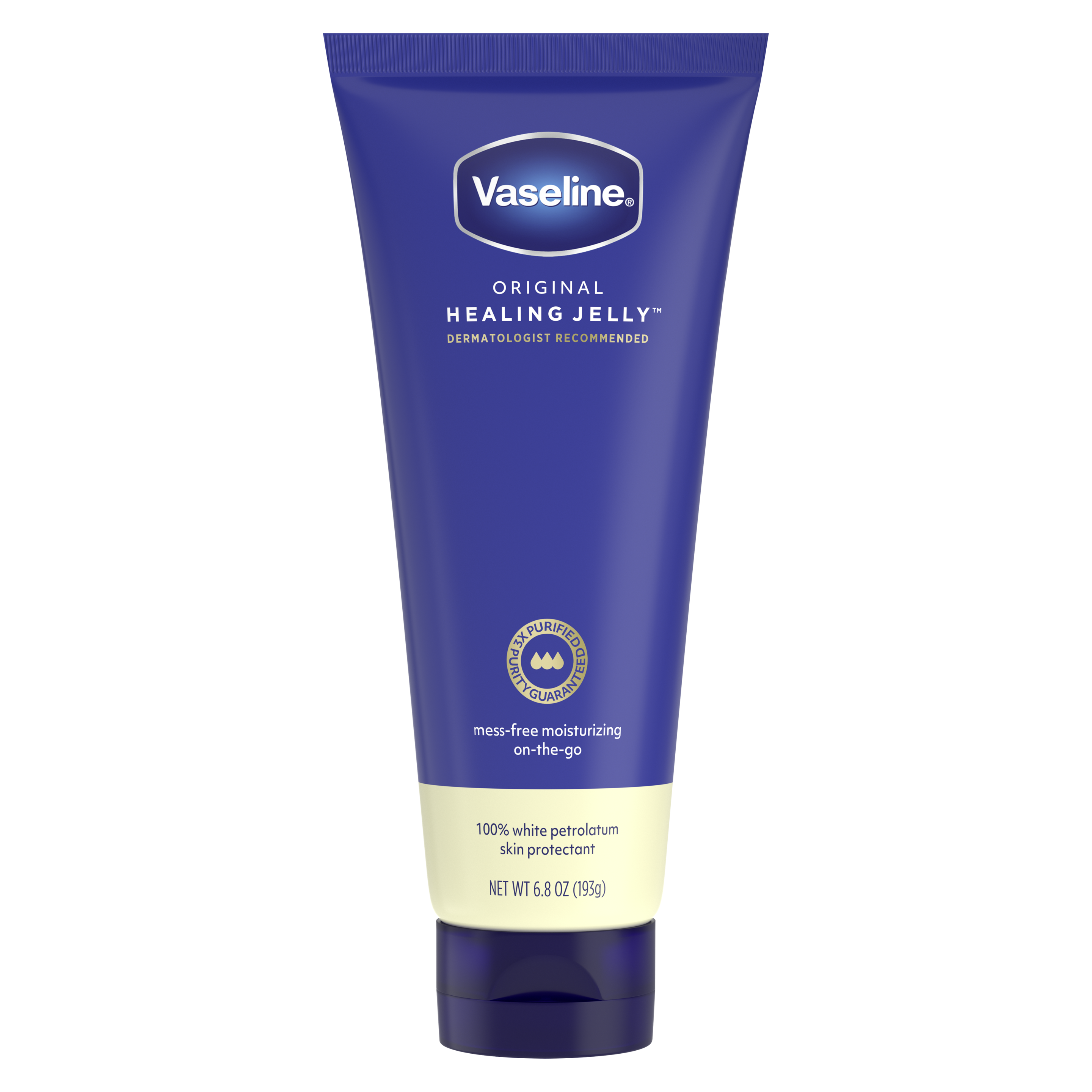
For soothing relief and moisture retention, a product such as Vaseline® Healing Jelly Original can help lock in hydration and provide comfort for sensitive, itchy skin.
Expert Advice
The advice in this article does not constitute medical advice, it is solely available for information purposes.
Key Takeaways for Sensitive and Sensitized Skin
- Sensitive skin is a genetic predisposition, while sensitized skin is a temporary condition caused by external factors.
- Identifying the root cause of your skin's reactivity is crucial for effective care and management.
- Both conditions benefit significantly from a gentle skincare routine focused on barrier repair and deep hydration.
- Avoid harsh ingredients like strong exfoliants, alcohol, and fragrances to prevent further irritation and maintain skin comfort.
- Look for soothing and restorative ingredients such as aloe vera, chamomile, hyaluronic acid, and Vaseline® Jelly.
- Products like Vaseline® Intensive Care™ Sensitive Skin Relief and Vaseline® Healing Jelly Original are formulated to support and comfort sensitive and sensitized skin.
How to Effectively Care for Sensitive and Sensitized Skin
Sensitive Skin vs. Sensitized Skin: A Quick Comparison
|
Characteristic |
Sensitive Skin |
Sensitized Skin |
|---|---|---|
|
Origin |
Genetically predisposed |
Temporarily acquired |
|
Nature |
Permanent skin type |
Temporary skin condition |
|
Causes |
Inherent biological factors |
External factors (stress, environment, harsh products) |
|
Skin Barrier |
Often naturally weaker or thinner |
Compromised due to external damage |
|
Common Symptoms |
Chronic itching, burning, stinging, tightness, dryness |
Acute reactivity, redness, dryness, itching in response to triggers |
|
Management Focus |
Consistent, gentle, and protective care |
Healing the barrier, identifying and removing triggers |
Embrace Your Skin's Journey with Confidence
Understanding the distinction between sensitive and sensitized skin is a powerful step towards achieving lasting skin health and comfort. By identifying your unique skin needs and adopting a thoughtful, gentle skincare approach, you can effectively manage irritation and build a resilient skin barrier. Embrace a routine that nurtures your skin, allowing you to feel confident and empowered every day.
Frequently Asked Questions About Sensitive Skin
Sensitive skin is typically a genetic predisposition, meaning you are born with skin that is more prone to irritation. Sensitized skin, however, is a temporary condition caused by external factors like harsh products, environmental stressors, or lifestyle choices, leading to increased reactivity.
Observing patterns can help. If your skin has always reacted easily to various products and conditions, it's likely sensitive. If your skin recently became reactive after using new products, experiencing stress, or environmental changes, it's more likely sensitized. Analyzing your routine and lifestyle can provide clues to better understand your skin's current state.
It's generally advisable to avoid harsh ingredients such as strong exfoliants, alcohol, synthetic fragrances, and certain chemical dyes. These can further irritate sensitive skin or compromise an already weakened skin barrier in sensitized skin, leading to discomfort and reactivity.
Yes, many Vaseline® products, such as Vaseline® Intensive Care™ Sensitive Skin Relief Lotion and Vaseline® Healing Jelly Original, are formulated to be gentle and are suitable for sensitive and sensitized skin. They help to soothe, protect, and restore the skin's moisture barrier, promoting comfort and health.
The healing time for sensitized skin varies depending on the severity of the damage and consistency of care. With a gentle, barrier-repairing routine and diligent avoidance of triggers, sensitized skin can often show significant improvement within a few weeks to a couple of months.
Beyond skincare products, certain lifestyle adjustments can be highly beneficial. Managing stress effectively, maintaining a balanced and nutritious diet, staying well-hydrated, and protecting your skin from extreme weather conditions can all contribute to improving the resilience and overall comfort of sensitive or sensitized skin.
Discover More: Related Articles on Skin Health




Explore Vaseline® Products for Sensitive Skin

- slide 1
- slide 2
- slide 3
- slide 4
- slide 5