Skip to content

Discovering the Right Face Mask for Your Skin
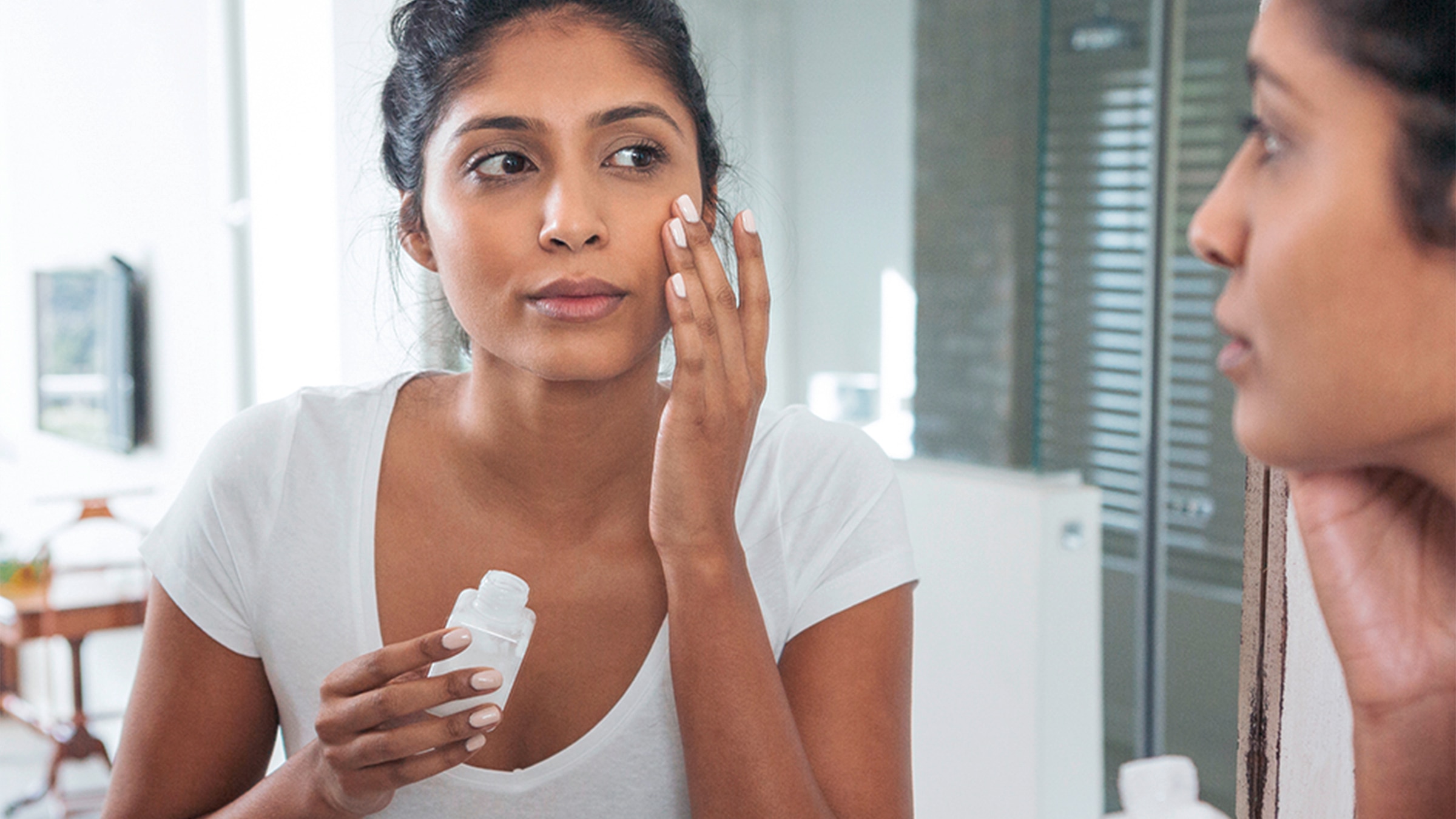
Face masks are a versatile addition to any skincare routine, offering targeted solutions for various complexion concerns. These quick-penetrating treatments come in diverse formats and formulations, designed to help your skin look and feel its best. They are particularly beneficial when your skin needs an extra boost of hydration or feels congested.
The effectiveness of a face mask often depends on the specific skin issue you aim to address. Whether you choose a product-soaked sheet, a peel-off mask, or a blend of skin-loving ingredients and clays, each type offers unique benefits to help balance and enhance your complexion. Understanding the different options available can empower you to make informed choices for your skin's needs.
Key Takeaways for Face Mask Use
- Targeted Solutions: Face masks offer specific benefits for various skin concerns, from dryness to congestion.
- Diverse Formats: Explore sheet, clay, and cream masks to find what best suits your skin's needs.
- Hydration Boost: Many masks are designed to deeply hydrate, leaving skin feeling supple and refreshed.
- Impurity Removal: Certain masks can help draw out impurities, promoting a clearer complexion.
- Vaseline® Jelly's Role: Incorporate Vaseline® Jelly to lock in moisture and support skin barrier health.
- Consult a Professional: Always consider consulting a dermatologist before making significant changes to your skincare routine.
Addressing Blackheads with Face Masks
Blackheads, a common symptom of acne, occur when hair follicles become clogged and the trapped material darkens upon exposure to oxygen. When selecting a face mask for blackheads, it's generally advisable to avoid peel-off versions, as their removal can potentially cause irritation or damage to the skin. Instead, consider masks designed to gently cleanse and clarify pores.
While sheet masks can help replenish lost skin moisture, for enhanced hydration and to support the skin's natural barrier, many find value in using a non-comedogenic occlusive like Vaseline® Jelly. It can help create a protective seal, locking in moisture and supporting the skin's recovery process.
How to Incorporate Face Masks into Your Skincare Routine

Managing Acne with Specific Face Masks
Acne often arises when the skin's oil glands become inflamed or infected, with P. acnes bacteria being a key contributor to skin inflammation. To help address these concerns, consider applying a bentonite- or sulfur-based clay mask. Many users find these masks effective in gently drawing out impurities that might exacerbate acne, promoting a clearer-looking complexion.
It's important to note that peel-off masks can sometimes strip the skin of essential moisture, potentially worsening acne conditions or causing damage. For those seeking effective face masks for acne, sheet masks infused with acne-fighting ingredients are also suggested as a gentle way to care for your skin and help prevent future breakouts.
Hydrating Dry Skin with Face Masks
Dry skin is often a sign of dehydration, leading to a tight and uncomfortable feeling, especially after cleansing. When dealing with particularly dry skin, cream masks formulated with deeply moisturizing and nourishing ingredients are highly recommended. Look for components like hyaluronic acid, coconut oil, avocado, and vitamin E, which are known to either attract and bind water to the skin or help seal in hydration effectively.
It's best to avoid using peel-off face masks on dry skin, as the removal process can strip the skin of moisture and potentially cause irritation or damage. Opt for gentle, hydrating masks that support your skin's natural moisture barrier.
Proactive Skincare: Focusing on Prevention and Gentle Care
Some lotions and moisturizers can inadvertently aggravate dry or sensitive skin. Consider switching to products specifically formulated for these skin types. Hypoallergenic products, such as Vaseline® Jelly Original, are often ideal as they are designed to minimize the possibility of irritation or allergic reactions.
We often recommend applying Vaseline® Jelly to delicate areas like eyelids because many regular moisturizers and creams may not be suitable for the sensitive eye area. The skin around the eyes is particularly susceptible to irritants, making a pure, hypoallergenic product a preferred choice. The original 'Wonder Jelly' undergoes a triple-purification process, ensuring that the Vaseline® Jelly in your blue jar is made from 100 percent pure petroleum jelly, making it safe for use on your face.
Applying Vaseline® Jelly under eyes is a time-tested method to lock in moisture, helping to keep the skin in this area soft, elastic, and revitalized. Even with busy schedules, maintaining a consistent cleansing and moisturizing routine is crucial. Don't wait for discomfort to arise; instead, integrate Vaseline® Jelly into your nightly ritual for your eyes and other sensitive facial areas. A thoughtful bedtime beauty regimen, including Vaseline® Jelly, can significantly improve the look and feel of dry skin.
1. Commissioner, Office of the. “Consumer Updates - Facing Facts About Acne.” U S Food and Drug Administration Home Page, Office of the Commissioner, www.fda.gov/consumers/consumer-updates/ucm174521.htm.
2. “Fast Facts About Acne.” National Institute of Arthritis and Musculoskeletal and Skin Diseases, U.S. Department of Health and Human Services, www.niams.nih.gov/health_info/Acne/acne_ff.asp.
3. “The Complete List of the Best Acne Masks for All Skin Types.” Into The Gloss, 18 May 2016, intothegloss.com/2014/12/best-acne-mask/.
4. Lukas, Erin. “8 Moisturizing Face Masks That Will Soothe Dry Skin.” InStyle.com, InStyle.com, 4Nov. 2016, www.instyle.com/beauty/skin/face-masks-for-dry-skin.
5. Farrell, Shannon. “6 Things You Need to Know Before Trying Face Sheet Masks.” Women's Health, Rodale, 22 Sept. 2014, www.womenshealthmag.com/beauty/face-sheet-masks.
Expert Advice
The advice in this article does not constitute medical advice, it is solely available for information purposes.
Embrace a Radiant Complexion with Thoughtful Masking
Integrating face masks into your skincare regimen can be a transformative step towards achieving a healthier, more balanced complexion. By understanding the unique benefits of different mask types and how they address specific concerns like blackheads, acne, and dryness, you can tailor your routine for optimal results. Remember, consistent care and the right products, like the gentle and protective Vaseline® Jelly, are key to nurturing your skin. Empower your skin with the care it deserves, fostering confidence and well-being every day.
Frequently Asked Questions About Face Masks
Face masks offer various benefits, including deep hydration, impurity extraction, soothing irritation, and delivering concentrated active ingredients to address specific skin concerns like dryness, acne, or dullness. They can provide an intensive boost to your regular skincare routine.
The ideal frequency for using a face mask depends on your skin type, the mask's formulation, and your specific skin concerns. Generally, most face masks are recommended for use 1-3 times per week. Always refer to the product's instructions for the best guidance.
Yes, Vaseline® Jelly can be incorporated into your face mask routine, especially for its occlusive properties. It's excellent for locking in moisture and supporting the skin's natural barrier. For very dry skin, applying a thin layer after your hydrating mask or as an overnight treatment can help seal in moisture effectively.
Peel-off masks are not always suitable for all skin types. They can sometimes be too harsh for sensitive or dry skin, potentially stripping away natural oils and causing irritation. For those with blackheads, it's often recommended to avoid them as they can damage the skin. Gentle alternatives like clay or cream masks are often preferred.
For oily or acne-prone skin, clay masks (such as bentonite or sulfur-based) are often recommended. They are known for their ability to absorb excess oil, draw out impurities, and help clarify pores. Sheet masks containing acne-fighting ingredients can also be beneficial for preventing breakouts.
Yes, it's generally recommended to follow up with a moisturizer after using most face masks. This helps to seal in the benefits of the mask and provide an additional layer of hydration and protection to your skin. For extra dry skin, a non-comedogenic occlusive like Vaseline® Jelly can be applied.