Skip to content

Considering laser tattoo removal? It's a significant decision, and understanding the aftercare process is crucial for optimal healing and results. This guide provides comprehensive insights into laser tattoo removal aftercare, helping you navigate your journey with confidence and ensure your skin recovers beautifully.
Understanding Laser Tattoo Removal: The Process and Healing Journey
Laser tattoo removal is a widely recognized method for safely and effectively fading or removing unwanted tattoos. This process is best performed by a trained dermatologist or a specialist in tattoo removal to ensure the best outcomes and minimize risks. The technology works by using concentrated laser energy to target and break down the pigment colors in your tattoo ink. Once fragmented, these tiny ink particles are naturally cleared away by your body's immune system.
This gradual process leads to the lightening of the tattoo over time, typically requiring multiple treatment sessions. Most individuals need between 7 to 10 treatments for significant or complete removal, depending on factors like ink color, tattoo size, and skin type.
Potential Outcomes and Considerations for Laser Tattoo Removal
While laser tattoo removal is generally safe, it's important to be aware of potential outcomes. There is a possibility of permanent scarring, though this risk is often lower than with surgical removal methods. Additionally, as with any skin procedure, there's a risk of infection, which can be minimized with proper aftercare.
Key factors to consider include:
- Skin Type and Tattoo Characteristics: Your skin tone and the depth of the tattoo pigment can influence the removal technique and the number of sessions required.
- Incomplete Removal: Some tattoo colors, particularly lighter shades, can be more challenging to remove completely. Black ink typically responds best to laser treatment.
- Pigmentation Changes: You might experience hypopigmentation, where the treated skin appears lighter than the surrounding area.
- Health Considerations: The procedure is not recommended during pregnancy. Individuals with certain skin conditions, such as eczema, may need a thorough assessment to determine suitability.
Immediate Skin Appearance After Laser Tattoo Removal
Immediately following a laser tattoo removal session, it's common for the treated area to appear red, tender, and slightly swollen. Applying a cold compress can help soothe these initial reactions. It's crucial to monitor your skin closely during the healing process. If you notice worsening redness, increased pain, or signs of infection, such as pus or excessive warmth, contact your healthcare provider immediately. They can provide guidance on proper care for skin after laser tattoo removal and address any concerns.

Key Takeaways for Laser Tattoo Removal Aftercare
- Prioritize Professional Care: Always choose a qualified dermatologist for laser tattoo removal to ensure safety and effectiveness.
- Understand the Healing Process: Expect redness, tenderness, and swelling initially, and know when to seek medical advice for signs of infection.
- Follow Aftercare Instructions Diligently: Adhere strictly to your practitioner's guidance for bandaging, cleaning, and moisturizing to promote healthy skin recovery.
- Moisturize with Vaseline® Jelly: Applying a thin layer of Vaseline® Jelly helps keep the treated area moist, supporting the skin's natural healing barrier.
- Protect from Sun Exposure: Shield the treated skin from the sun with clothing and SPF for several months to prevent complications and aid healing.
- Avoid Submerging the Area: Refrain from swimming, hot tubs, and prolonged soaking until the tattoo removal site is fully healed to prevent infection.
Step-by-Step Guide to Laser Tattoo Removal Aftercare
Maintaining skin moisture is a cornerstone of effective tattoo removal aftercare. As Dermatologist Dr. Shari Marchbein highlights, "Occlusives are products that create a barrier on the skin and therefore prevent water loss by sealing in hydration." Products like Vaseline® Jelly act as occlusives, forming a protective barrier that locks in moisture. This crucial step supports the skin's natural healing process, helping to keep the treated area supple and protected during recovery.
Explore further: Discover more about maintaining healthy skin with our article on Solving the Mystery of Dry Skin: Causes, Symptoms, and Treatment.
These articles provide general tips and information about improving skin health. They have been written by health and beauty writers. They have not been written by health care professionals and, as such, don’t constitute medical advice. If you have a serious skin condition, please consult a medical professional.
Embrace Your Healing Journey with Confidence
Navigating laser tattoo removal requires patience and diligent aftercare. By understanding the process, following your specialist's instructions, and providing your skin with the right support—like the protective moisture barrier of Vaseline® Jelly—you can promote optimal healing and achieve the best possible results. Remember, healthy skin is a journey, and proper aftercare is a vital step towards renewed confidence.
Frequently Asked Questions About Laser Tattoo Removal Aftercare
The initial healing phase, where redness and swelling subside, typically takes 1-2 weeks. However, complete skin recovery and the full fading of the tattoo can take several months, as your body gradually clears the ink particles. Each session requires a healing period, and the overall process depends on individual factors and the number of treatments.
Yes, you can generally shower 24 hours after your laser tattoo removal session. It's important to use lukewarm water and avoid direct, high-pressure spray on the treated area. Gently cleanse the area with a mild, unscented soap, and pat it dry. Avoid scrubbing or soaking the area, and refrain from taking baths, swimming, or using hot tubs until your skin is fully healed to prevent infection.
It's crucial to monitor the treated area for signs of infection. These can include increased redness, persistent swelling, warmth around the site, severe pain, pus discharge, or fever. If you experience any of these symptoms, contact your dermatologist or healthcare provider immediately for guidance and treatment.
Yes, blistering and scabbing are common and normal parts of the healing process after laser tattoo removal. Blisters may appear within hours of treatment and can last for several days. Scabs will form as the skin heals. It's vital not to pick or pop blisters or scabs, as this can lead to scarring and increase the risk of infection. Allow them to heal naturally.
Vaseline® Jelly acts as an occlusive, creating a protective barrier on the skin that helps to seal in moisture. Applying a thin layer to the clean, treated area can help keep the skin hydrated, support its natural healing process, and protect it from external irritants. This moist environment is beneficial for skin recovery and can help minimize dryness and discomfort.
It's generally recommended to avoid strenuous exercise for 24-48 hours after a session to prevent excessive sweating and friction on the treated area. For swimming, hot tubs, and baths, you should wait until the treated skin is completely healed and closed, which can take several weeks, to minimize the risk of infection. Always follow your practitioner's specific advice.
Explore More: Related Articles on Skin Care




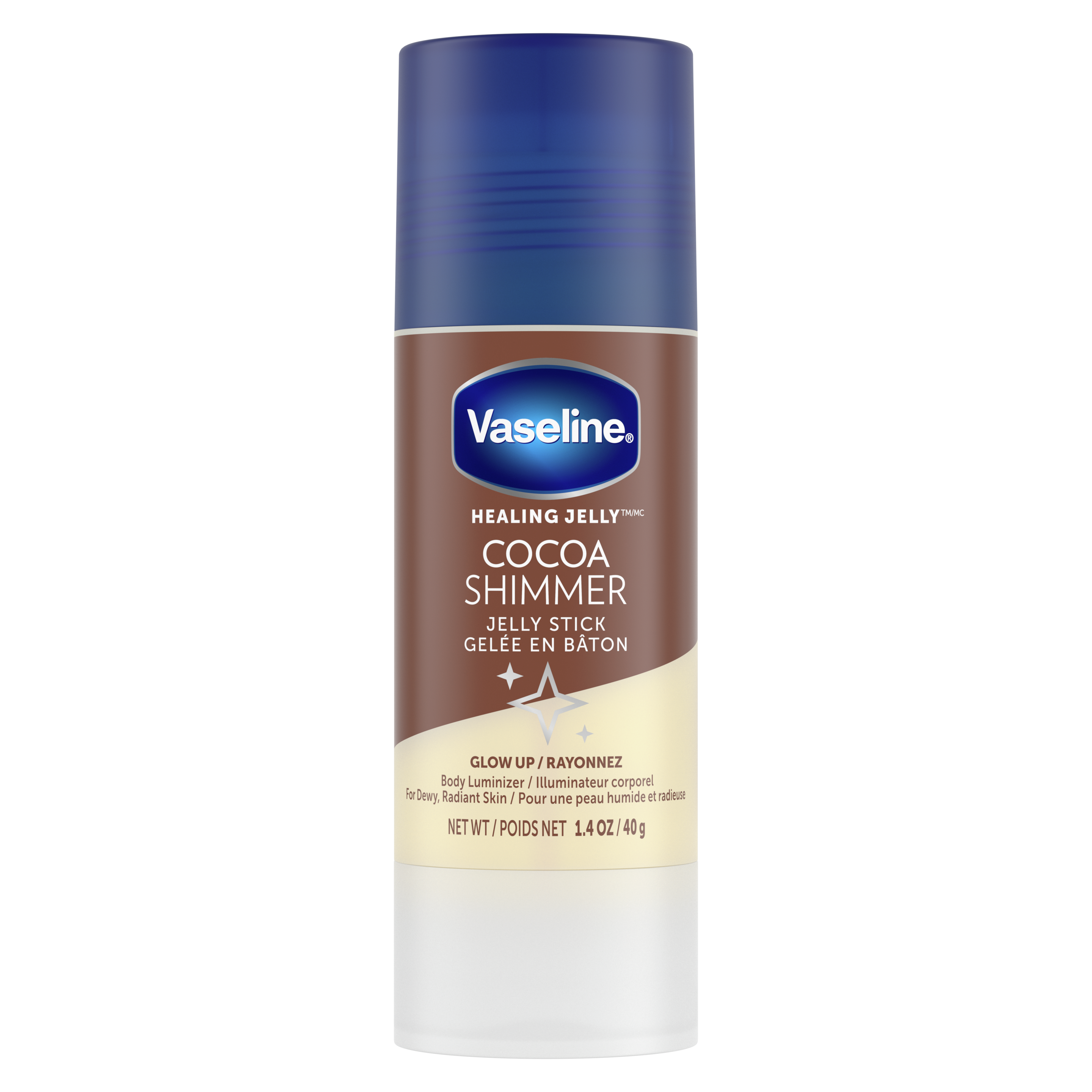
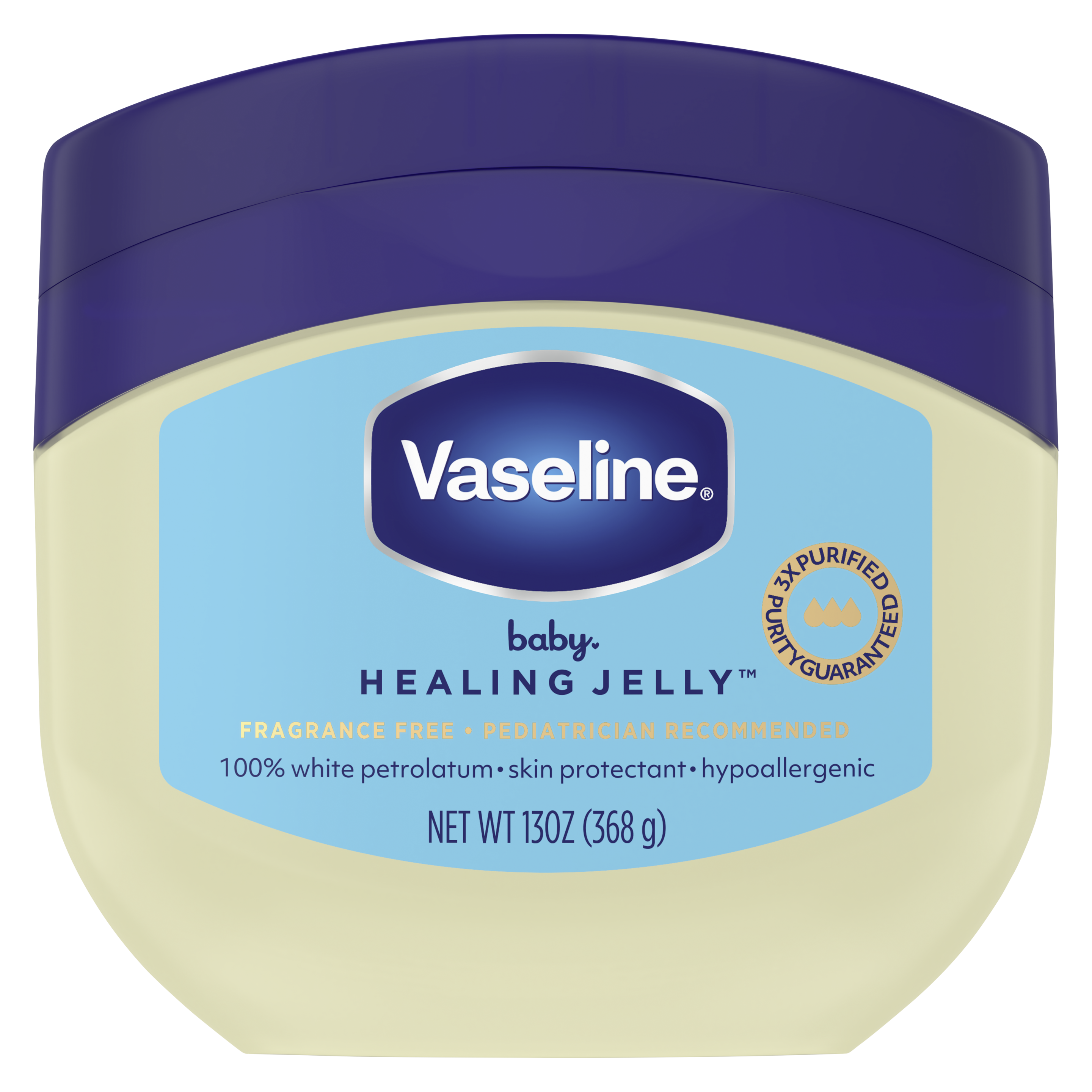
Discover Vaseline® Products for Skin Care


- slide 1
- slide 2
- slide 3
- slide 4
- slide 5