Skip to content

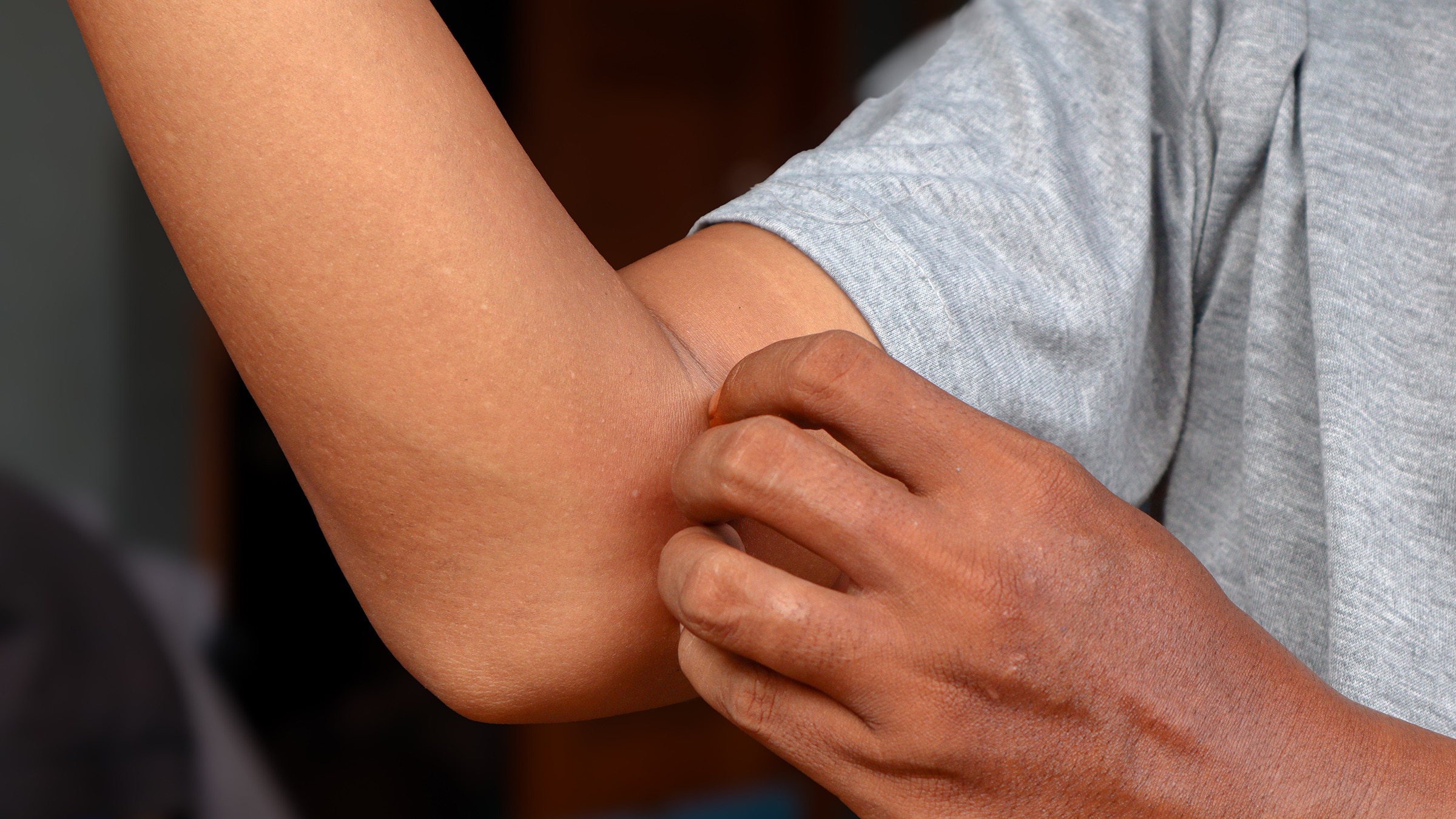
Many people experience dry skin, which can range from mildly annoying to significantly uncomfortable. Understanding the underlying causes, common symptoms, and effective treatments for dry skin is key to achieving healthier skin. Dry skin often signals dehydration and a lack of natural oils in the skin's outer layer, leading to issues like itching, scaling, and redness. While natural factors like a compromised skin barrier or reduced cell renewal contribute to dryness, external elements such as environmental conditions and harsh skincare products can also play a role. This guide explores what causes dry skin, its symptoms, and how to prevent it with expert insights from dermatologists Dr. Mona Gohara and Dr. Shari Marchbein.
Key Takeaways for Healthy Skin:
- Understanding Dry Skin: Dry skin occurs when the outer layer lacks moisture and natural oils, leading to itching, scaling, and redness. It commonly affects hands, arms, legs, and face, often worsening in dry or cold conditions.
- Common Causes: Factors like an impaired skin barrier, harsh soaps, low humidity, aging (especially post-menopause for women), and skin conditions such as eczema or atopic dermatitis can trigger dryness.
- Effective Treatment: Regularly apply moisturizers containing humectants (glycerin, hyaluronic acid), occlusives (petroleum jelly), and emollients (shea butter). Apply several times daily, ideally within 5 minutes after bathing on damp skin.
- Smart Shower Habits: Limit showers to 5-8 minutes using warm, not hot, water. Opt for fragrance-free, gentle cleansers to protect your skin's natural lipids and barrier.
- Prevention Strategies: Stay hydrated by drinking plenty of water, use humidifiers in dry environments, choose hypoallergenic detergents, wear protective gloves for housework, and apply sunscreen with at least SPF 30 daily.
Understanding Why Your Skin Feels Dry
As Dr. Shari Marchbein explains, “dry skin results from an impaired skin barrier and a deficiency in the healthy fats (like cholesterol, fatty acids, and ceramides) crucial for normal skin function.” This can stem from various factors, including frequent bathing, using harsh soaps, excessive exfoliation, or certain medical conditions. It's also a natural part of the aging process. Dryness often intensifies in winter due to cold, low-humidity air, both indoors and out. Low humidity can directly impact skin moisture levels, making skin feel dry.
Fortunately, many effective strategies exist to relieve and prevent dry skin at home, such as consistent moisturizing with body lotions and creams, opting for gentle cleansers, and year-round sun protection. While dry skin is typically harmless, it can lead to discomfort if left untreated. Conditions like eczema can also manifest as dry skin and may require more than just moisturizers. If you experience persistent or severe dry skin, consulting your doctor or a dermatologist is recommended for a professional assessment and tailored advice.
Top 10 Common Causes of Dry Skin
Understanding the various factors that contribute to dry skin can help you manage and prevent it effectively. Here are ten common causes:
- Heat: Indoor heating systems, such as central heating, space heaters, and fireplaces, significantly reduce air humidity. Since your skin's moisture levels often mirror its surroundings, this dry air can lead to increased skin dryness.
- Environment: Living in climates with low humidity or experiencing cold, windy weather can strip moisture from your skin. Dry skin often worsens in winter but can be a year-round concern depending on your environment.
- Harsh Soaps and Detergents: Using strong soaps can compromise your skin's natural barrier, leading to dryness, flakiness, and itching, as noted by Dr. Mona Gohara. Certain laundry detergents can also irritate sensitive skin. Opt for hypoallergenic detergents and moisturizing, non-soap cleansers that help replenish skin moisture.
- Atopic Dermatitis & Other Skin Conditions: Atopic dermatitis, characterized by itchy and flaky skin, often causes dryness when triggered by allergens like dust, pet dander, or ingredients in soaps. Other skin conditions that can lead to dryness include perioral dermatitis, ichthyosis, psoriasis, and seborrheic dermatitis.
- Medical Treatments: Some medical treatments, such as dialysis, cancer therapies, or specific medications, can contribute to extremely dry skin.
- Hormones: Hormonal fluctuations significantly impact skin health. Women, particularly around menopause, may experience increased skin dryness due to declining estrogen levels, which also affects collagen production and skin elasticity.
- Aging: As you age, your skin's oil glands naturally become less effective at moisturizing, making skin more susceptible to itchiness and dryness. This often begins for women after menopause and for men typically in their eighties.
- Water Loss from the Outer Skin Layer: Transeansepidermal water loss (TEWL) is the natural process of water evaporating from the deeper layers of your skin. While hydration usually offsets this, factors like eczema, burns, over-cleansing, or sun exposure can accelerate TEWL, leading to significant skin dryness.
- Cosmeceuticals and Skincare Ingredients: Certain skincare ingredients, including retinoids, salicylic acid, fragrances, and preservatives, can dry out and irritate your skin. Always review ingredient lists to ensure products are suitable for your skin type.
- Genetics: Genetic predisposition can also cause dry skin. Research in the Journal of Cell Science indicates that mutations in a gene that produces filaggrin, a protein vital for skin barrier formation and hydration, can lead to various dry skin conditions. If dry skin runs in your family, consistent daily moisturizing is especially important.
Recognizing the Symptoms of Dry Skin
Dry skin can manifest through various symptoms, influenced by individual health and age. Here are some of the most common indicators of dry skin:
- Flaky or Rough-Textured Skin: When skin loses moisture, its surface can become noticeably flaky and rough to the touch.
- Excessive Itchiness: Persistent and intense itching is a frequent complaint among those with very dry skin, often disrupting daily activities and sleep.
- Infections: A severely dry or damaged outer skin layer can create openings for germs, potentially leading to skin infections. Watch for warning signs like yellow crusts, pus, swelling, or discoloration.
- Skin Burns or Stings: Dry, cracked, or raw skin can be painful, especially when exposed to irritants like water.
- Visible Peeling Skin: While skin naturally sheds dead cells, significant dryness can make this process visible, resulting in noticeable peeling.
Dr. Mona Gohara advises, “Sometimes dry skin can signal underlying conditions like eczema, psoriasis, or a thyroid imbalance.” If you have concerns, “consult a Board-Certified Dermatologist for a professional assessment and guidance.” To locate a dermatologist specializing in diverse skin tones, consider using the See My Skin platform, a resource developed by Vaseline® and HUED.
Effective Treatments for Dry Skin Relief
Fortunately, many simple and effective treatments can provide relief for dry skin, including various moisturizers, emollients, and keratolytic agents. For comprehensive guidance, consider Dr. Gohara’s expert tips on managing dry skin.
Read next: From Flaky to Fabulous: A Customized Skin-Care Routine for Dry Skin
Practical Steps for Dry Skin Care
For more targeted advice, explore: Read next: Feet First: Here's How to Treat Dry Skin on Your Feet
Strategies to Prevent Dry Skin
Preventing dry skin conditions involves a few key practices. First, ensure adequate hydration by drinking enough water; while there's no strict rule, aiming for around 3 liters daily is a good starting point, especially in warmer climates. Second, be mindful of the cleansers and soaps you use. Many products contain ingredients that can irritate skin, so always check labels. Gentle cleansing, no more than twice a day, helps maintain your skin's protective barrier and prevents excessive moisture loss. For convenient, on-the-go dry skin relief, consider Vaseline® All-Over Body Balm Jelly Stick, a fragrance-free option that delivers the benefits of Vaseline® jelly to all areas of your body.

Many household products can surprisingly contribute to skin irritation. Laundry detergents, cleaning supplies, and air fresheners often contain ingredients that can exacerbate dry skin. Opt for gentle, fragrance-free alternatives whenever possible, and consider removing air fresheners if you suspect they are causing irritation. When performing household chores, protect your hands by wearing gloves, ideally non-latex rubber ones. Dust mites are another common irritant; regular vacuuming of floors and carpets, along with washing bedding at 130°F weekly, can help. Alcohol-based hand sanitizers can also lead to dry skin. If you experience extremely dry and flaky hands, look for dermatologist-tested options like Vaseline® Clinical Care Hand Sanitizer Lotion.
Embrace Healthy, Hydrated Skin
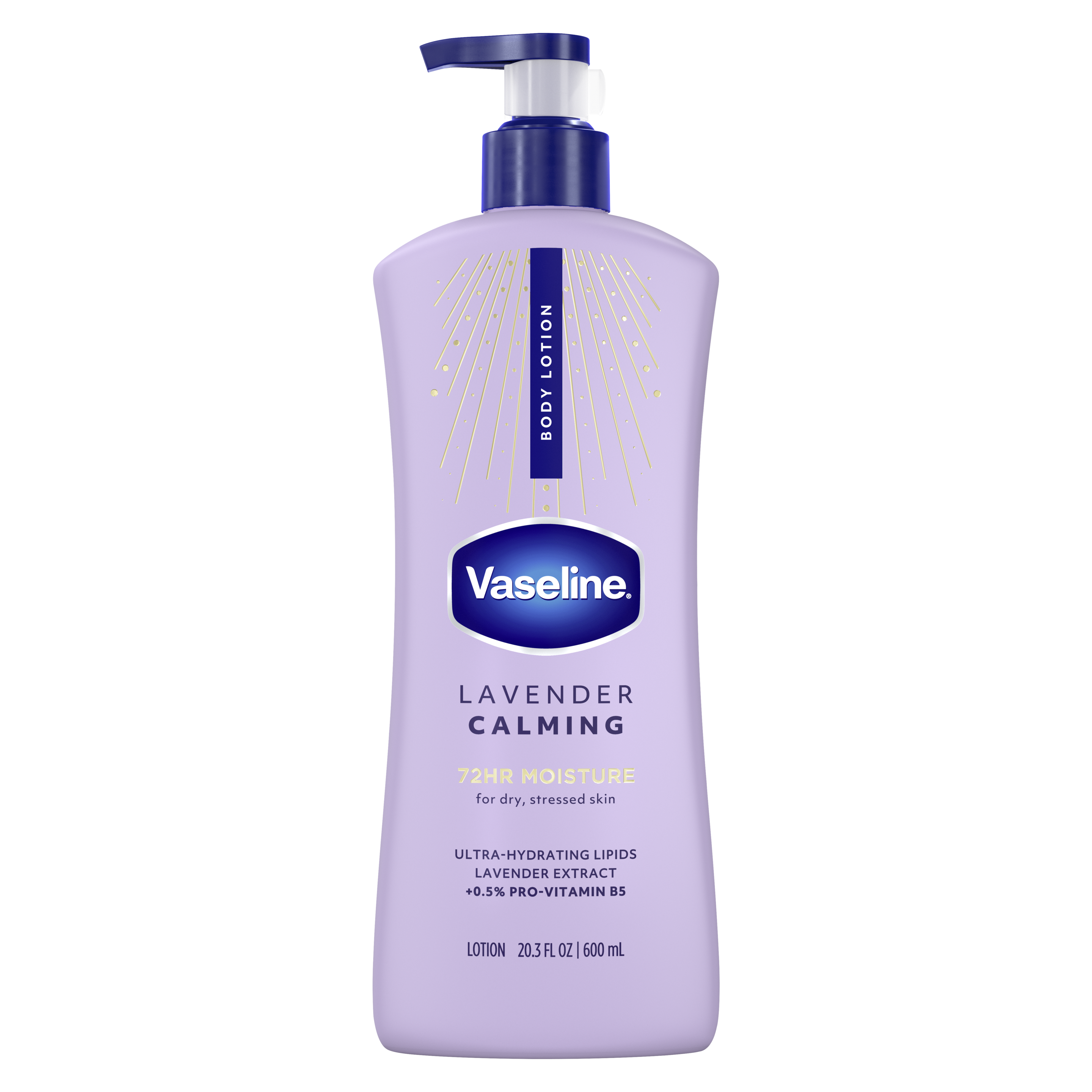
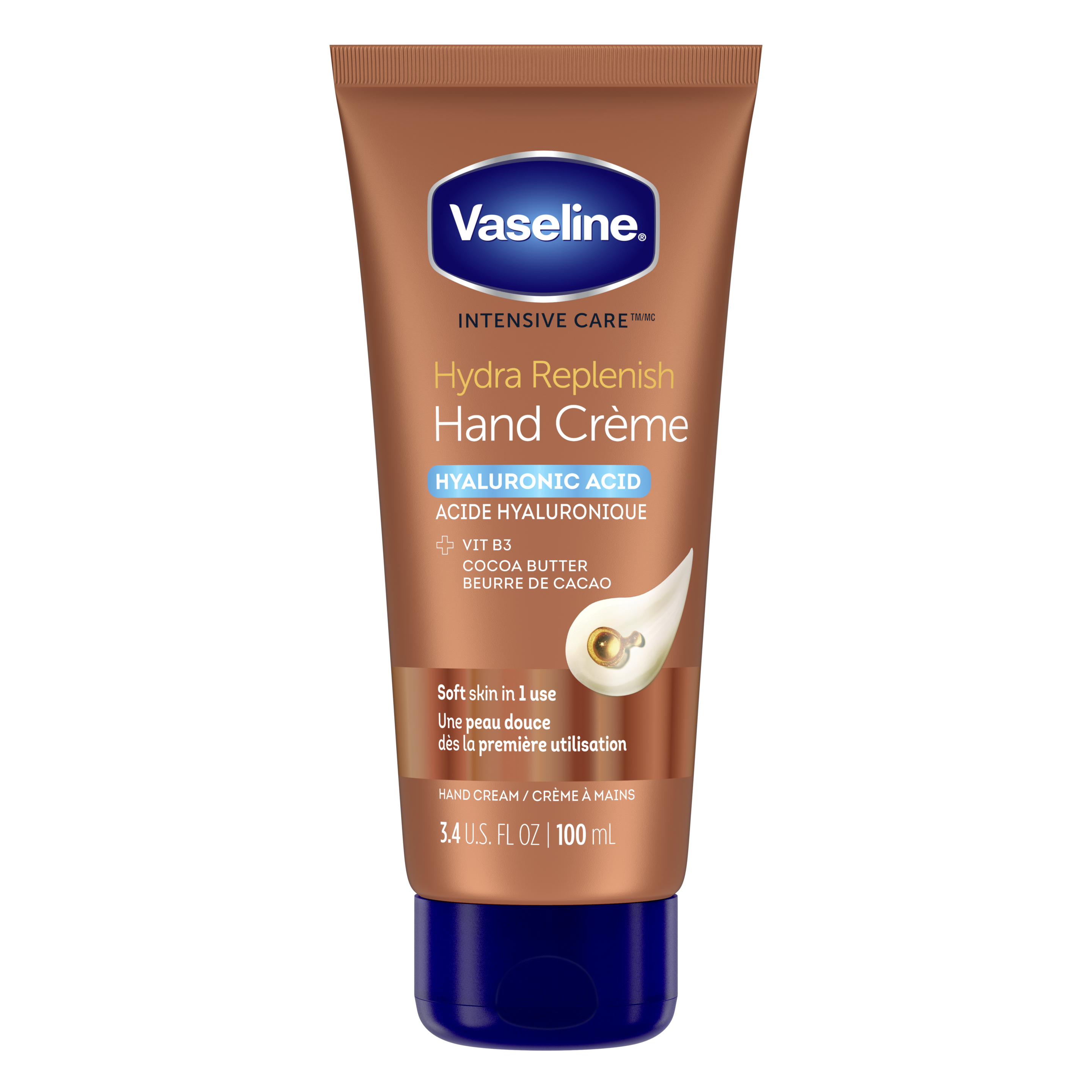
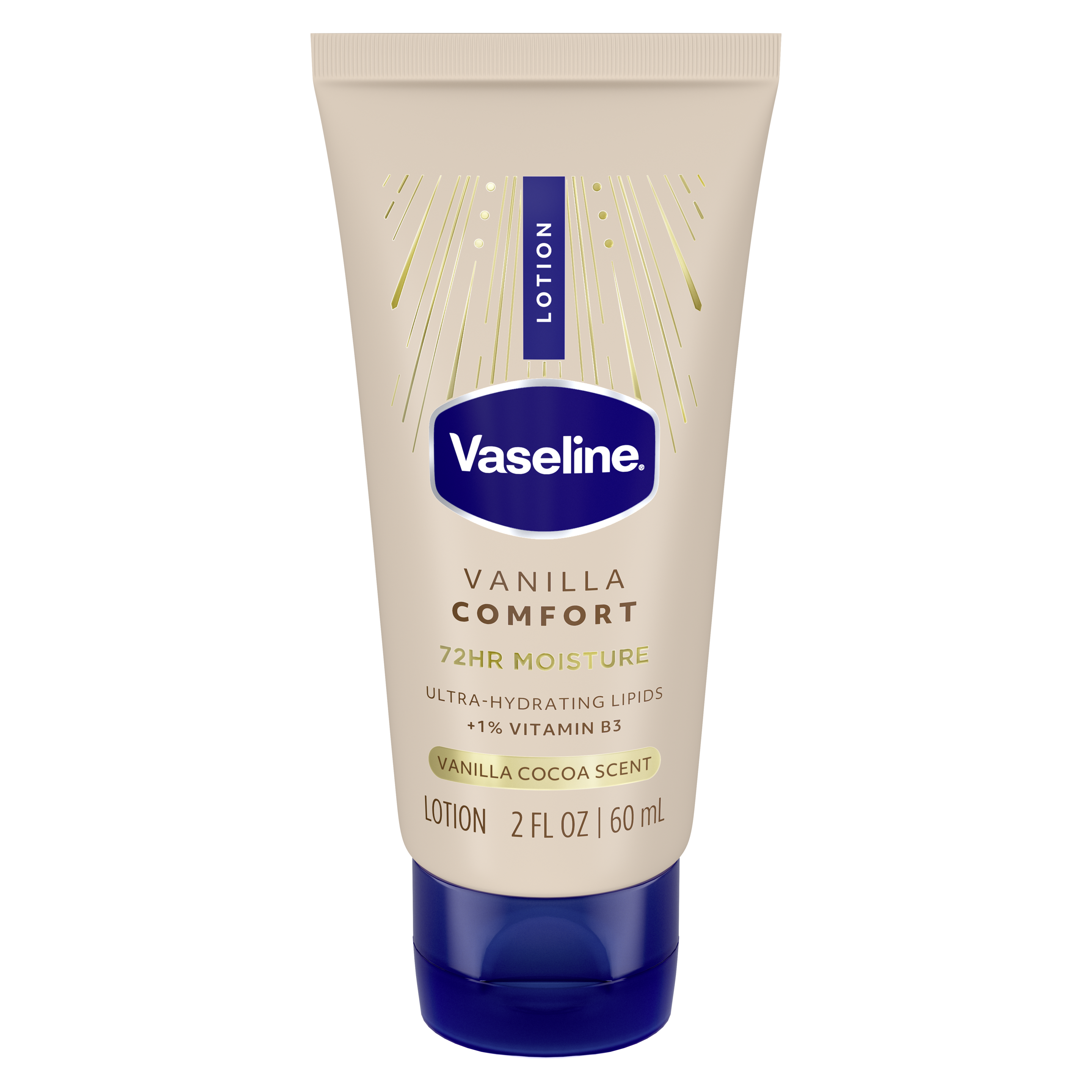
Dry skin conditions are common, but they are manageable and preventable with consistent care and mindful product choices. By making small yet significant adjustments to your daily routine and selecting appropriate skincare, you can effectively address and prevent dryness. For a trusted daily ally in your fight against dry skin, explore the Vaseline® Creams and Lotions Range, dermatologically tested to provide your skin with the best possible care.
As you can see, dry skin conditions are quite common, but they can be treated and prevented by making small but significant changes to your routine and the products you use. If you want a daily ally against dry skin our Vaseline® Creams and Lotions Range has been dermatology tested to give you and your skin the best care possible.
Frequently Asked Questions About Dry Skin
Dry skin primarily results from a compromised skin barrier that struggles to retain moisture and natural oils. Common factors include environmental conditions, harsh skincare products, aging, and certain medical conditions.
To treat extremely dry skin, consistently apply rich moisturizers containing ingredients like humectants (glycerin, hyaluronic acid), occlusives (petroleum jelly), and emollients (shea butter). Also, consider using a humidifier and gentle, fragrance-free cleansers.
While dry skin is often due to external factors, it can sometimes be influenced by mineral and vitamin deficiencies, such as those in vitamin A, vitamin D, niacin, zinc, and iron.
Staying adequately hydrated internally is crucial for overall skin health. Drinking sufficient water helps maintain your body's moisture balance, which in turn supports your skin's ability to stay hydrated and resilient against dryness.
If your dry skin is severe, persistent, causes significant discomfort, or shows signs of infection (like yellow crusts or pus), it's advisable to consult a dermatologist. They can diagnose underlying conditions like eczema or psoriasis and recommend targeted treatments.
Yes, environmental factors like low humidity, cold weather, and strong winds can severely dehydrate your skin. Using indoor humidifiers during dry seasons and protecting your skin from harsh elements can help mitigate these effects.
Look for products labeled "fragrance-free," "hypoallergenic," and "dermatologist-tested." Avoid harsh ingredients like strong retinoids, salicylic acid, and alcohol. Prioritize moisturizers with a blend of humectants, occlusives, and emollients to support your skin barrier.
Dry skin occurs when the top layer of your skin loses or is unable to keep moisture. The most common cause of dry skin is aging, as our skin produces less collagen and retains less moisture. However, ingredients in harsh detergents and soap; cold, dry climates; or even certain skin conditions can all result in dry skin.
Usually, moisturizing regularly and paying attention to the cleansers you use will be enough to care for dry skin. However, if the condition persists and turns into dermatitis or infection, you should consult your doctor or a skin specialist like a dermatologist.
Dry skin comes from a lack of moisture or hydration in the skin, but it also can be influenced by a mineral and vitamin deficiency like vitamin A, vitamin D, niacin, zinc, and iron.
These articles provide general tips and information about improving skin health. They have been written by health and beauty writers. They have not been written by health care professionals and, as such, don’t constitute medical advice. If you have a serious skin condition, please consult a medical professional.