Skip to content


Navigating the unique needs of dry skin can be a journey, and discovering effective solutions is essential for maintaining skin health. If you experience dry or itchy skin, our experts have crafted comprehensive dry skin care routines to help you achieve lasting moisture and protection from head to toe. We've also included valuable insights from dermatologists Dr. Mona Gohara and Dr. Shari Marchbein to guide you.
Key Takeaways for Dry Skin Care
- A consistent dry skin care routine is essential for maintaining hydration and comfort.
- Prioritize gentle, hydrating cleansers and moisturizers rich in ingredients like hyaluronic acid and petroleum jelly.
- Protect your skin daily with broad-spectrum SPF to prevent further dryness and damage.
- Consider 'slugging' with Vaseline® Jelly overnight to lock in moisture, especially for very dry areas.
- Avoid harsh soaps, hot showers, and over-exfoliation to prevent worsening dry skin symptoms.
- Stay hydrated internally by drinking plenty of water to support overall skin health.
Crafting Your Ideal Dry Skin Care Routine
Effectively caring for dry skin involves selecting the right products and applying them at optimal times. To guide you, we've outlined comprehensive skin care routines tailored for both your face and body, designed to maximize hydration and comfort.
Step-by-Step Guide to Your Dry Skin Care Routine


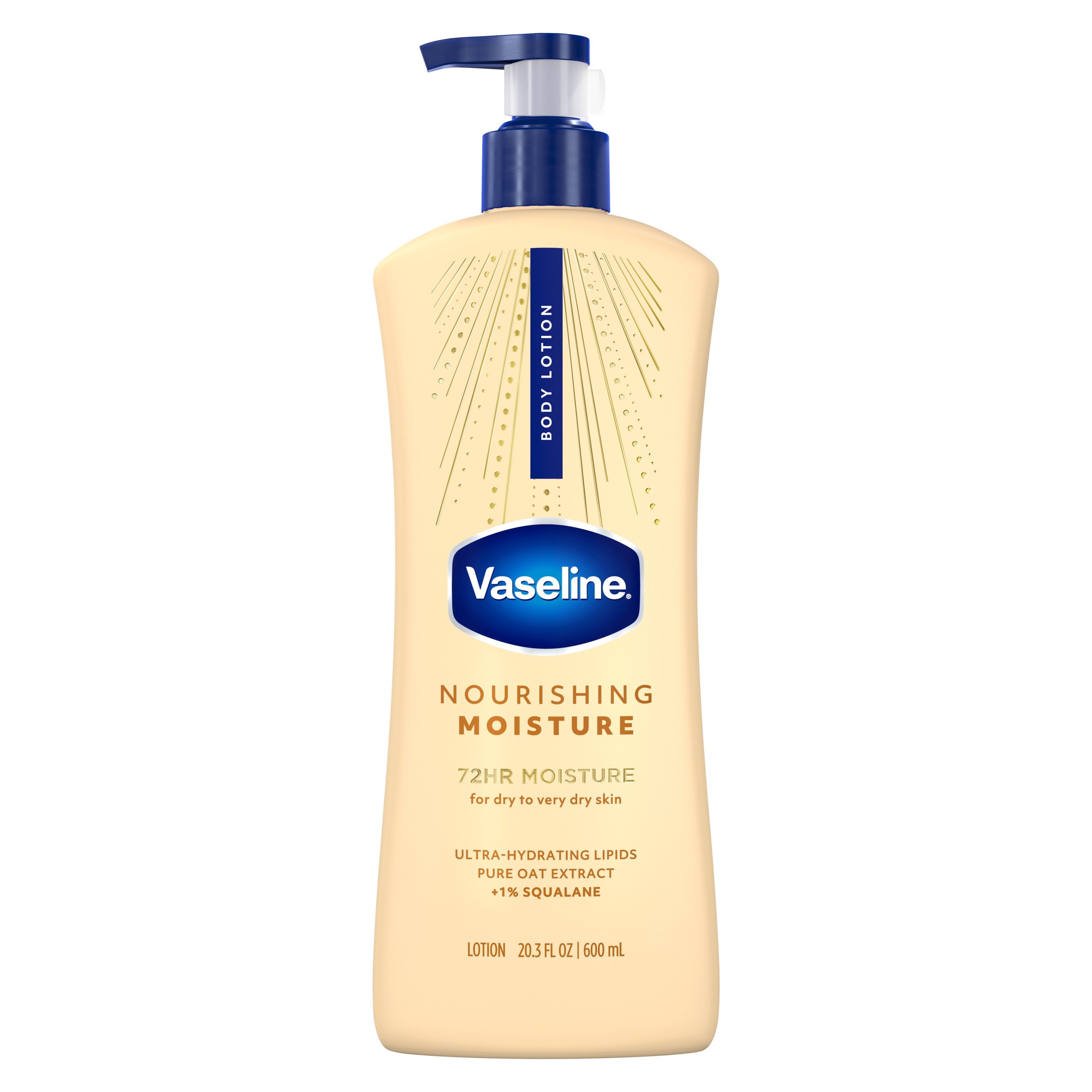
Factors That Can Worsen Dry Skin
- Fragrance: While not universally problematic, fragrances can sometimes irritate sensitive dry skin. Pay attention to how your skin reacts to fragranced products.
- Dry Air: Both indoor and outdoor dry air can significantly impact dry skin. Keep a hydrating moisturizer readily available and consider using an air humidifier in your home.
- Inadequate Hydration: Internal hydration is crucial for skin health. Research, including a study by Clinical, Cosmetic and Investigational Dermatology, indicates that consistent water intake contributes to better skin hydration.
- Over-Exfoliating: While exfoliation can remove dead skin cells, excessive use of chemical or mechanical exfoliants can compromise your skin's natural barrier. As Dr. Gohara advises, 'Respect the barrier, and do not scrub off healthy skin cells.'
Further Reading: For more insights into specific skin concerns, explore our article: Dry Skin Rashes: Understand the Causes, Symptoms and Treatments.
Understanding the Causes of Dry Skin
Dry skin can stem from various factors. A primary contributor is aging, as our skin's natural capacity to produce and retain sebum diminishes over time. Environmental conditions, such as cold outdoor and indoor temperatures, also play a role by reducing air moisture. Additional causes of dry skin include:
- Deficiencies in essential vitamins and minerals, such as vitamin A, iron, and zinc.
- Certain medications that can impact skin hydration.
- Underlying skin conditions like psoriasis and contact dermatitis.
Implementing a consistent and effective dry skin care routine can significantly improve skin hydration. Focusing on high-quality products, including moisturizers, gentle cleansers, and SPF, and adhering to a daily regimen are key to achieving optimal results.
Deep Dive: For a comprehensive understanding, read our article: Solving the Mystery of Dry Skin: Causes, Symptoms, and Treatment.
For further personalized advice on managing your dry skin concerns, consulting a dermatologist is always recommended. They can provide tailored guidance based on your specific skin type and needs.
These articles provide general tips and information about improving skin health. They have been written by health and beauty writers. They have not been written by health care professionals and, as such, don’t constitute medical advice. If you have a serious skin condition, please consult a medical professional.
Embrace Your Journey to Hydrated Skin
Achieving healthy, comfortable skin is within reach with a dedicated dry skin care routine. By understanding your skin's needs, choosing the right products, and consistently following these expert-backed steps, you can transform dryness into lasting hydration. Remember, consistent care is the foundation for a radiant and confident you.
Frequently Asked Questions About Dry Skin Care
For dry skin, it's generally recommended to moisturize at least twice a day, in the morning and before bed. Applying moisturizer immediately after showering or washing your face helps lock in moisture effectively.
Yes, diet can play a role in skin hydration. Ensuring adequate intake of water, healthy fats (like omega-3s), and vitamins can support overall skin health and help manage dryness.
Absolutely. Over-cleansing, especially with harsh or stripping cleansers, can remove essential natural oils, leading to increased dryness and irritation. Opt for gentle, hydrating cleansers.
Look for ingredients like hyaluronic acid, glycerin, ceramides, shea butter, cocoa butter, squalene, and petroleum jelly. These help attract, retain, and seal in moisture, strengthening the skin barrier.
Low humidity, whether from dry outdoor air or indoor heating/air conditioning, can draw moisture from your skin, making it drier. Using a humidifier indoors can help add moisture back into the air.
While stress doesn't directly cause dry skin, it can exacerbate existing skin conditions and impair the skin's barrier function, potentially leading to increased dryness and sensitivity.