Skip to content


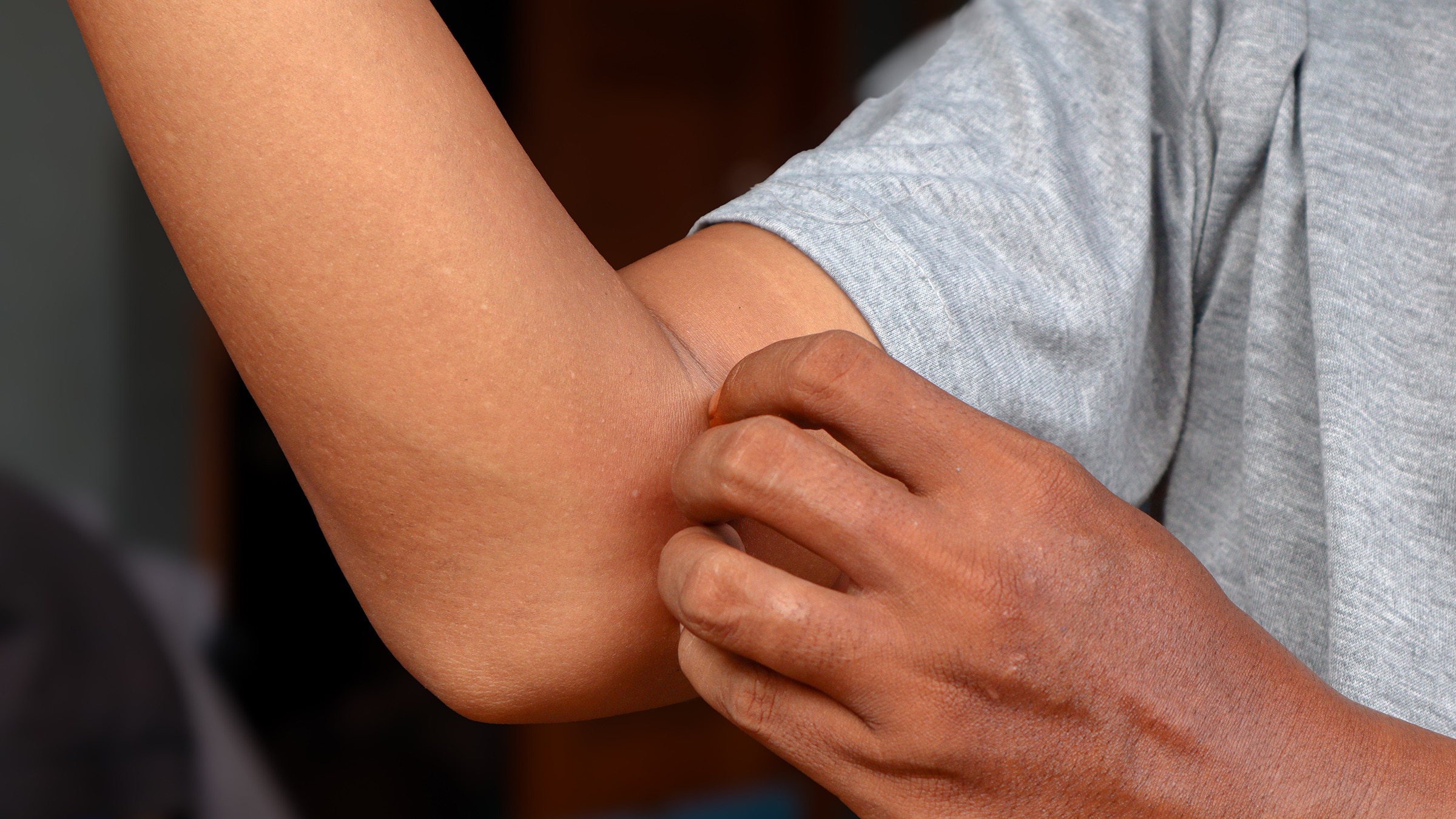
Living with diabetes can bring various health considerations, and skin health is a significant one. Many individuals with diabetes experience dry, itchy skin, which can lead to discomfort and further complications if not properly managed. Understanding the connection between diabetes and skin problems is the first step toward finding effective relief and maintaining skin comfort.
This article provides practical, empathetic guidance on managing diabetic dry skin and persistent itching. We'll explore simple yet effective strategies to help you care for your skin, reduce irritation, and promote overall skin wellness, empowering you to feel more comfortable and confident in your skin.
Key Takeaways for Managing Diabetic Skin Concerns
- Gentle Cleansing: Use mild, fragrance-free soaps and avoid excessive washing to prevent further skin dryness and irritation.
- Consistent Moisturization: Regularly apply a hydrating lotion, especially one designed for dry or sensitive skin, to lock in moisture and soothe itching.
- Appropriate Attire: Choose comfortable, breathable fabrics and well-fitting shoes to prevent skin friction and potential issues, particularly on the feet.
- Regular Physical Activity: Incorporate exercise to support overall health, which can positively impact blood sugar levels and skin condition.
- Avoid Scratching: Resist the urge to scratch itchy areas to prevent skin damage and potential infections, seeking professional advice if needed.
Understanding Diabetic Skin Concerns
If you live with diabetes, you may be more prone to experiencing dry skin, which can often lead to persistent itching. The connection between itchy skin and diabetes is common, but proactive skincare can help. By adopting a thoughtful approach to your skin health, you can work towards reducing the risk of developing skin problems associated with dryness and maintain skin that feels healthy and smooth.
Managing diabetic dry skin and itching involves a combination of careful daily practices and understanding your skin's unique needs. Let's explore some essential strategies to help you navigate these challenges effectively.
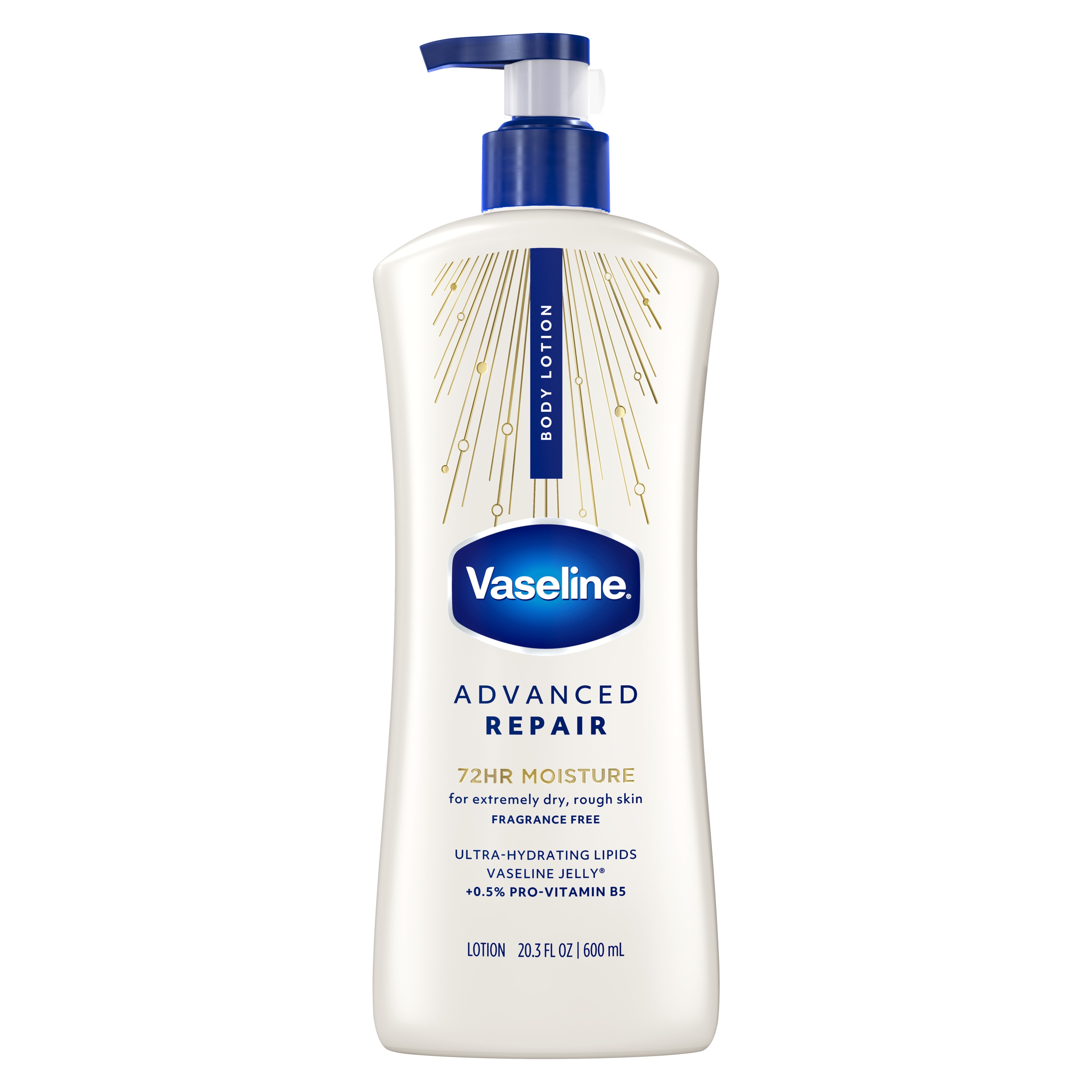
Consistent moisturization is key to managing dry, itchy skin associated with diabetes. Regular application of a suitable moisturizer can help calm irritated skin and reduce the urge to scratch. It's important to gently care for your skin, as scratching can lead to further damage. If you notice any skin damage or persistent issues, consulting your doctor for personalized advice is always recommended.
Diabetic dry skin often affects the feet, making them particularly susceptible to dryness and cracking, which can cause significant itching. Prioritizing regular foot moisturization is crucial. Applying Vaseline® Jelly can help create a protective barrier, sealing in essential moisture to prevent dryness and keep your feet feeling comfortable and healthy.
Practical Skincare Tips for Diabetic Dry and Itchy Skin
Expert Advice
The advice in this article does not constitute medical advice, it is solely available for information purposes.
Embrace Comfort: Managing Diabetic Skin with Confidence
Effectively managing diabetic dry and itchy skin is an ongoing journey that can significantly improve your daily comfort and overall well-being. By consistently applying these practical skincare tips—from gentle cleansing and regular moisturization to thoughtful clothing choices and incorporating physical activity—you can proactively address common skin concerns associated with diabetes.
Remember, taking care of your skin is an integral part of your diabetes management plan. Embrace these strategies to soothe irritation, prevent dryness, and maintain healthy, resilient skin, empowering you to live more comfortably and confidently every day.
Frequently Asked Questions About Diabetic Skin Care
Diabetes can affect blood circulation and nerve function, leading to reduced moisture in the skin. High blood sugar levels can also cause the body to lose fluids, contributing to dryness. This dryness often results in itching, particularly on the legs, feet, and hands.
Look for moisturizers that are unscented, hypoallergenic, and specifically formulated for dry or sensitive skin. Products containing ingredients like petrolatum (Vaseline® Jelly), glycerin, ceramides, or hyaluronic acid can be very effective in locking in moisture and repairing the skin barrier. It's often beneficial to apply moisturizer immediately after bathing to seal in hydration.
Yes, harsh soaps, strong perfumes, and certain laundry detergents can strip the skin of its natural oils, leading to increased dryness and irritation. It's advisable to use mild, fragrance-free cleansers and detergents to minimize potential triggers for itching and discomfort.
To prevent itchy feet, moisturize them daily, especially after washing. Wear breathable socks made of cotton and well-fitting, supportive shoes to avoid friction and irritation. Regularly inspect your feet for any signs of dryness, cracks, or sores, and consult your doctor or podiatrist if you notice any concerns.
You should consult your doctor if you experience persistent or severe itching, skin infections, open sores, blisters, or any changes in your skin that concern you. Early intervention can help prevent complications and ensure proper management of your skin health.