Skip to content


Having dry skin on your feet is a common concern that affects many, and it's no wonder given the incredible mileage our feet cover in a lifetime. Despite having numerous sweat glands, feet have very few oil glands, making them particularly prone to dryness. This is why consistent foot care is essential, regardless of the season.
This comprehensive guide will explore the common causes of dry skin on feet, provide effective treatments to relieve itchy, flaky skin, and offer long-term prevention strategies to keep your feet smooth and healthy. We'll cover:
Key Takeaways for Healthy Feet
- Understand the Causes: Environmental factors, footwear, skin conditions, medical issues, and aging can all contribute to dry feet.
- Exfoliate Gently: Regularly remove dead skin cells using physical or chemical exfoliants, or a pumice stone, to allow moisturizers to penetrate effectively.
- Moisturize Consistently: Apply a rich foot cream or lotion immediately after bathing and before bed to lock in hydration and support skin barrier repair.
- Consider Overnight Treatments: For extremely dry feet, apply a generous layer of Vaseline® Healing Jelly Original and wear socks overnight to deeply moisturize.
- Practice Daily Prevention: Protect your feet from sun exposure, wear comfortable shoes, and avoid overly hot or long baths to maintain skin health.
- Seek Expert Advice: If dry skin persists despite home care, consult a dermatologist or podiatrist for personalized guidance.
Understanding the Causes of Dry Skin on Your Feet
There are a wide variety of factors that can lead to extremely dry skin on your feet, often resulting in flaky or scaly patches.
Read next: Solving the Mystery of Dry Skin: Causes, Symptoms, and Treatment
Some of the most common causes of dry skin on the feet include:
Environmental Factors
During colder, drier winter months, your skin, especially on your feet, can become significantly drier. However, warmer months also pose challenges. While flip-flops and sandals allow your feet to breathe, they also expose them to harsh elements. Sun exposure is known to contribute to dryness, particularly if your skin barrier is already compromised.
Footwear Choices
Your choice of footwear plays a crucial role. Shoes made from non-breathable materials can trap heat and humidity, leading to sweaty feet. Experts suggest that sweaty feet can paradoxically cause the skin to dry out more quickly. Similarly, ill-fitting or overly tight shoes can create friction, generating heat and sweat. Open-backed shoes, like flip-flops, are also notorious for contributing to dry and cracked heels.
Skin Conditions
Certain skin conditions, such as atopic dermatitis, ichthyosis, and palmoplantar psoriasis, can manifest as extremely dry skin on the feet, often leading to peeling or flaky skin.
Medical Conditions
Various medical conditions, including diabetes, thyroid disease, and kidney disease, can result in dry skin. Additionally, treatments for certain illnesses, such as dialysis or radiation, can have a similar drying effect. Some medications, like statins and diuretics, can also cause skin dryness.
Aging
As we age, the epidermis, the skin's outermost layer, naturally becomes thinner, and our skin's ability to retain moisture diminishes. The body also reduces its production of collagen and elastin, which are vital for plump, hydrated skin. This explains why dry feet and related concerns are more prevalent among older adults.
Effective Treatments for Dry Skin on Your Feet

Daily Care and Prevention Strategies for Healthy Feet
Here are a few additional tips on how to care for your feet and prevent them from getting dry, flaky, or scaly:
- Protect from the Sun: The sun’s rays can strip your skin’s natural moisture. Always apply SPF to all exposed skin, including your feet, to prevent dryness and damage.
- Wear Proper Footwear: Choose comfortable, well-fitting shoes that allow your feet to breathe. This helps prevent excessive sweating and friction that can lead to dry skin.
- Limit Hot Showers and Baths: While relaxing, long, hot showers and baths can strip natural oils from your skin, exacerbating dryness. Opt for shorter, lukewarm washes.
- Choose Fragrance-Free Products: If you have sensitive skin, switch to fragrance-free cleansers and moisturizers. As Dr. Gohara notes, “Irritation or a true allergy can manifest as dry, itchy and inflamed skin.”
- Combat Dry Air: During colder months, when indoor heating can dry out the air, use a humidifier in your home to add moisture back into the environment, benefiting your skin.
When to Consult a Doctor
Persistent dry feet and cracked heels can sometimes indicate a more serious underlying issue. If your skin doesn’t show improvement despite consistent home care, it’s advisable to consult a board-certified dermatologist or podiatrist for professional advice and to get to the root of the problem.
Remember, your feet deserve a dedicated skin care routine just as much as your face. Regular exfoliation and consistent moisturization are key to keeping the skin smooth, hydrated, and free from dryness. Prioritizing your foot health contributes to overall well-being.
Read next:
From Flaky to Fabulous: A Customized Skin-Care Routine for Dry Skin
Discover More: Related Articles on Skin Health

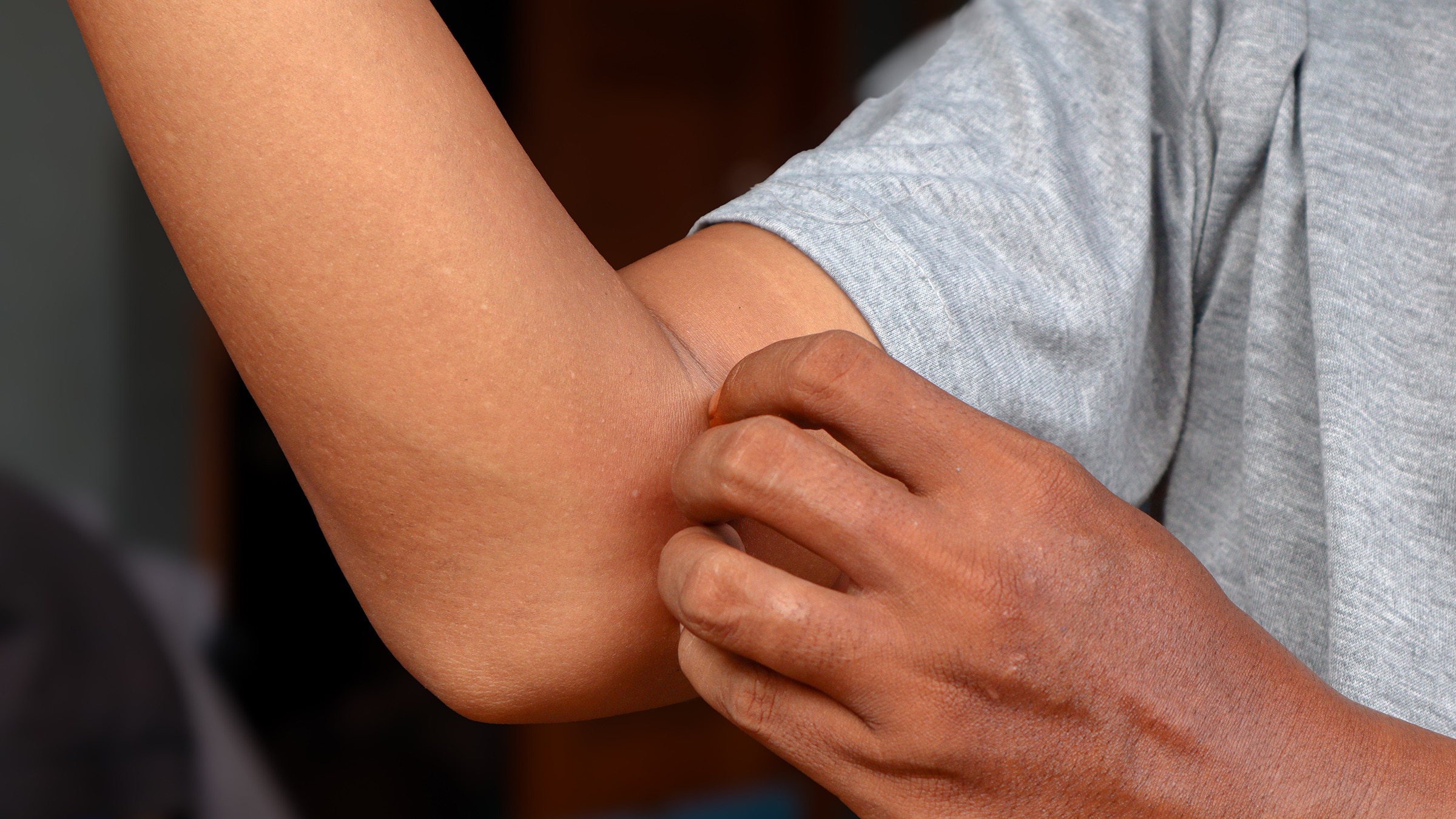


Embrace Smooth, Healthy Feet
Caring for your feet is an essential part of your overall skin health routine. By understanding the common causes of dryness and consistently applying effective treatments like exfoliation and deep moisturization, you can transform rough, flaky skin into soft, supple feet. Remember to protect your feet daily and consider overnight nourishing treatments for an extra boost of hydration. With a little dedication, you can enjoy comfortable, healthy feet all year round.
Frequently Asked Questions About Dry Feet
To get rid of flaky skin on your feet, start by gently exfoliating to remove dead skin cells. You can use a physical scrub, a chemical exfoliant, or a pumice stone. Follow this with consistent application of a rich moisturizer, especially after bathing, to lock in hydration and promote smoother skin.
For extremely dry feet, a multi-step approach is most effective. Begin with gentle exfoliation, then apply a thick, emollient-rich foot cream. Consider an overnight treatment by applying a generous layer of Vaseline® Healing Jelly Original and wearing cotton socks to seal in moisture. Consistent daily moisturizing is key.
Yes, Vaseline® Healing Jelly Original is an excellent choice for dry feet and cracked heels. As an occlusive, it creates a protective barrier that locks in moisture, preventing water loss and supporting the skin's natural healing process. It's particularly effective when applied generously overnight with socks.
Preventing dry skin on your feet involves consistent care. Always moisturize after washing, wear comfortable and breathable footwear, protect your feet from sun exposure, and avoid excessively hot baths. Using a humidifier in dry environments can also help maintain skin hydration.
If your feet remain dry despite moisturizing, several factors could be at play. You might need to exfoliate more regularly to allow moisturizers to penetrate better. Environmental factors, certain footwear, underlying skin conditions, or even medical issues could also contribute. Ensure you're using a rich, occlusive moisturizer and applying it consistently, especially after bathing.
You should consult a dermatologist or podiatrist if your dry skin on feet doesn't improve with consistent home care, if you experience severe cracking, pain, redness, swelling, or signs of infection. Persistent dryness can sometimes indicate an underlying medical condition that requires professional diagnosis and treatment.