Skip to content
Have you ever wondered if your skin is truly dry or just dehydrated? While often used interchangeably, dry and dehydrated skin are distinct concerns, each requiring a tailored approach to care. Understanding the difference is the first step towards achieving healthy, comfortable skin. This article will help you identify your skin's needs and explore effective solutions for maintaining optimal skin hydration, ensuring your body skin feels its best.
Key Takeaways for Healthy Skin
- Dry skin lacks natural oils, often feeling rough and flaky, while dehydrated skin lacks water, appearing dull and tight.
- Environmental factors like low humidity and indoor heating can significantly contribute to both dry and dehydrated skin conditions.
- Regular use of moisturizing lotions and petroleum jelly, like Vaseline® Jelly, can help replenish moisture and support the skin's natural barrier.
- Products containing ingredients like glycerin and micro-droplets of petroleum jelly are effective in locking in moisture and promoting skin healing.
- Consistent skincare routines are essential for soothing extremely dry skin and restoring its natural radiance.
Effective Ways to Care for Dry and Dehydrated Skin
Dry Skin vs. Dehyradated Skin: A Comparison
|
Feature |
Dry Skin |
Dehyradated Skin |
|---|---|---|
|
Primary Cause |
Lack of natural oils (lipids) |
Significant depletion of natural lipids |
|
Appearance/Feel |
Rough, sometimes tight |
Itchy, flaky, sometimes cracked |
|
Key Characteristic |
Mild discomfort |
Pronounced discomfort, visible flaking |
|
Progression |
Can lead to extremely dry skin if untreated |
Often results from untreated dry skin |
Embrace Healthy, Hydrated Skin
Distinguishing between dry and dehydrated skin is crucial for effective care. By understanding your skin's unique needs and incorporating targeted solutions, you can combat environmental stressors and restore your skin's natural balance. With consistent attention and the right products, achieving and maintaining healthy, comfortable skin is within reach. Explore Vaseline® solutions to support your skin's journey to optimal hydration and radiance.
Frequently Asked Questions About Dry and Dehydrated Skin
Dry skin is a skin type characterized by a lack of natural oils (lipids), often feeling rough, flaky, and sometimes itchy. Dehydrated skin, on the other hand, is a skin condition caused by a lack of water, making it appear dull, tight, and sometimes showing fine lines. While dry skin needs oil replenishment, dehydrated skin primarily needs water.
Yes, Vaseline® Jelly can help support dehydrated skin by creating a protective barrier that locks in existing moisture and prevents further water loss. While it doesn't directly add water, it helps the skin retain its natural hydration, making it an effective component in a routine for dehydrated skin.
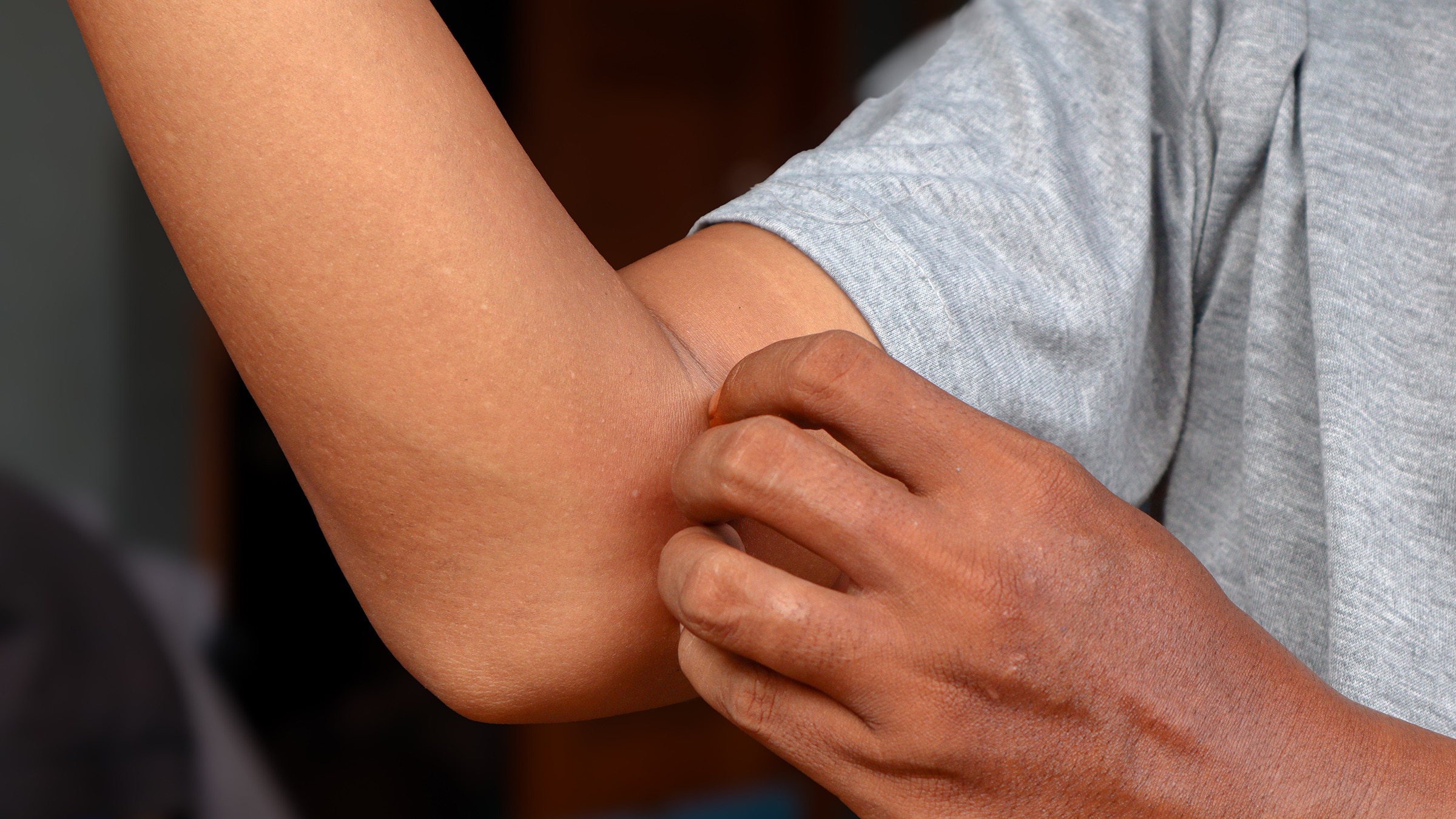
Signs of dehydrated body skin include a feeling of tightness, dullness, and sometimes itchiness. You might also notice that your skin looks less plump or that fine lines are more prominent. A simple pinch test—if your skin doesn't bounce back quickly—can also indicate dehydration.
Petroleum jelly, like Vaseline® Jelly, is highly effective for dry skin because it forms a protective seal on the skin's surface. This barrier helps to prevent moisture evaporation, allowing the skin's natural healing processes to occur and replenishing its moisture levels, making it feel softer and smoother.
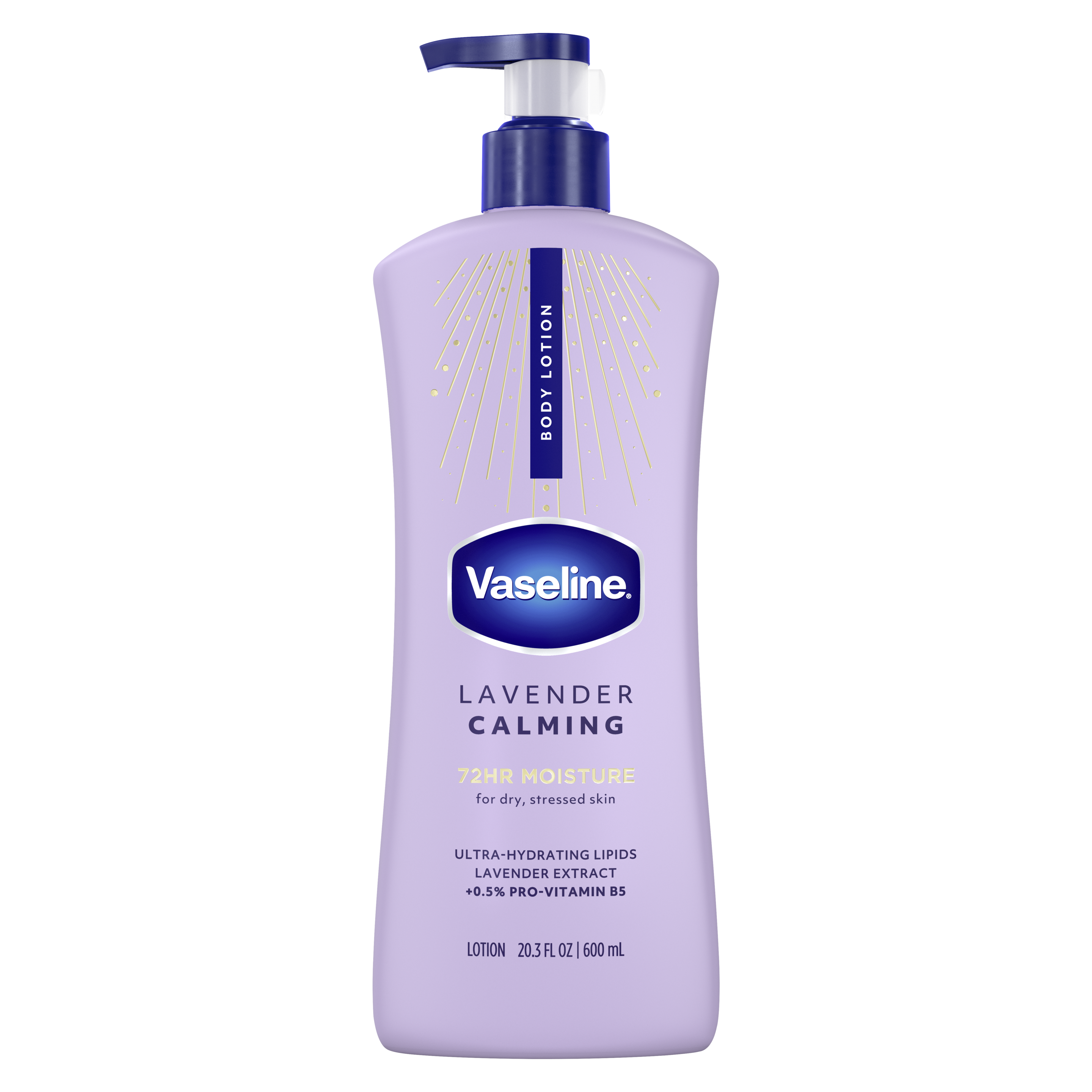
For extremely dry skin, products like Vaseline® Advance Repair Lotion are specifically formulated to provide deep healing moisture. These lotions often contain ingredients like glycerin and micro-droplets of petroleum jelly to help repair the skin's natural barrier and offer significant relief from dryness and flakiness.
Environmental factors such as low humidity, cold weather, and indoor heating systems can strip the skin of its natural moisture, leading to dryness. These conditions accelerate water loss from the skin's surface, making it more susceptible to feeling rough, tight, and uncomfortable. Protecting your skin from these elements is key to maintaining hydration.
Understanding Environmental Impacts on Skin Hydration
Our skin's appearance and health can be significantly influenced by environmental shifts. As temperatures drop, humidity levels often decrease, and the increased use of indoor heating systems can further deplete the skin's natural moisture. This combination frequently leads to feelings of dryness and discomfort, highlighting the importance of understanding how external factors affect your skin's hydration needs.
Expert Advice
The advice in this article does not constitute medical advice, it is solely available for information purposes.