Skip to content


Understanding and Soothing Itchy Skin
Itchy skin, also known as pruritus, can be a frustrating and uncomfortable experience, often signaling underlying skin concerns. Whether it's due to dry skin, an allergic reaction, eczema, or even a bug bite, finding effective relief is key to restoring comfort and skin health. This guide from Vaseline® offers expert insights and practical strategies to help you understand, treat, and prevent persistent itchy skin, empowering you to achieve lasting relief.
Key Takeaways for Soothing Itchy Skin
- Identify the Cause: Itchy skin can stem from various factors like dryness, allergies, or irritants; understanding the root helps in effective treatment.
- Immediate Relief: Simple home remedies such as cold compresses and soothing ingredients like oatmeal and aloe vera can provide quick comfort.
- Preventative Care: Regular moisturizing, avoiding hot showers, and choosing gentle, unscented products are crucial for preventing future irritation.
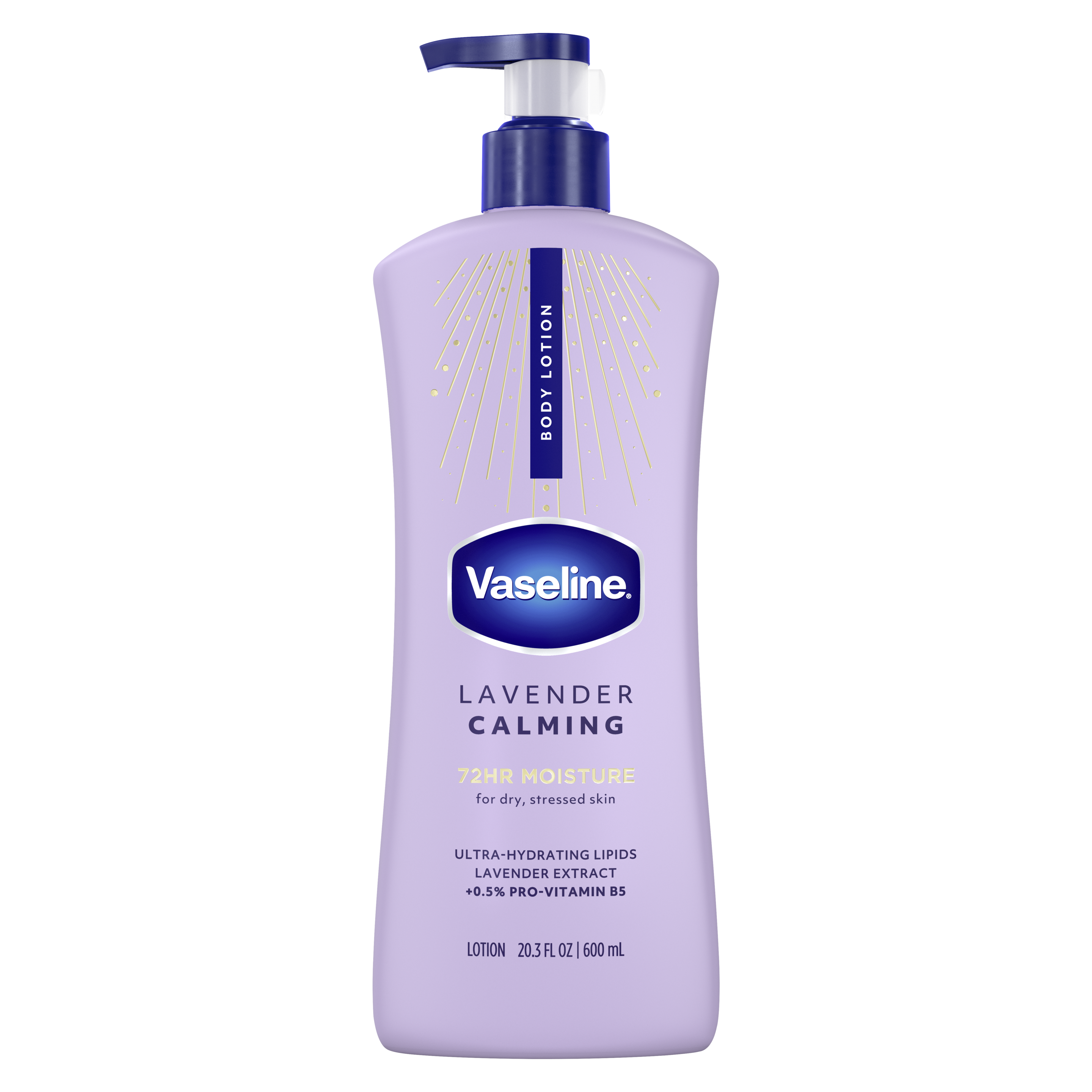
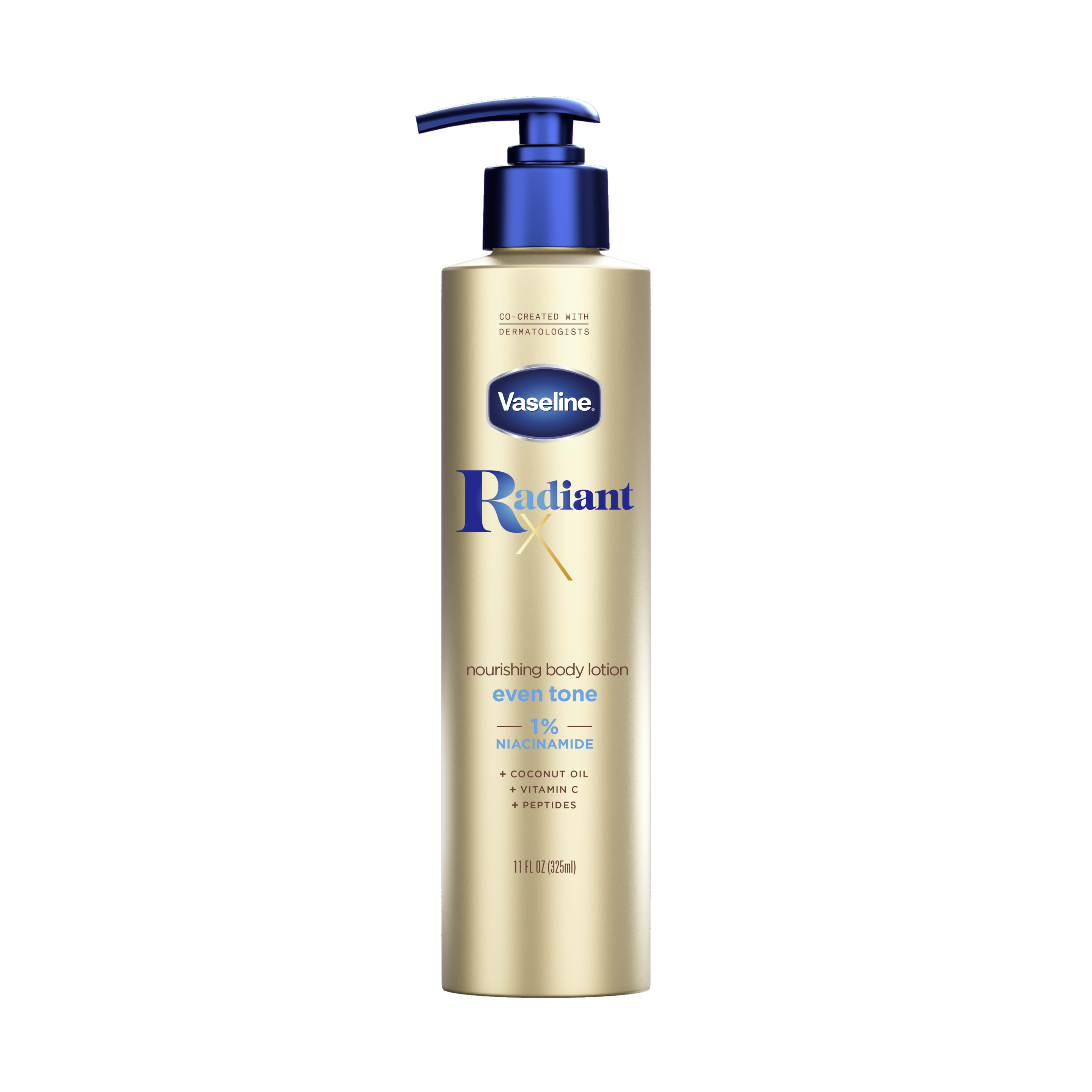
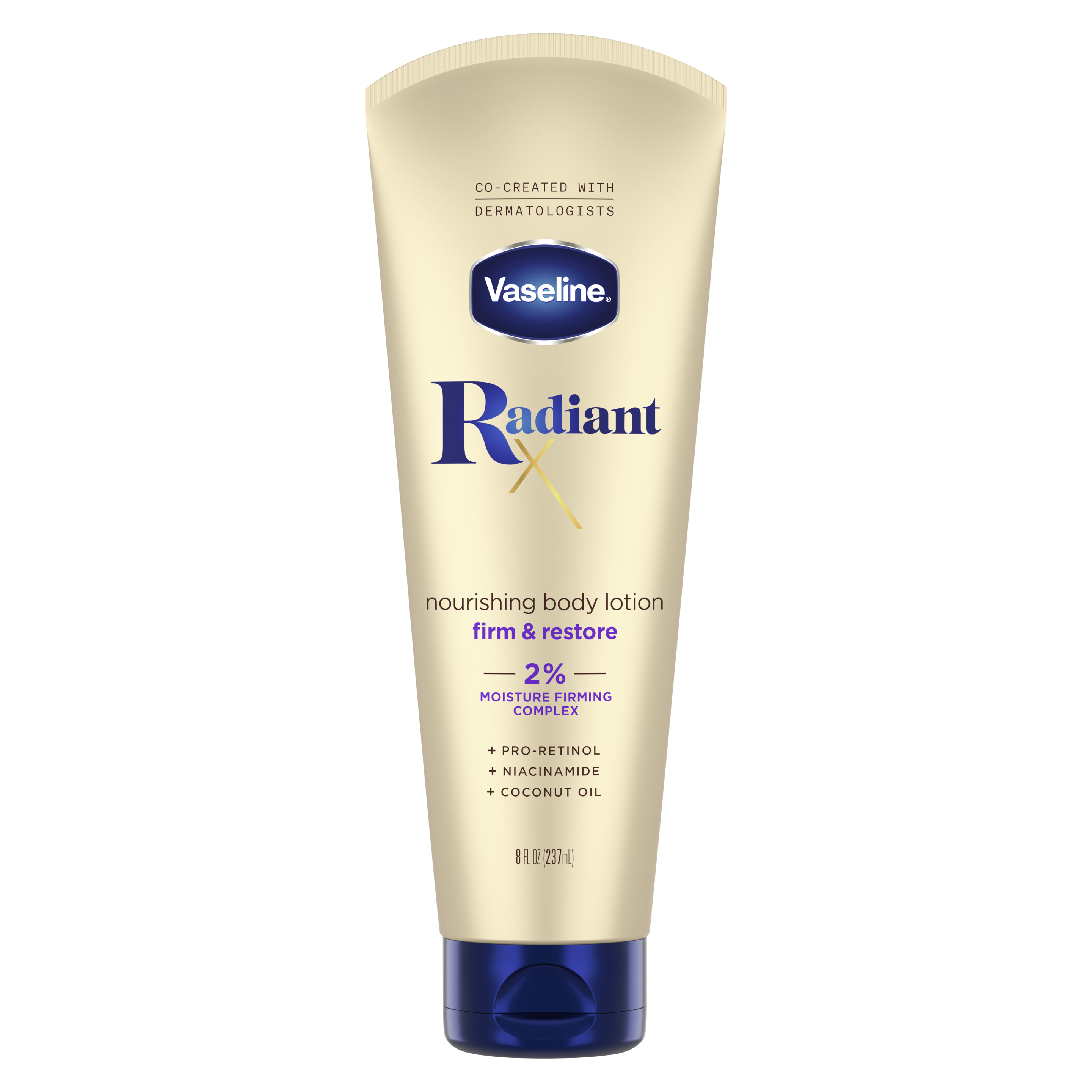
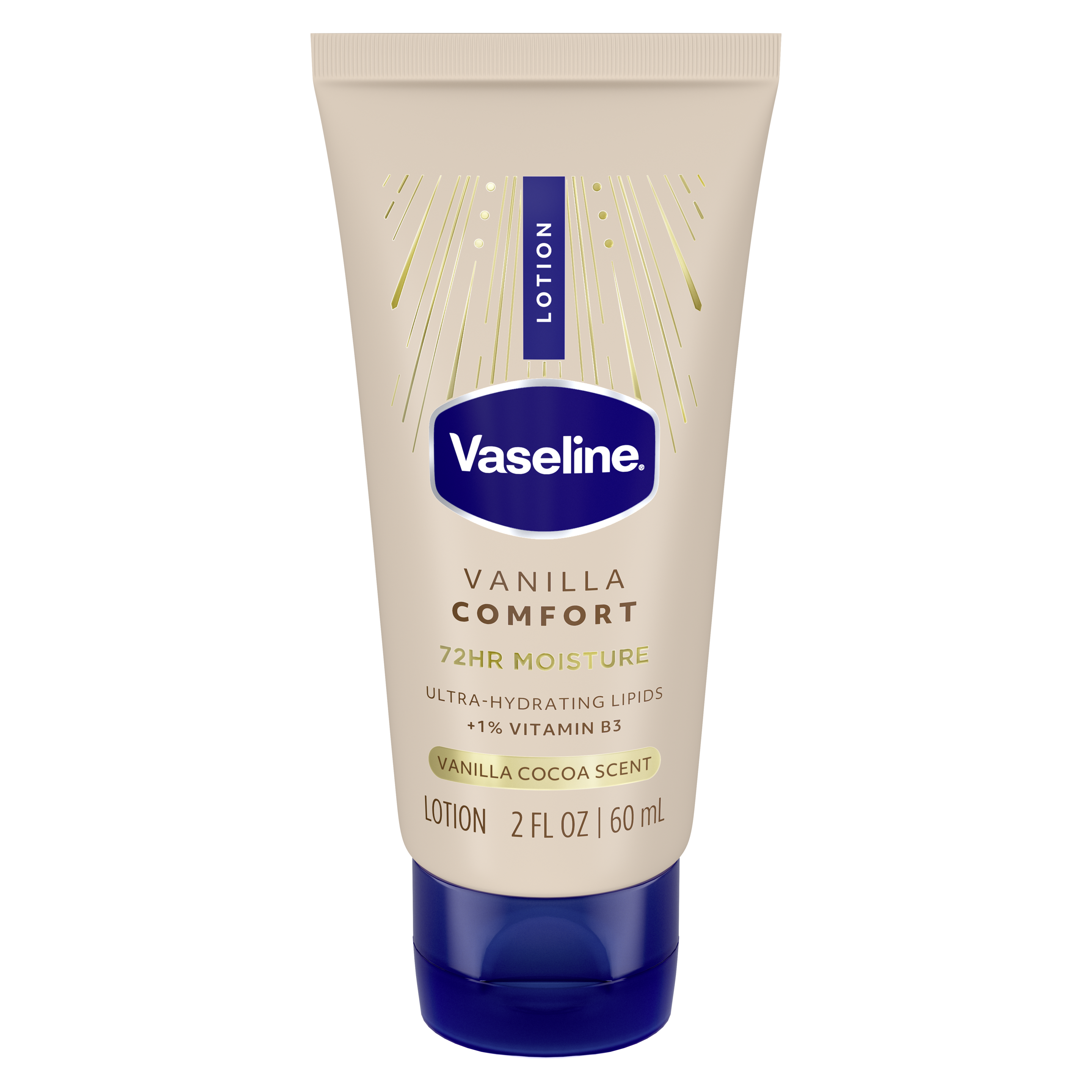
- Product Support: Vaseline® lotions, especially those with hydrating ingredients like micro-droplets of Vaseline® Jelly, help repair the skin barrier and lock in moisture.
- When to Seek Medical Advice: If itchiness persists, spreads, or is accompanied by other symptoms, consult a doctor for proper diagnosis and treatment.
How to Effectively Treat and Prevent Itchy Skin
While some home remedies might suggest using baking soda for itchy skin, it's important to be cautious. Overuse of baking soda can potentially lead to more serious skin issues⁷. Always prioritize gentle, proven methods for skin relief.
If you've tried common remedies and your itchy skin persists for more than two weeks, affects your entire body, or is accompanied by other symptoms like fever or weight loss, it's crucial to consult a doctor. A healthcare professional can help identify any underlying causes and recommend appropriate medicated treatments or ointments to provide lasting relief.
Embrace Comfort: Your Path to Soothed Skin
Managing itchy skin effectively involves understanding its causes, applying targeted remedies, and adopting preventative skincare habits. By incorporating soothing ingredients like oatmeal and aloe vera, maintaining a consistent moisturizing routine with products like Vaseline® Intensive Care™ lotions, and making mindful lifestyle choices, you can significantly reduce discomfort and promote healthier skin. Remember, persistent or severe itching warrants a consultation with a healthcare professional to ensure comprehensive care and lasting relief.
Frequently Asked Questions About Itchy Skin
Itchy skin can be caused by various factors, including dry skin, allergic reactions, eczema, psoriasis, insect bites, and even certain internal health conditions. Environmental factors like cold weather or low humidity can also contribute to skin dryness and itching.
For immediate relief, try applying a cold compress or an ice pack to the affected area. Short, lukewarm baths with colloidal oatmeal can also soothe widespread itching. Avoid scratching, as it can worsen irritation and potentially lead to infection.
Yes, several natural remedies are known for their soothing properties. Oatmeal baths, topical applications of aloe vera gel, and compresses made with chamomile tea can help calm irritated skin. Always ensure you're not allergic to these ingredients before widespread use.
Vaseline® lotions, especially those containing micro-droplets of Vaseline® Jelly, are formulated to deeply moisturize and help repair the skin's natural barrier. This helps to lock in essential moisture, preventing dryness that often leads to itching, and promoting healthier, more comfortable skin.
You should consult a doctor if your itching is severe, persistent (lasting more than two weeks), affects your entire body, or is accompanied by other symptoms like fever, weight loss, fatigue, or skin changes like rashes or lesions. These could indicate an underlying medical condition requiring professional diagnosis and treatment.
While diet is not a direct cause of most itchy skin conditions, certain foods can trigger allergic reactions or exacerbate inflammatory skin conditions in some individuals. Identifying and avoiding such triggers can be beneficial. Staying well-hydrated is also important for overall skin health.
1. Shenefelt, Philip D. “Herbal Treatment for Dermatologic Disorders.” Herbal Medicine: Biomolecular and Clinical Aspects. 2nd Edition., U.S. National Library of Medicine, 1 Jan. 1970, www.ncbi.nlm.nih.gov/books/NBK92761/.
2. "Colloidal Oatmeal Benefits For The Skin.” Tatcha, www.tatcha.com/tatcha-institute/colloidal-oatmeal-benefits-for-the-skin/.
3,5 Shenefelt, Philip D. “Herbal Treatment for Dermatologic Disorders.” Herbal Medicine: Biomolecular and Clinical Aspects. 2nd Edition., U.S. National Library of Medicine, 1 Jan. 1970, www.ncbi.nlm.nih.gov/books/NBK92761/.
5. “Causes and Triggers.” Psoriasis Causes and Known Triggers | National Psoriasis Foundation, www.psoriasis.org/about-psoriasis/causes?gclid=CL6b6pu1k9QCFYmFswodITYOXQ.
6. “Aloe.” University of Maryland Medical Center, www.umm.edu/health/medical/altmed/herb/aloe.
7. Gonzalez, Jose, and Ronald J. Hogg. “Metabolic Alkalosis Secondary to Baking Soda Treatment of a Diaper Rash.” Pediatrics, American Academy of Pediatrics, 1 June 1981, Metabolic Alkalosis Secondary to Baking Soda Treatment of a Diaper Rash.
8. Publications, Harvard Health. “9 Ways to Banish Dry Skin.” Harvard Health, www.health.harvard.edu/staying-healthy/9-ways-to-banish-dry-skin.
9. “How to Relieve Itchy Skin.” How to Relieve Itchy Skin | American Academy of Dermatology, www.aad.org/public/skin-hair-nails/skin-care/itchy-skin.
10. “Itchy Skin (Pruritus).” Mayo Clinic, Mayo Foundation for Medical Education and Research, 11 Aug. 2017, www.mayoclinic.org/diseases-conditions/itchy-skin/symptoms-causes/dxc-20262871.