Skip to content

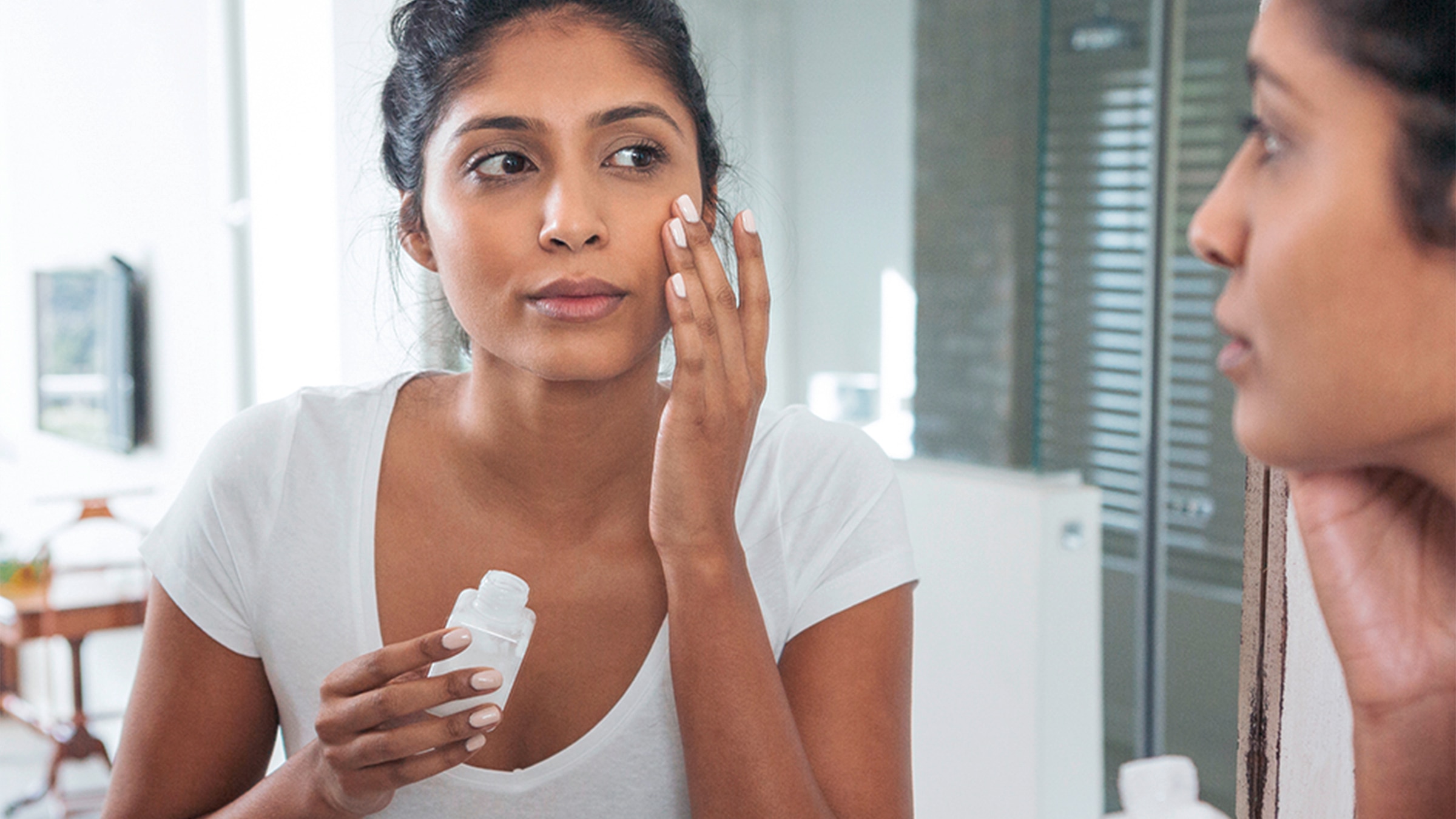
Discover how to achieve a clear, fresh complexion.
Pimples and acne can be a source of frustration, but they don't have to define your skin journey. At Vaseline, we understand the challenges of managing breakouts at any age. This guide offers empathetic, expert-backed advice on how to effectively treat and reduce pimples, helping you achieve clearer, healthier-looking skin with confidence. Let's explore practical tips and a supportive approach to skincare.
Key Takeaways for Clearer Skin
- Understand Pimples: Learn how excess oil and dead skin lead to breakouts, and why acne isn't just a teenage concern.
- Adopt a Consistent Skincare Routine: Use oil-free, non-comedogenic products and moisturize regularly to support skin health.
- Prioritize Well-being: Adequate sleep and exercise can significantly impact your skin's ability to heal and prevent new pimples.
- Protect Your Skin: Shield against sun damage and avoid touching your face to minimize irritation and bacterial spread.
- Gentle Care is Key: Resist squeezing pimples to prevent scarring and ensure a smoother recovery.
Understanding How Pimples Form
Our skin naturally produces sebum, an oil that keeps skin and hair moisturized. This oil typically reaches the skin's surface through hair follicles. However, when excess oil and dead skin cells accumulate, these follicles can become blocked. This creates an environment where bacteria can thrive, leading to swelling and inflammation—the initial signs of a pimple. A completely blocked follicle results in a whitehead, while a partially blocked one forms a blackhead.
Acne: A Common Concern Beyond Teenage Years
While hormonal shifts during puberty often make pimples more prevalent in teenagers, acne is a common experience for adults too. Adult-onset acne can be influenced by various factors, including certain cosmetic products, stress, or hormonal changes like pregnancy or menstruation. Genetic predisposition and specific medications can also play a role. In fact, over 50% of women aged 20–29 and more than 25% of individuals aged 40–49 continue to experience acne. While completely avoiding breakouts may not be possible, adopting proactive strategies can significantly help manage and prevent pimples.
Expert Advice
The advice in this article does not constitute medical advice, it is solely available for information purposes.
Practical Steps to Manage & Prevent Pimples
Embrace Your Journey to Confident Skin
Managing pimples and achieving clearer skin is a journey that involves understanding your skin's needs and adopting consistent, supportive habits. By integrating a thoughtful skincare routine, prioritizing self-care through sleep and exercise, and protecting your skin from environmental factors, you empower your skin to thrive. Remember, every step you take towards healthier skin is a step towards greater confidence. Vaseline is here to support you with practical, empathetic guidance on your path to a radiant complexion.
Frequently Asked Questions About Pimples & Acne
Pimples occur when hair follicles become clogged with excess oil (sebum) and dead skin cells. This creates an environment where bacteria can grow, leading to inflammation and breakouts. Hormonal changes, stress, certain cosmetic products, and genetics can all contribute to their formation.
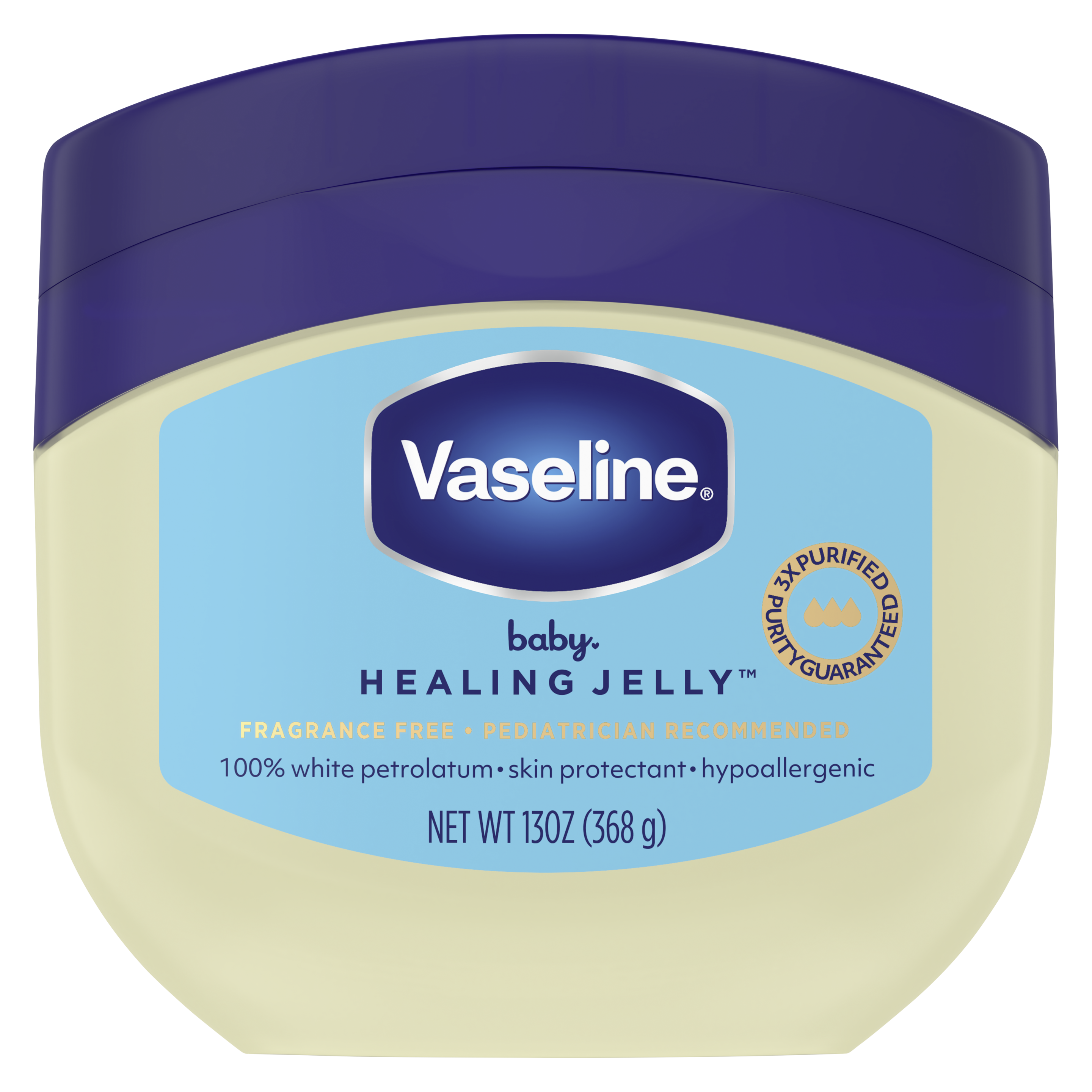
Vaseline® Jelly is non-comedogenic, meaning it won't clog pores. While it doesn't directly treat acne, it can help soothe and protect the skin's barrier, especially if your skin is irritated or dry from acne treatments. It's best used as a protective barrier rather than a primary acne treatment.
Preventing pimples involves a consistent skincare routine with oil-free, non-comedogenic products, regular cleansing and moisturizing, protecting your skin from the sun, and avoiding touching your face. Lifestyle factors like adequate sleep and managing stress also play a significant role.
It's generally not recommended to squeeze pimples. Doing so can push bacteria deeper into the skin, worsen inflammation, spread infection, and potentially lead to scarring or post-inflammatory hyperpigmentation. It's better to let them heal naturally or use targeted treatments.
While the link between diet and pimples is complex and varies for individuals, some studies suggest that high glycemic index foods and dairy products might exacerbate acne in some people. Focusing on a balanced diet rich in fruits, vegetables, and whole grains can support overall skin health.
Adult acne can be triggered by hormonal fluctuations (e.g., during menstruation, pregnancy, or menopause), stress, certain medications, genetics, and even some skincare or makeup products. It's a common condition that many adults experience.
Discover More Articles on Skin Health


Explore Our Recommended Products



- slide 1
- slide 2
- slide 3
- slide 4
- slide 5