Skip to content

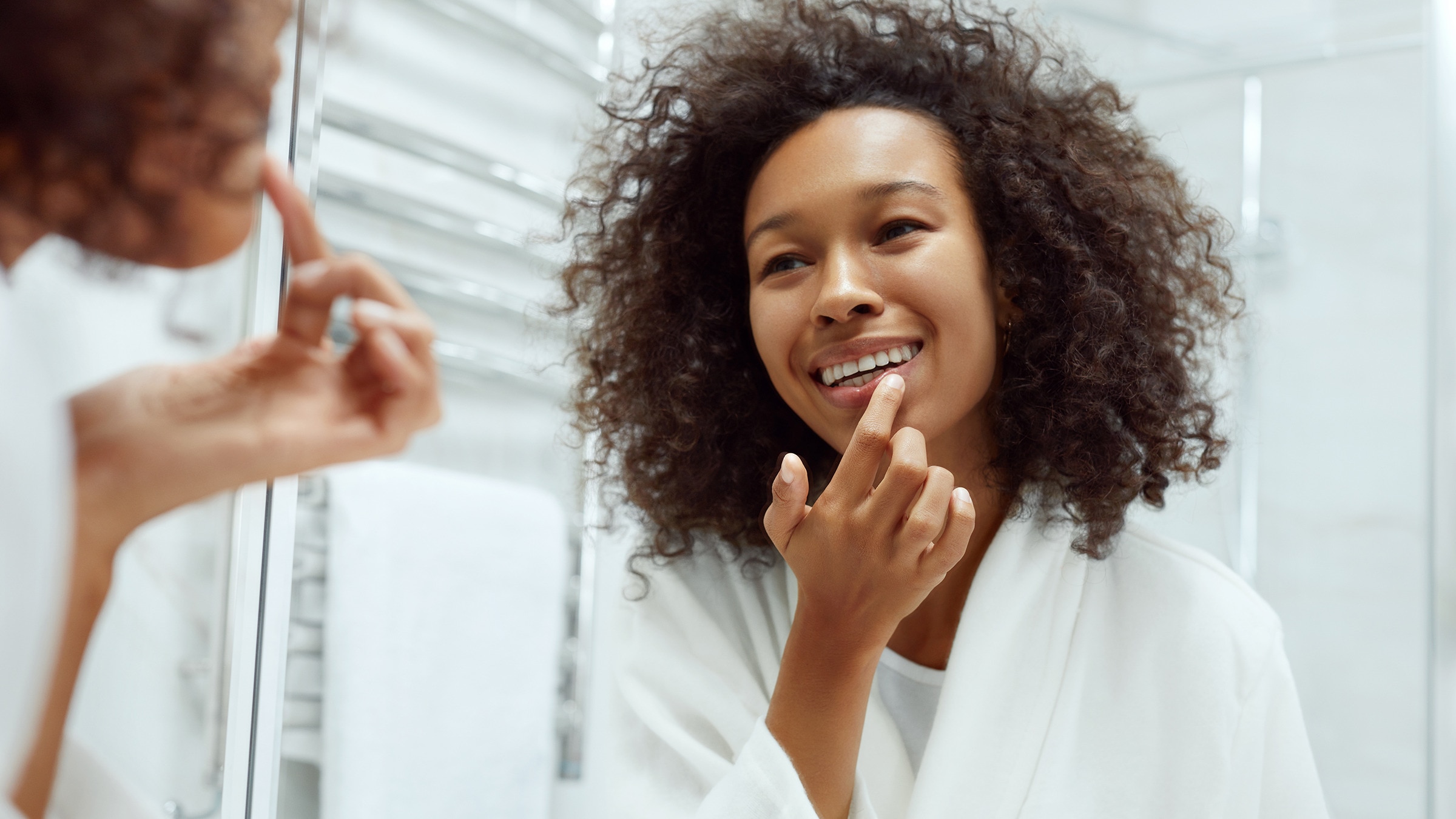
Are you constantly battling dry, chapped lips? It's a common struggle that can affect anyone, not just during winter, but all year round. Understanding the root causes of dry lips is the first step toward achieving a healthy, hydrated pout. From environmental factors to daily habits, many elements can contribute to lip dryness. This comprehensive guide will help you identify the symptoms, explore the causes, and discover effective strategies for treating and preventing dry lips, ensuring your lips stay soft and smooth.
Understanding Dry Lips: Symptoms and Causes
Dry lips can be a persistent concern, often triggered by various factors like harsh weather, dehydration, or certain lifestyle habits. Let's delve into the common reasons why your lips might be feeling dry and uncomfortable.
Common Symptoms of Dry Lips
Here are some of the most common symptoms you may experience on or around your lips:
- Dryness and tightness
- Visible scales or peeling skin
- Flaking and discomfort
- Cracks, sometimes leading to soreness
- Minor bleeding in severe cases
- Mild swelling or irritation
- Persistent soreness or tenderness
Key Takeaways for Healthy, Hydrated Lips
- Identify Causes: Understand that factors like weather, dehydration, and habits contribute to dry, chapped lips.
- Seasonal Protection: Implement specific lip care routines for both winter's dry air and summer's sun exposure.
- Daily Habits Matter: Adopt consistent practices like hydration, gentle exfoliation, and avoiding lip licking to prevent dryness.
- Choose the Right Lip Balm: Select lip balms with hydrating ingredients like petroleum jelly and SPF for effective relief and protection.
- Seek Professional Advice: Consult a dermatologist if persistent lip dryness doesn't improve with home remedies.
Understanding the Causes of Dry and Chapped Lips
Unlike other areas of our skin, our lips lack oil glands, making them inherently more susceptible to dryness and chapping. This vulnerability is further exacerbated when exposed to various environmental elements.
Why Do Lips Become Dry in Summer?
The intense summer sun and dry heat can be particularly harsh on your lips. Just like the rest of your skin, lips can get sunburned, leading to symptoms like redness, swelling, and pain. Prolonged sun exposure over time can also contribute to a condition called actinic cheilitis, typically affecting the lower lip with dryness, thinning, and fragile, thickened sores.
Why Do Lips Become Dry in Winter?
Winter's cold, dry air and indoor heating systems can strip away your lips' natural moisture. This occurs because skin tends to adapt to the moisture levels of its surrounding environment, leading to increased dryness in low-humidity conditions.
Is Licking Dry Lips a Good Idea?
While licking dry lips might seem like a quick way to add moisture, it actually has the opposite effect. The enzymes in saliva can irritate the delicate skin on your lips, leading to further dryness. Excessive lip licking can also result in a condition known as lip licker’s dermatitis, characterized by dryness, scaling, and chronic redness on and around the lips.
Effective Strategies for Preventing Dry Lips
Now that you understand the potential causes of dry lips, let's explore practical strategies and remedies to keep your lips healthy and hydrated throughout the year.

For the in-between seasons, maintaining a consistent lip care routine is essential to adapt to ever-changing weather conditions and prevent dryness.
Read next: Discover More Ways to Use Vaseline® Jelly
Essential Daily Habits for Preventing Dry Lips
Cultivating a consistent daily routine is key to maintaining soft, healthy lips and preventing dryness. Incorporate these simple yet effective habits:
How to Effectively Treat and Prevent Dry Lips
Selecting the Ideal Lip Balm for Dry, Chapped Lips
When it comes to finding effective relief for dry lips, the right lip balm can make all the difference. Here are key criteria to consider:
Essential Ingredients for Dry Lip Relief
Prioritize lip balms that feature intensely hydrating and protective ingredients. Look for components like ceramides, cocoa butter, and petroleum jelly, which are known for their ability to lock in moisture. Consider products like Vaseline® Lip Therapy® Advanced Healing Tube to help soothe and heal dry, chapped lips.

Lasting Hydration for Dry Lips
For enduring relief, choose lip balms formulated with occlusive ingredients such as petroleum jelly. These create a protective barrier that helps to soothe and heal dry, chapped lips by preventing moisture loss. Our Vaseline® Lip Therapy® Original Tin is an excellent choice for providing long-lasting moisture and promoting healthy-looking lips in any season.
Allergen Awareness: Choosing Lip Balms for Sensitive Lips
For individuals with sensitive skin, opting for fragrance-free and hypoallergenic lip balms is crucial to prevent irritation and allergic reactions.
Texture and Application: Finding Your Ideal Lip Care Product
The effectiveness of a lip balm also depends on your preference for its texture and how it feels upon application. Whether you prefer a rich, thick balm, a smooth gloss, or a lightweight serum, choose a product that feels comfortable and enjoyable to use regularly.
Long-Lasting Solutions for Extended Lip Protection
To ensure continuous hydration and protection, invest in lip balms designed for long-lasting effects. These formulations reduce the need for frequent reapplication, providing sustained relief for dry lips.
The Impact of Diet on Lip Health: Foods for Hydration
Beyond topical care, your diet plays a significant role in maintaining lip hydration. Incorporate these hydrating foods into your daily routine:
- Omega-rich sources: Include foods like fish, chia seeds, and flaxseeds to support skin barrier function.
- Water-packed fruits and vegetables: Enjoy watermelon, cucumber, and berries, which contribute to overall body hydration.
When to Seek Professional Help for Persistent Lip Dryness
If your lips remain persistently dry, chapped, or irritated despite consistent home care and various remedies, it is advisable to consult a dermatologist. Underlying issues such as allergies, specific skin conditions, or nutritional deficiencies might be contributing to the problem and require professional diagnosis and treatment.
Read next: Solving the Mystery of Dry Skin: Causes, Symptoms, and Treatment
These articles provide general tips and information about improving skin health. They have been written by health and beauty writers. They have not been written by health care professionals and, as such, don’t constitute medical advice. If you have a serious skin condition, please consult a medical professional.
Embrace a Future of Healthy, Hydrated Lips
Tackling dry lips involves a holistic approach, from understanding their causes to adopting proactive preventive measures. By integrating consistent lip care habits into your daily routine, choosing the right hydrating lip balms, and being mindful of environmental factors, you can effectively manage and prevent dryness. Say goodbye to the discomfort of chapped lips and confidently embrace a future with a vibrant, well-moisturized pout.
Frequently Asked Questions About Dry Lips
Dry and chapped lips are often caused by a combination of factors, including environmental exposure (cold, dry air, sun, wind), dehydration, frequent lip licking, and certain habits like picking at your lips. Unlike other skin on your body, lips lack oil glands, making them more vulnerable to moisture loss.
To treat severely dry lips, focus on consistent hydration and protection. Apply a thick, occlusive lip balm containing ingredients like petroleum jelly, ceramides, or shea butter multiple times a day. Avoid licking or picking your lips, ensure you're drinking enough water, and protect your lips from sun and wind with an SPF-infused balm.
Yes, Vaseline® Lip Therapy® products, which contain petroleum jelly, are highly beneficial for dry and chapped lips. Petroleum jelly creates a protective barrier on the skin, sealing in moisture and helping the lips to heal. It's an effective occlusive agent that prevents further moisture loss and soothes irritation.
For dry lips, look for lip balms with hydrating and occlusive ingredients. Key components include petroleum jelly, shea butter, cocoa butter, ceramides, and hyaluronic acid. If you're exposed to the sun, an SPF of 30 or higher is also recommended to protect against UV damage.
You should consult a dermatologist if your lips remain persistently dry, cracked, or irritated despite consistent use of lip balms and home remedies. This could indicate an underlying issue such as an allergic reaction, a skin condition like eczema, or a nutritional deficiency that requires professional diagnosis and treatment.