Skip to content

Key Takeaways for Baby Skincare:
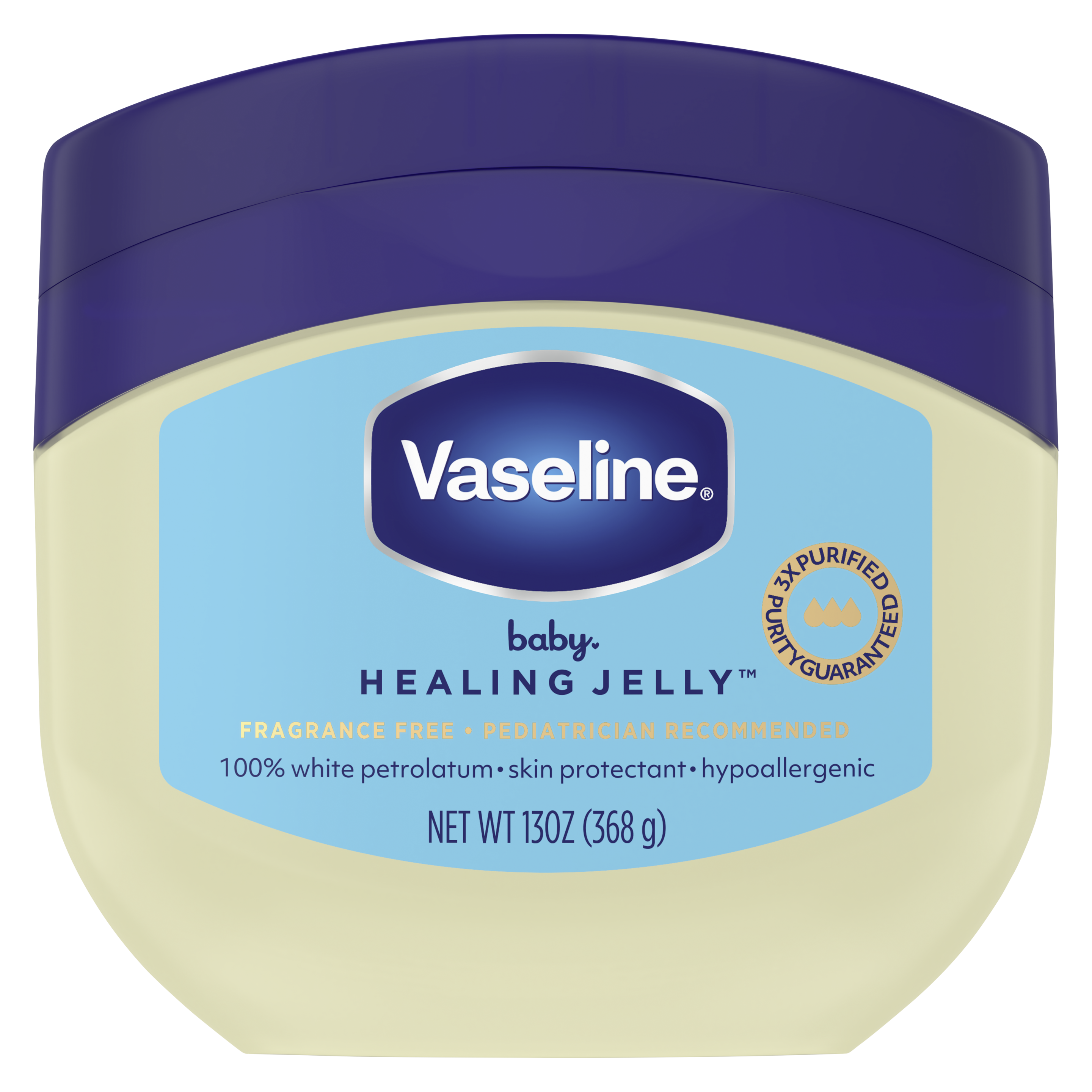
- Newborn Dry Skin Care: Bathe babies only 3 times weekly with mild soap to prevent over-drying. Apply Vaseline® Baby Healing Jelly after bathing—it's triple-purified, hypoallergenic, and seals in moisture deep down to help heal delicate newborn skin without clogging pores.
- Diaper Rash Prevention & Treatment: Change diapers frequently and apply a thin layer of Vaseline® Baby Healing Jelly to create a protective barrier against irritants. For active rash, pediatricians may recommend zinc oxide ointments combined with the protective jelly layer.
- Chapped Lips Protection: Apply a small amount of Vaseline® Jelly to baby's lips before bed to prevent drying from nighttime drooling. Use during harsh weather (sun, wind, cold) to protect lips from moisture loss—suitable for sensitive infant skin.
Understanding Newborn Dry Skin and Diaper Rash
Newborn babies have incredibly delicate skin, so a little extra care may be needed to help keep their skin looking and feeling healthy. You may notice from time to time that your baby has developed dry skin around their bottom. Always speak to your pediatrician for the best ways to manage dry skin at home.
There are some skin characteristics1 that are common in newborns, for example dry, flaky skin. The sensitive nature of a baby’s skin as it adjusts to the world outside of the womb means it can easily be irritated by soaps, the weather, and the contents of their diaper, which can sometimes lead to diaper rash.
If you’re wondering what to do for diaper rash, and newborn skin issues like dry skin and dry lips, here are some tips that may be useful. Many of these tips can be great to use as part of your daily skincare routine for your baby, even as they grow out of the newborn stage.
Practical Tips for Protecting Your Baby's Delicate Skin
Understanding and Preventing Diaper Rash
Diaper rash in newborns can be caused by a variety of factors, including friction from a tight diaper or prolonged exposure to a dirty diaper. If your baby has diaper rash, their skin will look red and irritated. If you’re wondering what to do for bad diaper rash or even just a mild diaper irritation – then you should always speak to your pediatrician. They will determine the cause and advise you on the best course of treatment.
All babies are likely to suffer with diaper rash at some point, but you can help prevent future occurrences. Diaper rash doesn’t just occur in newborns; it generally happens between the ages of 0 – 2 years, so it’s useful to always keep a jar of Vaseline® Healing Jelly in the home as your baby grows.
Whether you’re using the Vaseline® Original Healing Jelly or Vaseline® Baby Healing Jelly, our pure, hypoallergenic petroleum jelly can help you care for your newborn’s skin. By following these expert-backed tips, you can help keep your baby’s skin soft, healthy, and protected as they grow. Remember, Vaseline® Jelly offers many amazing benefits for the entire family, extending beyond the early stages of your baby’s life.
1. Arenson, J. and Drake, P. (2007) Quick Look Nursing: Maternal and Newborn Health. United States: Jones & Bartlett Learning chp. 31, pg. 203
Expert Advice
The advice in this article does not constitute medical advice, it is solely available for information purposes.
Newborn Skin Care Comparison (2026)
|
Skin Issue |
Primary Causes |
Prevention Tips |
Treatment Approach |
Recommended Product |
Application Frequency |
|---|---|---|---|---|---|
|
Dry, Flaky Skin |
Over-bathing, harsh soaps, skin adjusting to environment outside womb |
|
Moisturize after bathing to seal in moisture and help heal delicate skin |
Vaseline® Baby Healing Jelly (triple-purified, hypoallergenic, non-comedogenic) |
After each bath and as needed |
|
Diaper Rash |
Friction from tight diapers, prolonged exposure to dirty diapers, irritants |
|
Create protective barrier with thin layer of jelly; pediatrician may recommend zinc oxide ointments for active rash |
Vaseline® Baby Healing Jelly for barrier protection; zinc oxide ointments as recommended by pediatrician |
With each diaper change |
|
Chapped Lips |
Excessive nighttime drooling, harsh weather (sun, wind, cold) |
|
Apply small amount to lips to prevent moisture loss and protect against elements |
Vaseline® Jelly (pure petroleum jelly, suitable for sensitive skin) |
Before bed and during outdoor exposure |
Frequently Asked Questions About Baby Skincare
It is generally recommended to bathe newborns about 3 times per week. Bathing too frequently can strip their delicate skin of natural oils, leading to dryness. Use mild, gentle soaps or plain water, and ensure the diaper area is cleaned regularly during changes.
Yes, Vaseline® Healing Jelly Baby is specifically formulated for sensitive skin. It is triple-purified, hypoallergenic, and non-comedogenic, meaning it won't clog pores. It creates a protective barrier that helps seal in moisture and soothe delicate baby skin.
Diaper rash is commonly caused by friction from tight diapers, prolonged exposure to wet or dirty diapers, and irritation from certain soaps or wipes. Keeping the diaper area clean, dry, and protected with a barrier like Vaseline® Jelly Baby can help prevent its occurrence.
For an existing diaper rash, ensure frequent diaper changes, gently clean the area with warm water or mild wipes, pat dry, and apply a thin layer of Vaseline® Jelly Baby to create a protective barrier. Always consult your pediatrician for severe or persistent rashes, as they may recommend specific ointments.
Babies often get chapped lips due to excessive drooling, especially at night, or exposure to harsh weather conditions like wind, sun, or cold. To prevent this, apply a small amount of Vaseline® Jelly to their lips before bed and when outdoors to help retain moisture and protect against elements.
While Vaseline® Jelly is excellent for sealing in moisture and protecting the skin barrier, for specific conditions like eczema, it's crucial to consult your pediatrician or a dermatologist. They can provide a proper diagnosis and recommend the most suitable treatment plan for your baby's unique needs.
Related PRODUCTS



- slide 1
- slide 2
- slide 3
- slide 4
- slide 5