Skip to content

Key Takeaways for Even Skin Tone
- Uneven skin tone and dark spots are common concerns, often linked to melanin overproduction.
- Factors like sun exposure, dry skin, hormonal changes, and pollution can contribute to skin discoloration.
- Niacinamide (Vitamin B-3) is a powerful ingredient that helps manage uneven skin tone, brighten dark spots, and protect against environmental stressors.
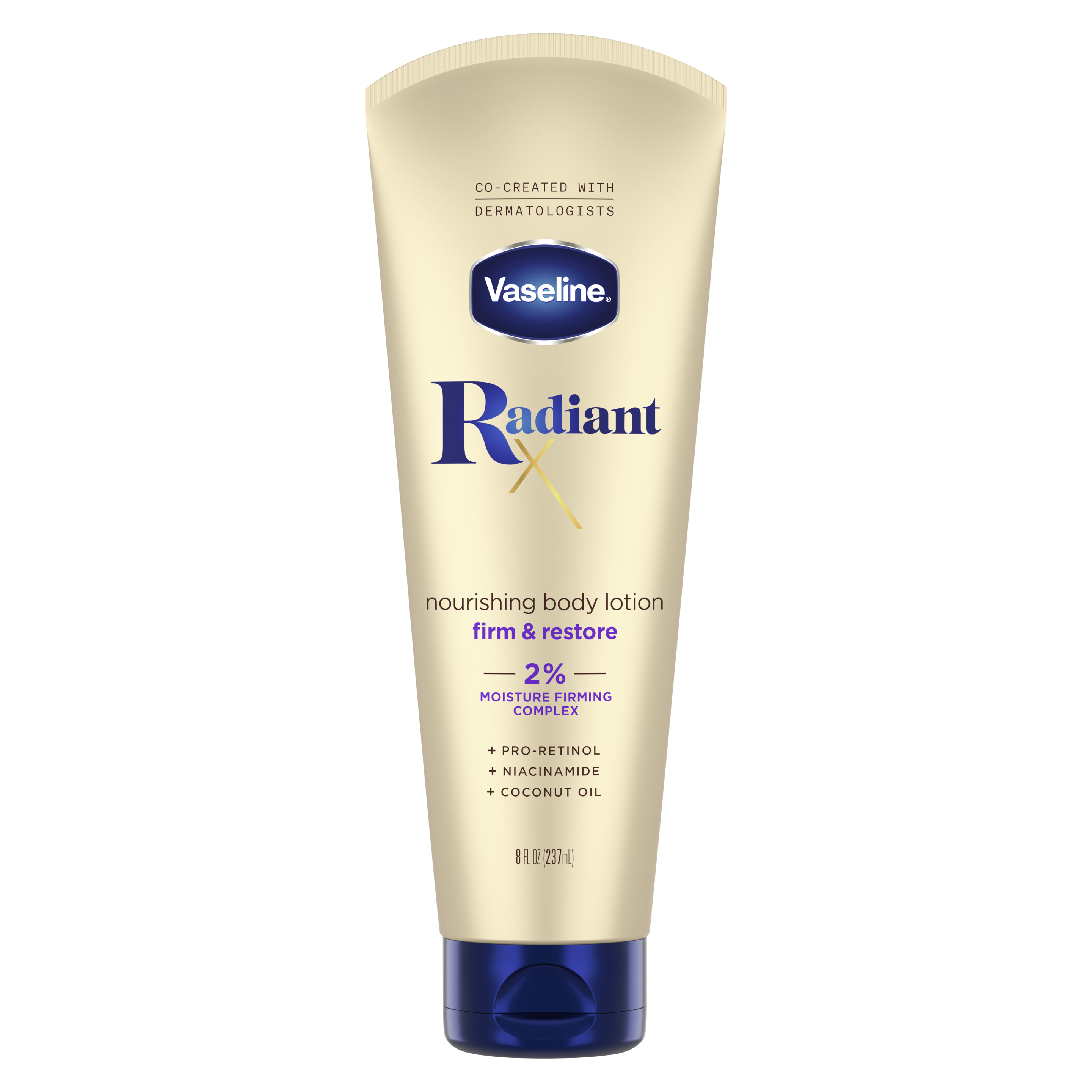
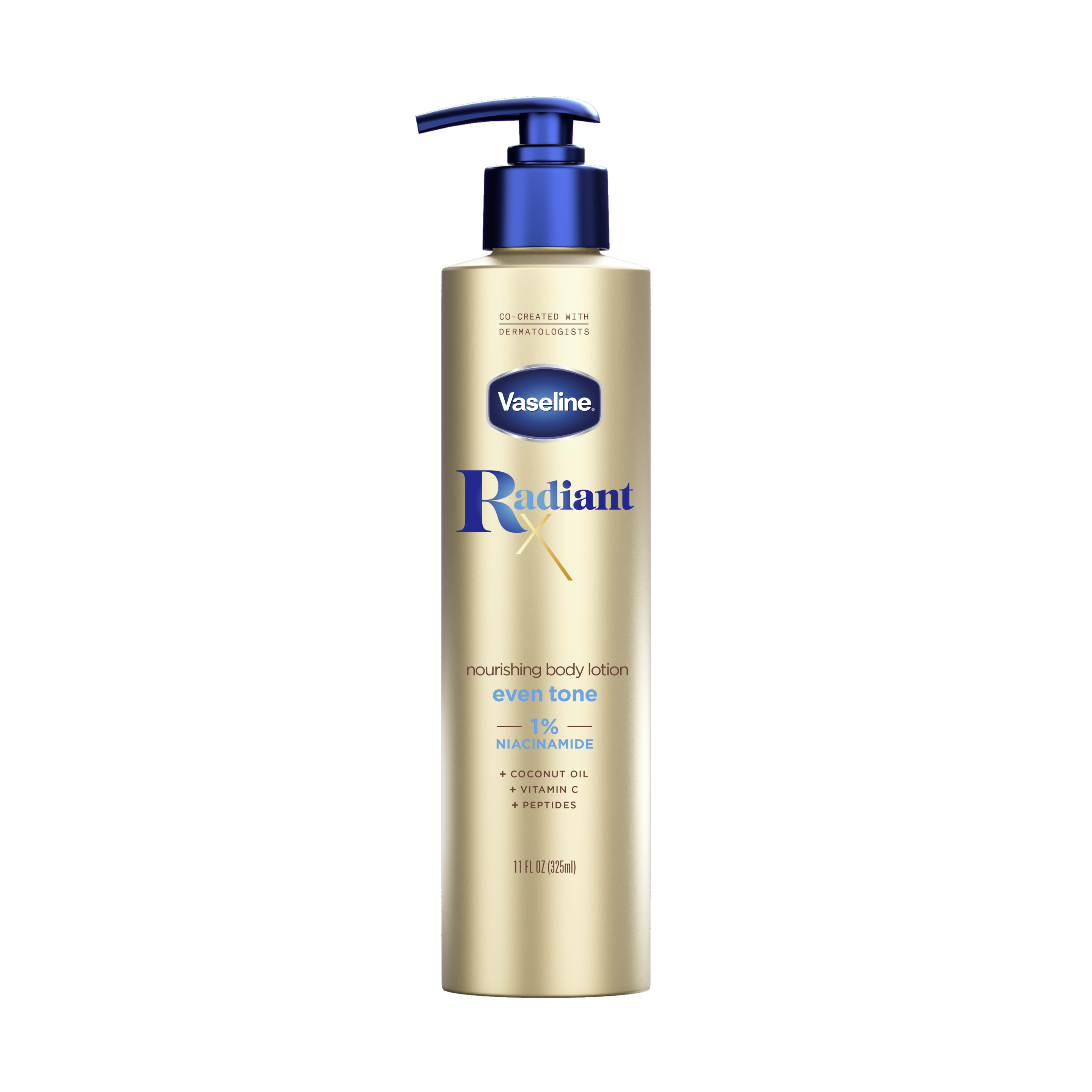
- Incorporating a niacinamide-rich body lotion, like Vaseline® Radiant X Even Tone Nourishing Body Lotion, can visibly reduce dark spots and even skin tone in as little as two weeks.
- Maintain an even skin tone by gently cleansing, moisturizing, protecting with sunscreen, and regular exfoliation.
Do you find yourself struggling with uneven skin tone and discoloration? You are not alone. Dark skin spots are more common than you think. But don’t worry, there is advice you can follow and products out there that help you achieve gorgeously soft, radiant and even-toned skin.
We’ve put together this simple guide with everything you need to know about dark spots and how to achieve a more even skin tone. Plus, discover expert advice on how the right products can help you get even-toned skin, like our Vaseline® Radiant X Even Tone Nourishing Body Lotion with niacinamide.
What is an uneven skin tone?
Certain skin conditions and lifestyle factors can cause some sections of your skin to appear darker than the rest of your complexion, resulting in an uneven skin tone. And melanin — a natural pigment produced by melanocyte cells in our skin — can play a role in this.1
Everyone has a similar amount of the melanocyte cells that produce melanin, but it’s the quantity of melanin that these cells produce that varies from person to person. The more melanin your skin produces, the darker your skin.
When the skin produces excess melanin, it can clump into one area and cause the specific area(s) of the skin to appear darker2. This overproduction can be caused by multiple factors, including sun exposure, pollutants, scratches, and skin inflammation and irritation.
“Those with deeper skin tones are often more prone to hyperpigmentation, such as dark spots and uneven skin tone, given they have more melanin in their skin. When trauma occurs, this can lead to increased melanin production or melanin deeper in the skin layers, and therefore hyperpigmentation,” Dermatologist Dr. Caroline Robinson explains.
Dark spots commonly develop on parts of the body that are usually more exposed to sun, such as the face, neck, hands, and arms. They can also be caused by friction and a build-up of dead skin cells, which commonly affect the elbows and knees3.
Although dark spots and discoloration are not usually a cause for concern, achieving an even skin tone can certainly help boost one’s confidence in their skin’s appearance.
What causes overproduction of melanin?
The overproduction of melanin that leads to uneven skin tone has many causes, both inside and outside of our bodies, including:
Sun exposure
One of the most common environmental stressors that can cause uneven skin tone is sun exposure, especially when sunscreen is not worn regularly across the body. The sun emits rays that can cause an uneven production of melanin within the body. This in turn can lead to an uneven coloration of the skin4.
Dry skin
Dry skin can also lead to hyperpigmentation due to the skin barrier becoming compromised and unable to retain adequate water and oil. This can lead to itching and a rash, which can contribute to dark spots.
Read next: How to Achieve Gorgeously Soft and Radiant Skin From Home
Hormonal changes and fluctuations
Hormone fluctuations can contribute to an uneven skin tone. This is why some pregnant women may begin to experience an increased level of skin discoloration due to significant endocrinological changes6 .
Pollution
There is a growing body of research that suggests environmental pollution can play a part in skin discoloration. This is because nanoparticles of air pollution can enter the skin and trigger chemical processes that can age it7.
The mighty ingredient: What is niacinamide?
If creating a more even skin tone while nourishing your skin sounds like #SkinGoals for you, niacinamide might be the secret tool you are looking for!
Niacinamide is a type of Vitamin B-3 with several potential benefits for your skin. Not only can niacinamide help you to manage an uneven skin tone and brighten dark spots but it can also help to prevent the production of fine lines and wrinkles over time6,7 .
Want fast results? Good news! Dr. Robinson shares that niacinamide is "clinically proven to even skin tone in just two weeks when used regularly."
How does niacinamide work with your skin?
Now, you may be wondering how niacinamide works to transform your skin. Dr. Robinson explains that niacinamide "is essential to over 200 enzymatic reactions in the human body. It’s a trusted ingredient to help with skin hydration, the look of pores, and evening skin tone."
It can also help to protect your skin from environmental stressors by helping to build and maintain skin cells that protect you from external aggressors. This in turn can help reduce sun damage and skin dryness, as well as help even skin tone and slow down the production of fine lines and wrinkles6.
"Because of its many skin benefits, [niacinamide] has become an important key ingredient in skincare products like Vaseline® Radiant X Even Tone Nourishing Body Lotion that includes 1% niacinamide. Higher percentages of niacinamide can be irritating to certain people, therefore a 1% formula was developed," explains Dr. Robinson.
Read next: Skin-Loving Body-Care Ingredients that Help Boost Overall Skin Health and Appearance
How to Care for Uneven Skin Tone and Dark Spots
Will you be adding niacinamide to your skincare routine to nourish and even your skin tone over time? Share your journey with us @VaselineBrand for a chance to be featured.
These articles provide general tips and information about improving skin health. They are written by health and beauty writers. They are not written by health care professionals and, as such, don’t constitute medical advice. If you have a serious skin condition, please consult a medical professional.
References
1. https://www.healthline.com/health/hyperpigmentation#prevention
2. https://www.mayoclinichealthsystem.org/hometown-health/speaking-of-health/seeing-spots-treating-hyperpigmentation
3. https://www.webmd.com/skin-problems-and-treatments/what-to-know-dark-knees
4. https://www.mayoclinic.org/healthy-lifestyle/adult-health/multimedia/sun-damage/sls-20076973
5. https://www.healthline.com/health/hyperpigmentation-in-dry-weather#dry-weather-effects
6. https://www.ncbi.nlm.nih.gov/pmc/articles/PMC3183040
7. https://jddonline.com/can-pollution-cause-melasma-and-facial-hyperpigmentation
8. https://www.healthline.com/health/beauty-skin-care/niacinamide
Embrace Your Journey to Even-Toned Skin
Achieving a more even skin tone and reducing the appearance of dark spots is a journey that combines understanding your skin's needs with consistent care. By incorporating key ingredients like niacinamide, protecting your skin from environmental stressors, and maintaining a gentle routine, you can foster a radiant and confident complexion. Remember, every step you take towards nurturing your skin is a step towards celebrating your unique beauty.
Frequently Asked Questions About Uneven Skin Tone
Dark spots and uneven skin tone often result from an overproduction of melanin, the pigment that gives skin its color. Common triggers include sun exposure, dry skin, hormonal fluctuations, and environmental pollution. Trauma or inflammation to the skin can also lead to increased melanin production.
Niacinamide, a form of Vitamin B-3, is known to help manage uneven skin tone by supporting the skin's barrier function and reducing the appearance of dark spots. It also aids in protecting the skin from environmental stressors and can contribute to a more radiant complexion over time.
Yes, products like Vaseline® Radiant X Even Tone Nourishing Body Lotion are specifically formulated with ingredients like 1% niacinamide to visibly reduce dark spots and promote a more even skin tone. These products are designed to nourish and moisturize, supporting overall skin health.
The time it takes to see results can vary depending on the individual and the product used. For instance, some niacinamide-containing products are clinically proven to show visible improvements in skin tone in as little as two weeks with regular use. Consistency is key for optimal results.
Absolutely. Sun protection is critical. UV exposure can trigger and worsen hyperpigmentation. Daily use of broad-spectrum sunscreen, along with protective clothing, helps prevent new dark spots from forming and supports the effectiveness of other skin-evening treatments.