Skip to content


Eczema, also known as dermatitis, can cause significant discomfort, especially when it affects sensitive areas like the hands and feet. Characterized by dry, itchy, and sometimes cracked skin, managing eczema requires a gentle yet effective approach. This article explores practical strategies and helpful tips to care for eczema on hands and feet, providing insights into understanding its triggers and maintaining skin health. Discover how to soothe dry, cracked hands and feet, and learn about supportive skincare routines that can help bring comfort and confidence back to your skin.
Key Takeaways for Managing Eczema on Hands and Feet
- Understand Eczema Triggers: Identify and minimize exposure to factors like harsh chemicals, stress, and certain climates that can exacerbate eczema on hands and feet.
- Gentle Skincare is Essential: Adopt a routine that includes mild cleansers, short warm showers, and immediate, consistent moisturizing to protect your skin barrier.
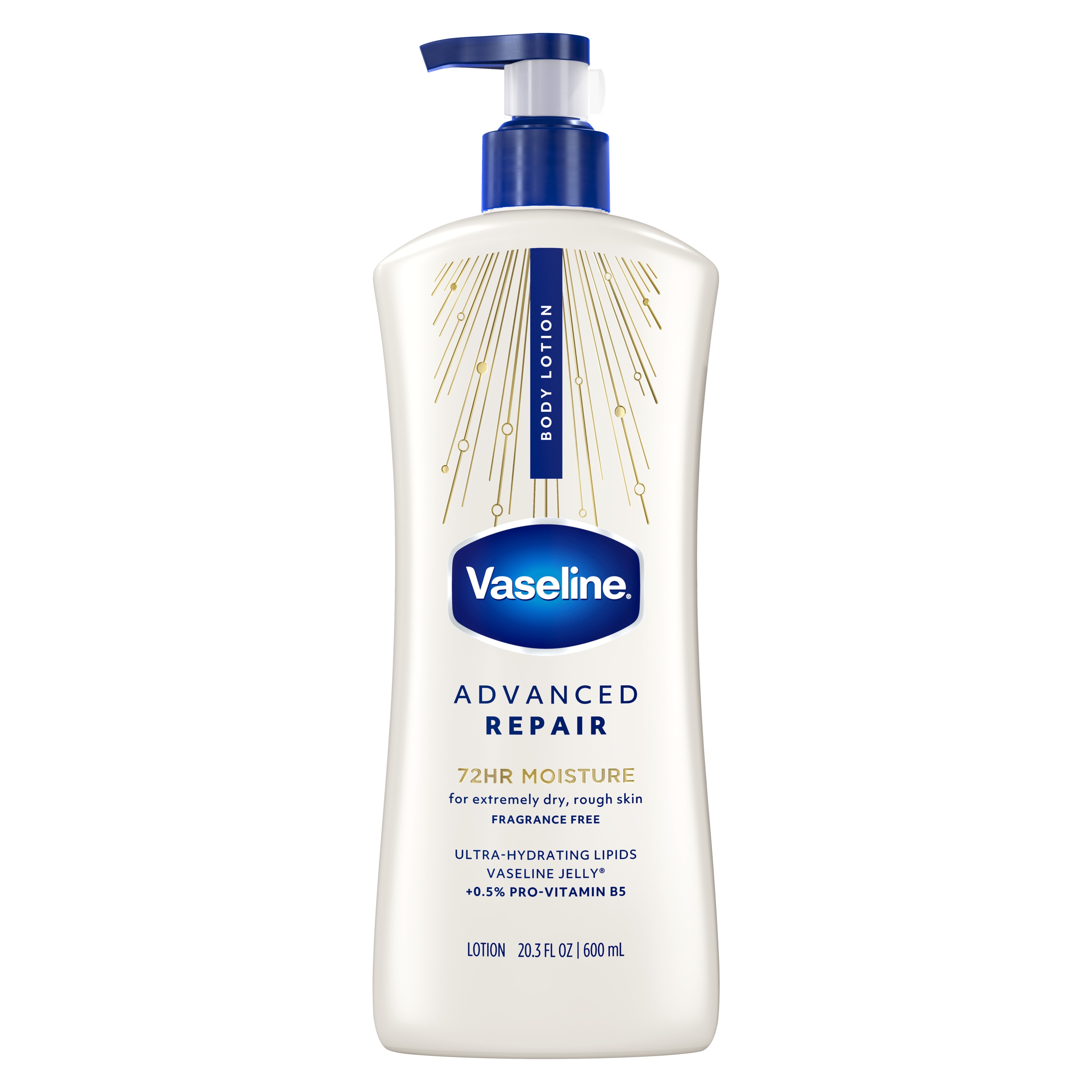
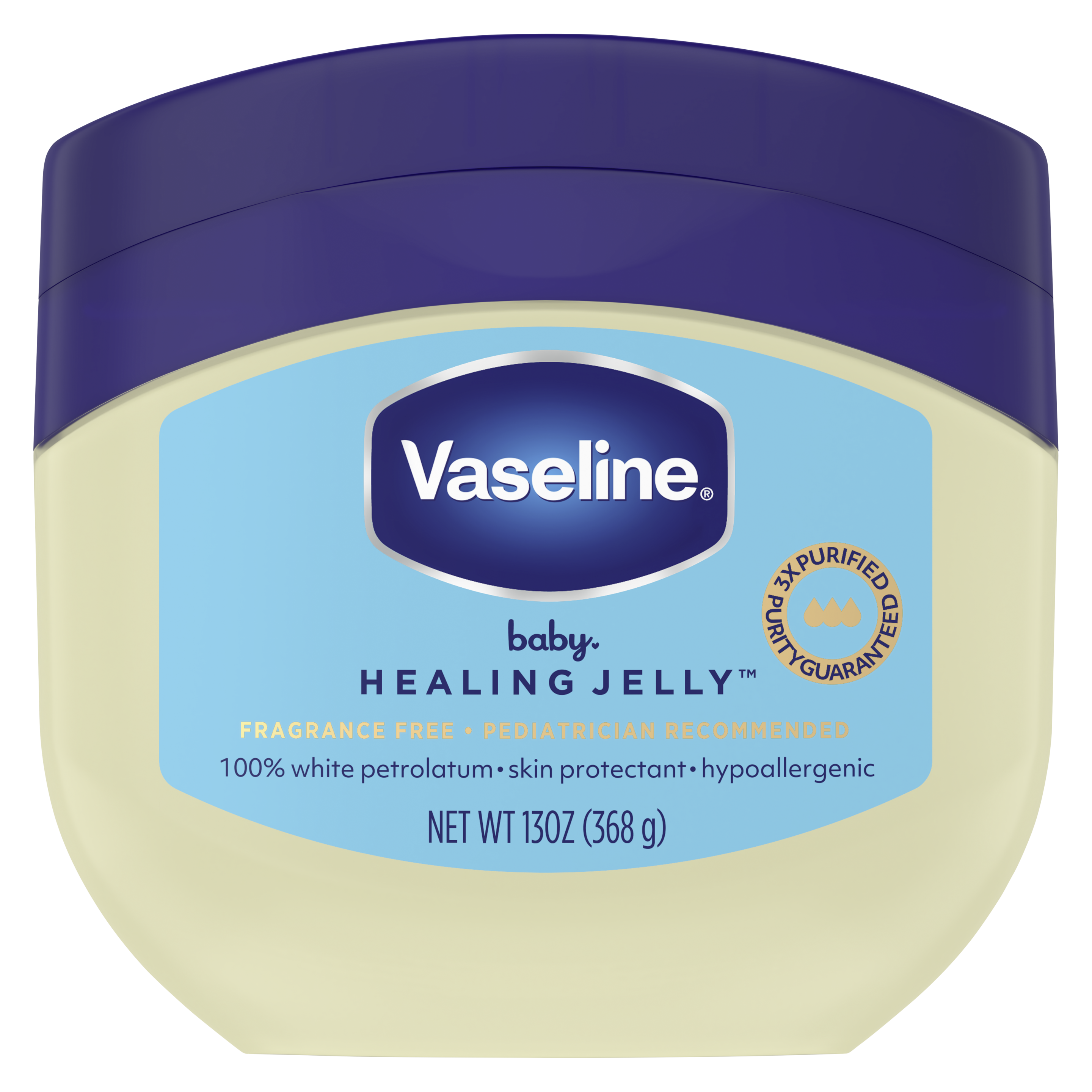
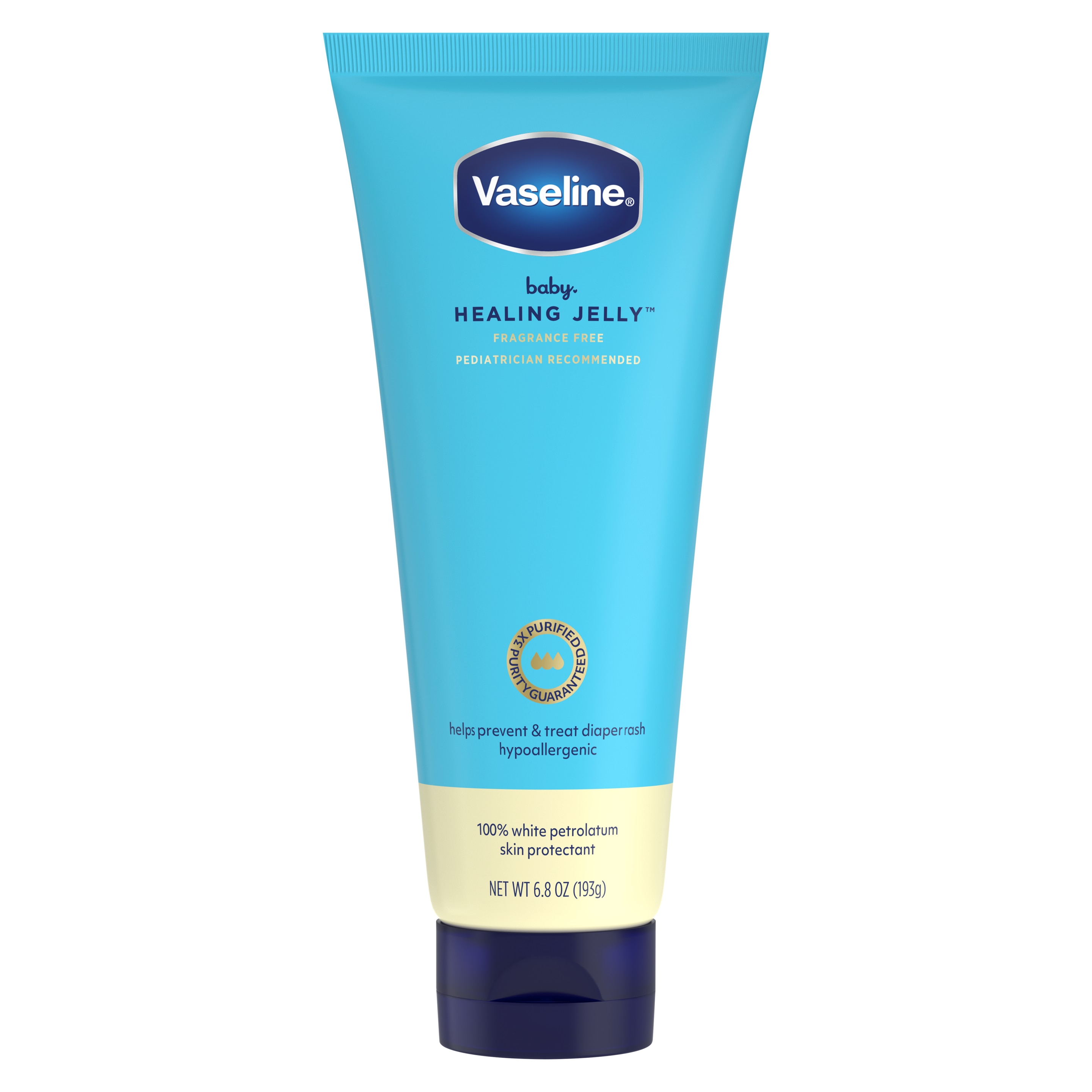
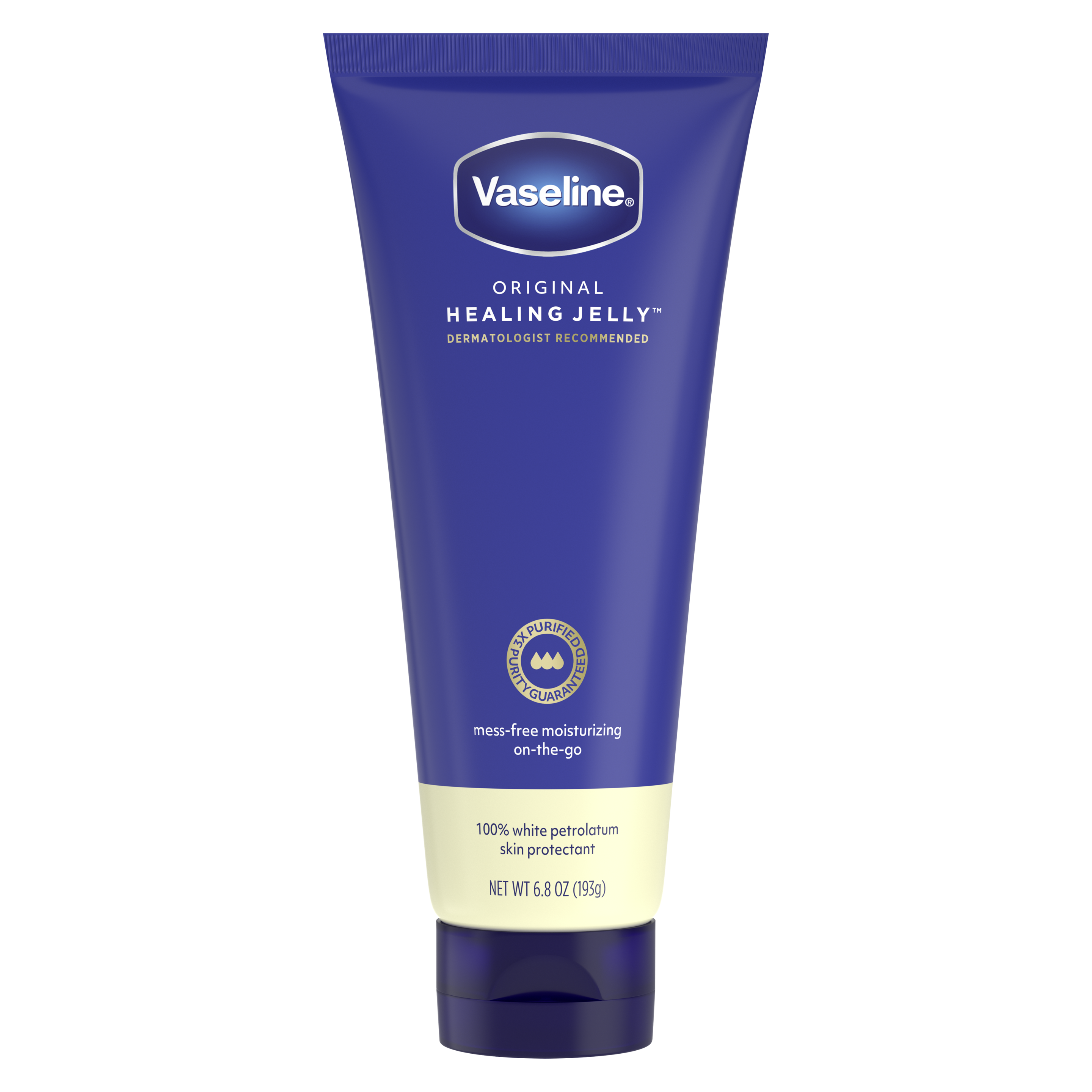
- Moisturize Regularly: Use a rich, sensitive-skin-friendly moisturizer like Vaseline® Jelly or Vaseline® Advanced Repair Lotion to lock in moisture and support healing for dry, cracked hands and feet.
- Avoid Scratching: Resist the urge to scratch affected areas to prevent further irritation and potential infection, focusing instead on soothing relief.
- Seek Professional Advice: Consult a dermatologist for personalized diagnosis and treatment plans, especially for persistent or severe eczema symptoms.
- Maintain a Healthy Lifestyle: Incorporate stress-reducing activities and wear protective clothing like cotton socks to support overall skin health and minimize flare-ups.
Understanding Eczema on Hands and Feet
Eczema, medically known as dermatitis, describes various forms of skin inflammation1. It often manifests as itchy, red, and dry skin, which can sometimes become cracked and painful. While eczema can affect any part of the body, the hands and feet are particularly susceptible due to frequent exposure and use.
The origins of eczema are diverse, ranging from genetic predispositions to environmental factors like stress or an overactive immune response2. Cold, dry climates can strip the skin of essential moisture, worsening eczema symptoms. Furthermore, individuals who experienced eczema in childhood may find themselves more prone to it in adulthood.
Daily routines can also contribute to eczema flare-ups. For instance, prolonged exposure to moisture or wearing latex gloves can make hands more vulnerable to eczema. Similarly, regular contact with harsh chemicals, solvents, and detergents can heighten the risk of developing eczema on hands and feet. Consulting a healthcare professional can help identify specific triggers and develop a personalized skincare regimen to manage flare-ups effectively3.
For those managing eczema or similar dry, irritated skin conditions, maintaining a robust skin barrier is crucial. Products like Vaseline® Deep Moisture Jelly are formulated to moisturize and protect, helping to strengthen your skin's natural barrier and keep it hydrated. Explore more ways to nurture Healthy Skin with our range of lotions and moisturizers.
Effective Strategies for Eczema Care on Hands and Feet
When managing eczema on hands or feet, it's important to avoid scratching to prevent further irritation. For soothing dry skin symptoms, consider treating and protecting your hands with Vaseline® Advanced Repair Unscented Body Lotion. Its formula, with micro-droplets of Vaseline® Jelly, offers a non-greasy feel and helps relieve severely dry skin on both hands and feet. Discover more about the causes and effective management of Dry Skin and Itchy Skin through our comprehensive articles.
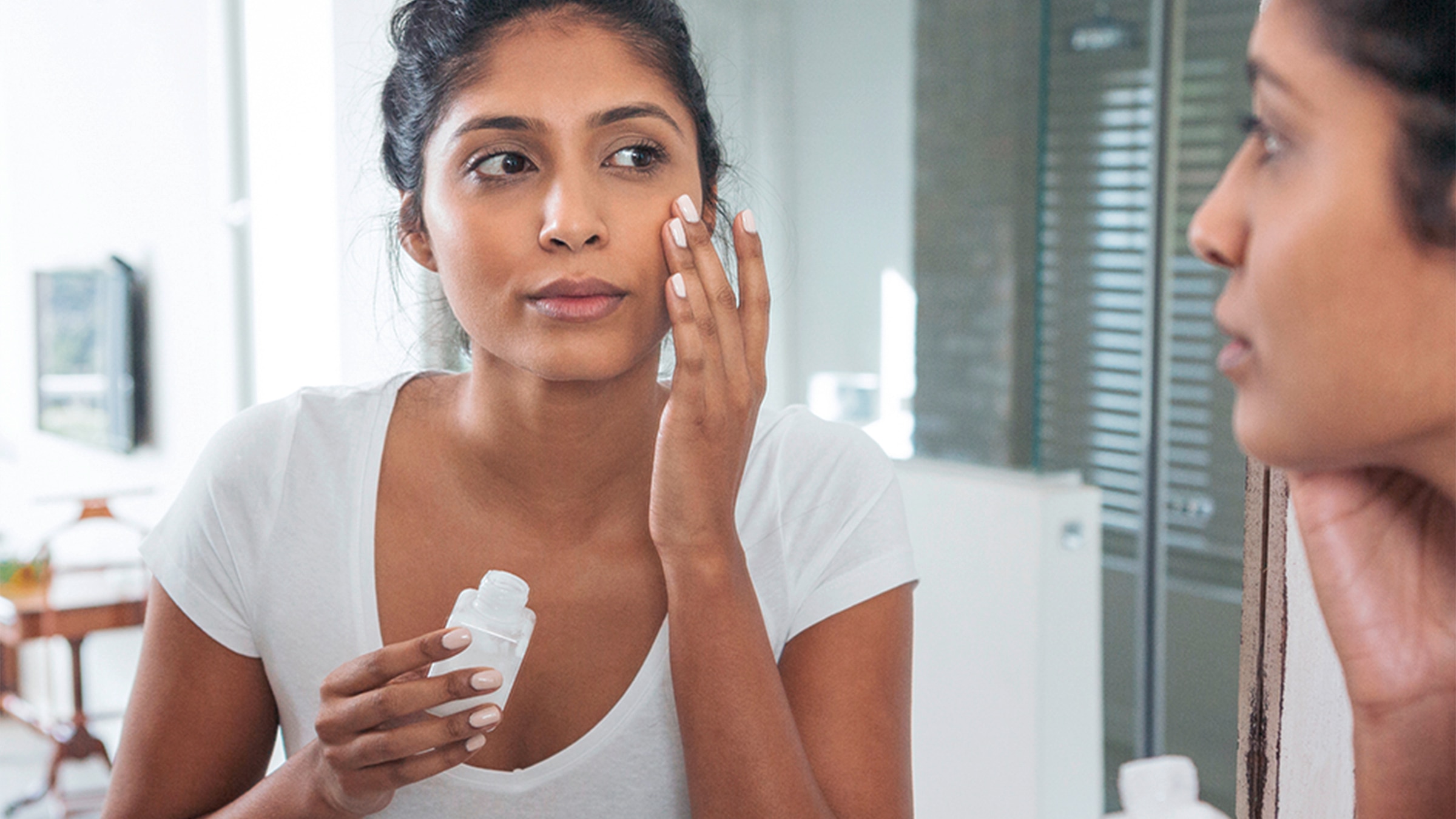
For persistent or severe eczema on hands and feet, consulting a dermatologist is highly recommended. A specialist can accurately diagnose your condition, identify specific triggers, and recommend the most effective treatment plan. Options may include over-the-counter remedies, prescription medications, or even light therapies for more challenging cases.
While occasional dry skin is common, the development of scaly and thickened skin, particularly on the hands and feet, can be a key indicator of eczema. Early intervention and consistent care are vital for managing symptoms and improving skin comfort.
1. https://medlineplus.gov/eczema.html
2. https://www.webmd.com/skin-problems-and-treatments/eczema/understanding-eczema-basics
3. https://www.aad.org/public/diseases/eczema/hand-eczema
Expert Advice
The advice in this article does not constitute medical advice, it is solely available for information purposes.
Embrace Comfort for Eczema-Prone Hands and Feet
Managing eczema on your hands and feet involves a combination of understanding your triggers, adopting a consistent and gentle skincare routine, and seeking professional guidance when needed. By prioritizing hydration, protecting your skin from irritants, and utilizing trusted products like Vaseline® Jelly, you can significantly improve the comfort and appearance of your skin. Remember, healthy skin is a journey, and with the right care, you can confidently navigate the challenges of eczema.
Frequently Asked Questions About Eczema on Hands and Feet
Eczema on hands and feet can be triggered by a combination of genetic factors, environmental irritants like harsh soaps or chemicals, stress, and even prolonged exposure to water or certain materials like latex. Cold, dry weather can also exacerbate symptoms.
Yes, Vaseline® Jelly and Vaseline® Advanced Repair Lotions are often recommended for eczema. They create a protective barrier on the skin, helping to lock in moisture and support the skin's natural healing process, which is crucial for dry, cracked, and itchy eczema-prone skin.
To soothe itchy palms and feet, avoid scratching and instead apply a thick, emollient moisturizer like Vaseline® Jelly. Cool compresses can also provide temporary relief. Keeping your skin hydrated and protected from irritants is key to reducing itchiness.
Treating dry, cracked hands with eczema involves gentle cleansing, immediate and consistent moisturizing with a rich cream or ointment, and protecting your hands from irritants. Wearing cotton gloves after moisturizing, especially overnight, can also help.
While not a direct cause, diet and stress can certainly influence eczema flare-ups. Some individuals find that certain foods can trigger their symptoms, and high stress levels are known to worsen eczema. Managing stress through relaxation techniques and identifying potential dietary triggers can be beneficial.
It's advisable to consult a dermatologist if your eczema symptoms are severe, persistent, interfere with your daily life, or if you suspect an infection. A doctor can provide an accurate diagnosis and prescribe stronger treatments if necessary.
Discover More Articles on Skin Health



Explore Vaseline® Products for Eczema Care

- slide 1
- slide 2
- slide 3
- slide 4
- slide 5