Skip to content


Key Takeaways: Mastering Winter Skincare
- Winter Dryness Causes: Cold air holds less moisture, and indoor heating reduces humidity levels, causing the skin's outer layer (stratum corneum) to dry out. This affects face, hands, body, and lips differently.
- Daily Moisturizing: Apply moisturizer twice daily (morning and evening) within minutes of bathing to trap existing moisture. Choose formulas with humectants, occlusives, and emollients for maximum hydration and barrier protection.
- Overnight Treatment: Apply body lotion or Vaseline® Healing Jelly before bed to allow skin to absorb moisture overnight. For face, try slugging by sealing skincare products with a thin petroleum jelly layer.
- Gentle Cleansing: Avoid hot water and harsh soaps—wash hands and body with warm water and mild cleansers. Limit showers to 8 minutes maximum to prevent stripping skin's natural oils.
- Prevention Methods: Use humidifiers to counteract dry indoor heating, wear gloves outdoors, apply SPF 30 daily, and switch to heavier creams in winter. Exfoliate only once or twice weekly to avoid barrier damage.
- Seek Medical Help: Consult a board-certified dermatologist if dry skin shows signs of infection, persistent redness, swelling, or if you have underlying conditions like eczema or psoriasis that worsen in winter.
Understanding Winter Dry Skin: Causes and Symptoms
As temperatures drop, many wonder, why is my skin so dry in winter? The answer lies in the environment. Cold air naturally holds less moisture, leading to reduced humidity levels both outdoors and indoors, especially with heating systems running. This dry air actively draws moisture from your skin's outermost layer, the stratum corneum, making it prone to dryness.
Common Symptoms of Winter Dry Skin
The most common signs of dry skin include irritation, flakiness, roughness, and persistent itchiness. You might also experience stinging, or notice visible cracks and scales on the skin's surface. Dryness manifests differently across the body; for instance, dry hands may feel itchy with fine lines, facial skin can feel tight and uncomfortable, and feet might become rough and cracked. If you have existing conditions like psoriasis or eczema, winter conditions can significantly worsen these symptoms, making effective cold weather skincare crucial.
Effective Skincare Strategies for Winter Dry Skin

Understanding Moisturizer Ingredients for Dry Skin
Effective moisturizers typically contain a blend of restorative ingredients. Humectants, like glycerin or hyaluronic acid, draw moisture from the environment and bind it to the skin's surface. Occlusives, such as petroleum jelly or shea butter, form a protective barrier to prevent transepidermal water loss, sealing in hydration. Emollients, including ceramides and fatty acids, help to repair damaged skin cells and improve skin's texture, contributing to a smoother, more supple feel. Choosing a moisturizer with these components can significantly improve your skin's ability to retain moisture during the dry winter months.
The Importance of Gentle Exfoliation
While exfoliation can help shed dead skin cells and promote cell turnover, it's crucial to approach it with caution, especially during winter. Over-exfoliation, whether mechanical or chemical, can compromise your skin's natural barrier, leading to increased dryness and irritation. As board-certified dermatologist Dr. Mona Gohara advises, "Respect the barrier, and do not scrub off healthy skin cells." Aim for gentle exfoliation once or twice a week, always followed by a nourishing moisturizer, to support healthy skin without causing further dryness.
When to Seek Professional Advice for Dry Skin
While many cases of winter dry skin can be managed with at-home care, it's important to recognize when professional medical attention is needed. As Dr. Gohara highlights, "Sometimes dry skin is a sign of some other issue such as eczema, psoriasis, or a thyroid imbalance." If your dry skin symptoms persist, worsen, or show signs of infection, such as increased redness, swelling, or pain, it's advisable to consult a board-certified dermatologist. A professional assessment can help identify underlying causes and recommend appropriate treatments to alleviate the problem effectively.
Protecting Your Hands from Winter's Harshness
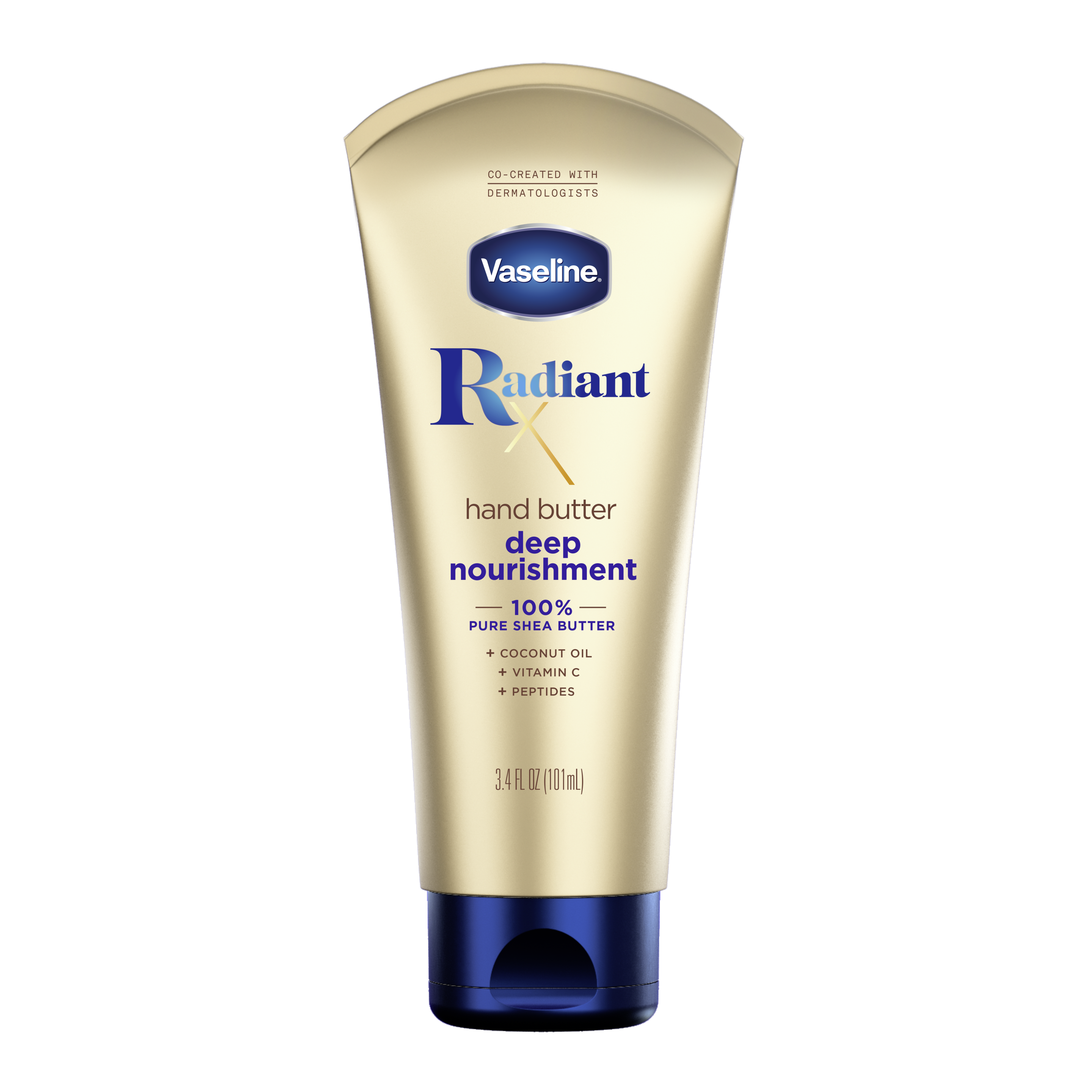
Your hands are particularly vulnerable to winter dryness due to frequent washing and exposure to cold, dry air. Harsh hand hygiene products and excessively hot water can damage the top layer of the skin, reducing its natural water-binding capacity. Opt for mild, hydrating soaps and lukewarm water when washing your hands. Immediately follow with a rich hand cream or butter, like Vaseline® Radiant X Deep Nourishment Hand Butter, to replenish moisture and protect the skin barrier.
Caring for Delicate Winter Lips
The skin on your lips is significantly thinner and lacks sweat or oil glands, making them highly susceptible to chapping and dryness in winter. Unlike other areas of your body, lips cannot self-replenish moisture, necessitating consistent external hydration. Using a nourishing lip balm, such as the Vaseline® Lip Therapy® Aloe Vera Stick, provides essential hydration and creates a protective barrier to lock in moisture. It's also crucial to avoid licking your lips, as saliva contains digestive enzymes that can further strip moisture, leaving them drier than before. For more comprehensive lip care, explore our guide: Lip Care 101: Discover Your New Lip Care Routine.
Choosing the Right Moisturizer for Winter Dry Skin
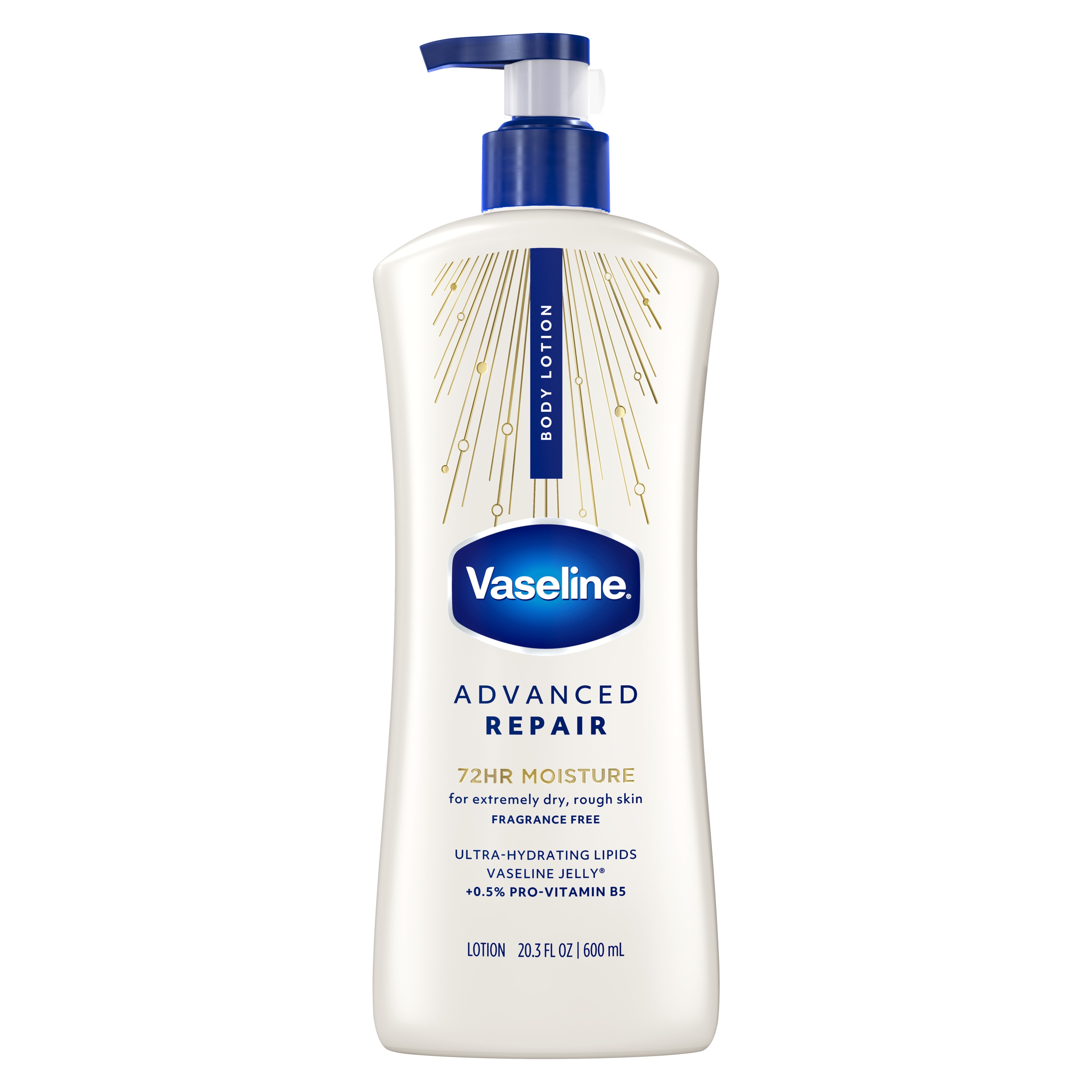
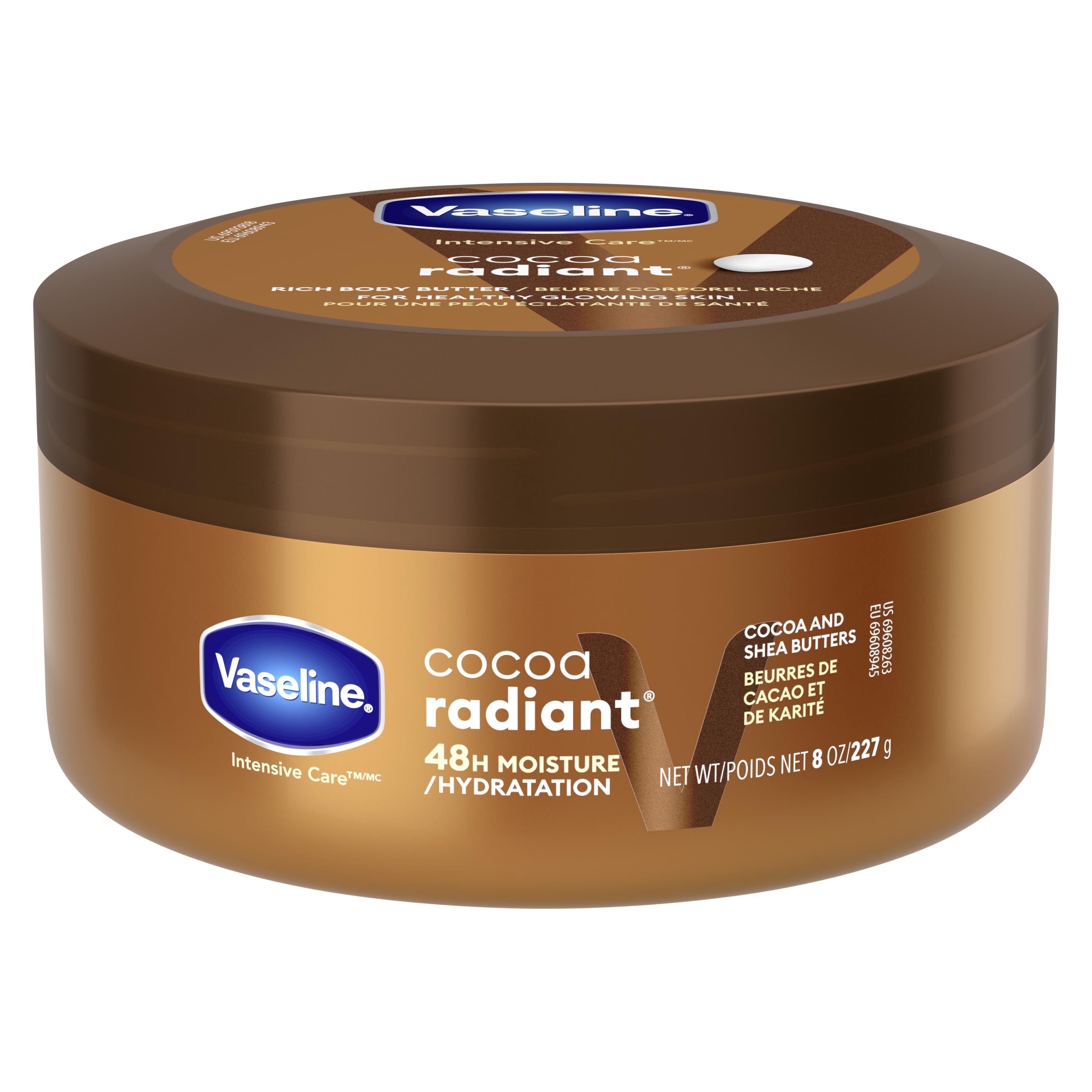
Selecting the ideal moisturizer for winter dry skin depends on your personal preferences and specific skin needs. Lotions, being lighter, are suitable for mild dryness, while richer creams are often a better choice for very dry skin. Consider formulas that are non-greasy for quick absorption, like the Vaseline® Intensive Care™ Advanced Repair Unscented Lotion, which is also unscented to prevent irritation on sensitive skin. For those who prefer a comforting scent, the Vaseline® Intensive Care™ Cocoa Body Butter offers a warm fragrance and a rich, buttery texture to soothe cold weather-induced dryness.
Maximizing Skin Hydration: Application Tips
To achieve the fastest and most effective skin hydration, apply your chosen moisturizer within minutes of drying off after a shower, bath, or washing your face and hands. This technique helps to trap existing moisture in the skin. Dr. Gohara advises, "You should pat, and not rub the skin dry with a soft cotton towel and then apply your favorite moisturizer. This locks in the ambient humidity and the water from slightly damp skin." This simple step significantly boosts your skin's ability to absorb and retain moisture, making your skincare routine more impactful.
Preventing Winter Dry Skin: Lifestyle Adjustments
Beyond daily moisturizing, making a few strategic lifestyle adjustments can significantly help prevent rough, scaly skin during the colder months. These proactive steps focus on protecting your skin barrier and maintaining optimal hydration levels.
Adapting Your Skincare Routine for Winter
As seasons shift, so should your skincare approach. Replace harsh, foaming cleansers with creamier, hydrating alternatives. As Dr. Gohara suggests, "The key is to use a hydrating, non-soap cleanser that will deposit moisture as it does its job." Look for ingredients like ceramides or other skin-identical lipids. Additionally, consider switching to richer, heavier creams during winter, opting for fragrance-free formulas if you have sensitive skin to minimize irritation.
Mindful Showering Habits
While a long, hot shower might feel comforting in winter, it can be detrimental to your skin. Dr. Gohara advises limiting showers to no more than 8 minutes and using warm, rather than hot, water. Hot water strips the skin of its natural oils, exacerbating dryness. Shorter, lukewarm showers help preserve your skin's moisture barrier.
Year-Round Sun Protection
Even in winter, UV rays are present and can contribute to skin dryness and damage. It's essential to apply a broad-spectrum SPF 30 sunscreen daily, regardless of the weather, to protect your skin from harmful UV exposure.
Counteracting Indoor Dryness with Humidifiers
Indoor heating systems, while providing warmth, drastically reduce humidity levels, which can worsen dry skin and compromise your skin barrier. Investing in a humidifier for your home can significantly help. "Humidifying the air can help to soften the skin and cushion the excess heat blow to the skin barrier," explains Dr. Gohara. This simple device adds much-needed moisture back into the air, benefiting your skin.
While winter and dry skin often go hand-in-hand, these preventative measures can make a significant difference. However, always seek medical advice if your dry skin changes rapidly, shows signs of infection, redness, or swelling.
These articles provide general tips and information about improving skin health. They have been written by health and beauty writers. They have not been written by health care professionals and, as such, don’t constitute medical advice. If you have a serious skin condition, please consult a medical professional.
Embrace Winter with Hydrated, Healthy Skin
Navigating the colder months doesn't have to mean battling dry, uncomfortable skin. By understanding the unique challenges winter presents and adopting a proactive skincare routine, you can maintain optimal hydration and protect your skin's natural barrier. From choosing the right moisturizers and gentle cleansing habits to incorporating protective measures like humidifiers and daily SPF, these expert tips empower you to keep your skin feeling soft, smooth, and resilient all season long. Prioritize your skin's health this winter and enjoy a season of comfort and confidence.
Frequently Asked Questions About Winter Dry Skin
Winter air naturally holds less moisture, leading to lower humidity levels both outdoors and indoors, especially with heating systems running. This dry environment actively draws moisture from your skin's outermost layer, causing it to become dry, flaky, and irritated. This phenomenon is often referred to as seasonal dryness.
The best moisturizer for dry winter skin typically contains a blend of humectants (like glycerin), occlusives (like petroleum jelly or shea butter), and emollients (like ceramides). Richer creams are generally more effective than lotions for very dry skin. Products like Vaseline® Healing Jelly Original are highly recommended for their occlusive properties, helping to seal in moisture effectively.
For optimal hydration during winter, it's recommended to moisturize your skin at least twice a day: once in the morning and once in the evening. Applying moisturizer within minutes of showering or washing your face helps to trap existing moisture, maximizing its effectiveness and keeping your skin supple throughout the day and night.
Yes, hot showers can significantly worsen winter dry skin. Hot water strips your skin of its natural oils, which are crucial for maintaining its protective barrier and retaining moisture. To prevent this, limit your showers to 8 minutes or less and use lukewarm water instead of hot. Always apply moisturizer immediately after patting your skin dry.
Absolutely. Adapting your skincare routine for winter is highly beneficial. Consider switching from harsh, foaming cleansers to creamier, hydrating alternatives. Opt for richer, heavier moisturizers and incorporate products with ingredients like ceramides. Also, remember to continue using SPF daily, even on cloudy winter days, to protect your skin from UV damage.
You should consult a board-certified dermatologist if your dry skin symptoms persist, worsen, or show signs of infection such as increased redness, swelling, or pain. Additionally, if you have underlying skin conditions like eczema or psoriasis that are exacerbated by winter, professional medical advice can help manage symptoms and identify any deeper health issues.