Skip to content


Have you ever wondered why your skin suddenly feels dry, scaly, or starts flaking? You're not alone. Dry, flaky skin is a common concern that can leave your skin feeling cracked, red, and itchy. It occurs when your skin's outer layer loses essential moisture and natural oils, leading to a scaly texture that can sometimes peel away.
This condition can stem from various factors, including genetic predispositions, environmental elements like sun exposure and central heating, or even the use of harsh skincare products. In this expert guide, we'll explore the common causes of dry, flaky skin and share effective tips and tricks to help you achieve smoother, healthier-looking skin.
Key Takeaways for Managing Dry, Flaky Skin
- Identify the Root Causes: Understand if factors like diet, heat, skin conditions, environmental exposure, aging, or harsh products are contributing to your dry, flaky skin.
- Recognize Symptoms: Be aware of signs like noticeable fine lines, rough texture, cracks, itchiness, or peeling to address them promptly.
- Prioritize Moisturization: Regularly apply moisturizers with ingredients like humectants, occlusives, and emollients to seal in hydration.
- Optimize Your Routine: Adjust your shower habits and choose mild, fragrance-free cleansers and lotions to protect your skin's natural barrier.
- Protect and Prevent: Shield your skin from harsh weather, keep hands hydrated, and use lip balm to prevent dryness and flaking.
- Seek Professional Advice: Consult a healthcare provider if symptoms persist, worsen, or show signs of infection.
Understanding Why Your Skin Feels Dry and Flaky: Common Causes
- Diet
Your skin needs specific nutrients to function optimally. A deficiency in essential vitamins like vitamin A, vitamin D, zinc, iron, or niacin can lead to dry, flaky skin. Similarly, a lack of essential fatty acids, such as omega-3 and omega-6 (found in oily fish, nuts, and seeds), can result in rough, scaly skin. - Heat
Surprisingly, heating devices in your home can contribute to dry skin flakes. Central heating, fireplaces, and space heaters reduce humidity in the air, which can draw moisture from the upper layers of your skin. To combat this, dermatologist Dr. Mona Gohara suggests, “Humidifying the air can help to soften the skin and cushion the excess heat blow to the skin barrier.” - Skin Conditions
If your skin is consistently dry, scaly, and sore, it could be a symptom of an existing skin condition. Eczema is a common condition that weakens your skin’s barrier function, leading to sore, cracked skin. It often appears on the hands, feet, arms, and behind the knees. Psoriasis, an autoimmune disorder affecting over 3% of the US adult population, causes inflammation, redness, scaly patches, and crusty skin on the face, body, and scalp.
Where on my body will I have dry skin?
Dry skin is most commonly found on the face, lips, hands, feet, and elbows. However, the location can vary depending on the specific dry skin condition. For instance, seborrheic dermatitis, a chronic form of eczema, typically presents as scaly, dry patches on the scalp, upper back, or nose. - Environmental Factors
Exposure to both hot and cold weather can lead to dry, flaking skin. Extreme temperatures often result in low humidity levels, meaning the air holds less moisture. Since your skin tends to mimic the moisture levels of its environment, it can become dehydrated and dry.
Excessive sun exposure can also cause dry skin. UV rays can damage the skin over time, potentially leading to actinic keratosis, a condition characterized by scaly, dry skin. - Aging
According to the American Academy of Dermatology Association, nearly everyone experiences dry skin by the age of 60. This is because as you age, your skin’s natural sebum production significantly decreases, leading to increased dryness. - Harsh Skincare Products
If you’ve been asking, “Why is my skin so dry and flaky?”, it might be time to examine the ingredients in your skincare products.
“Harsh cleansers can strip the skin barrier of natural lipids and proteins, leaving it weaker,” explains Dr. Gohara. “Compromised barriers allow water to evaporate out and irritants to enter the skin, causing dry, flaky, or sometimes even itchy or inflamed skin.”
She recommends using “a hydrating, non-soap cleanser that will deposit moisture as it does its job. Bonus points if ceramides or other skin-identical lipids/proteins are on the ingredient list.”
Recognizing the Symptoms of Dry, Flaky Skin
Everyone experiences dry skin flaking differently, and it can manifest in multiple ways, including:
- More noticeable fine lines and wrinkles
- Skin flaking off, creating a rough or uneven texture
- Cracks in the skin, which may sometimes bleed
- Persistent itchiness, making everyday tasks and sleep difficult
- Raw skin with painful and burning sensations
- Loose, wrinkled skin with a rough feel
- Signs of skin infections (such as yellow crust, pus, swelling, or discoloration)
- Visible peeling of the skin
When to Consult a Healthcare Provider for Dry, Flaky Skin
It’s important to visit your healthcare provider, dermatologist, or doctor if your dry skin is consistently itching and bothering you to the extent that it disrupts your daily life. You should also seek professional medical advice if your dry skin becomes red, warm, swollen, painful, or develops into a rash.
How to Effectively Care for and Prevent Dry, Flaky Skin

If your dry skin changes quickly and displays signs of infection, redness, or swelling, always seek medical advice.
These articles provide general tips and information about improving skin health. They have been written by health and beauty writers. They have not been written by health care professionals and, as such, don’t constitute medical advice. If you have a serious skin condition, please consult a medical professional.
Embrace Healthier Skin: Your Journey to Relief
Managing dry, flaky skin is an achievable goal with the right approach. By understanding the underlying causes—whether they are environmental, dietary, or related to your skincare routine—you can take proactive steps toward relief. Consistent moisturization, gentle cleansing, and protecting your skin from harsh elements are key to restoring its natural balance and promoting lasting comfort. Remember, your skin deserves care and attention, and with Vaseline®, you have a trusted partner in achieving healthy, smooth skin.
Frequently Asked Questions About Dry, Flaky Skin
Sudden dry, flaky skin can be triggered by various factors, including changes in weather (low humidity), prolonged exposure to hot water, using harsh soaps, certain dietary deficiencies, or underlying skin conditions. It often indicates that your skin's natural moisture barrier has been compromised.
For flaky skin, look for moisturizers containing a blend of humectants (like glycerin and hyaluronic acid) to attract moisture, occlusives (such as petroleum jelly or squalene) to seal it in, and emollients (like shea butter or cocoa butter) to smooth and soften the skin. These ingredients work together to repair the skin barrier.
Yes, your diet can play a role in skin health. Deficiencies in certain nutrients like vitamin A, vitamin D, zinc, iron, niacin, or essential fatty acids (omega-3 and omega-6) can contribute to dry, scaly skin. Ensuring a balanced diet rich in these nutrients can support overall skin hydration and health.
To prevent dry, flaky skin year-round, use a humidifier in dry indoor environments, especially during winter. Always apply sunscreen with at least SPF 30, even on cloudy days. Adjust your skincare routine to include richer moisturizers in colder months and lighter, hydrating formulas in warmer weather. Protect exposed skin with clothing when outdoors.
You should consult a healthcare provider or dermatologist if your dry, flaky skin is persistently itchy, painful, or interferes with your daily activities. Seek professional advice if you notice signs of infection, such as redness, warmth, swelling, pus, or if the condition develops into a rash that doesn't improve with home care.
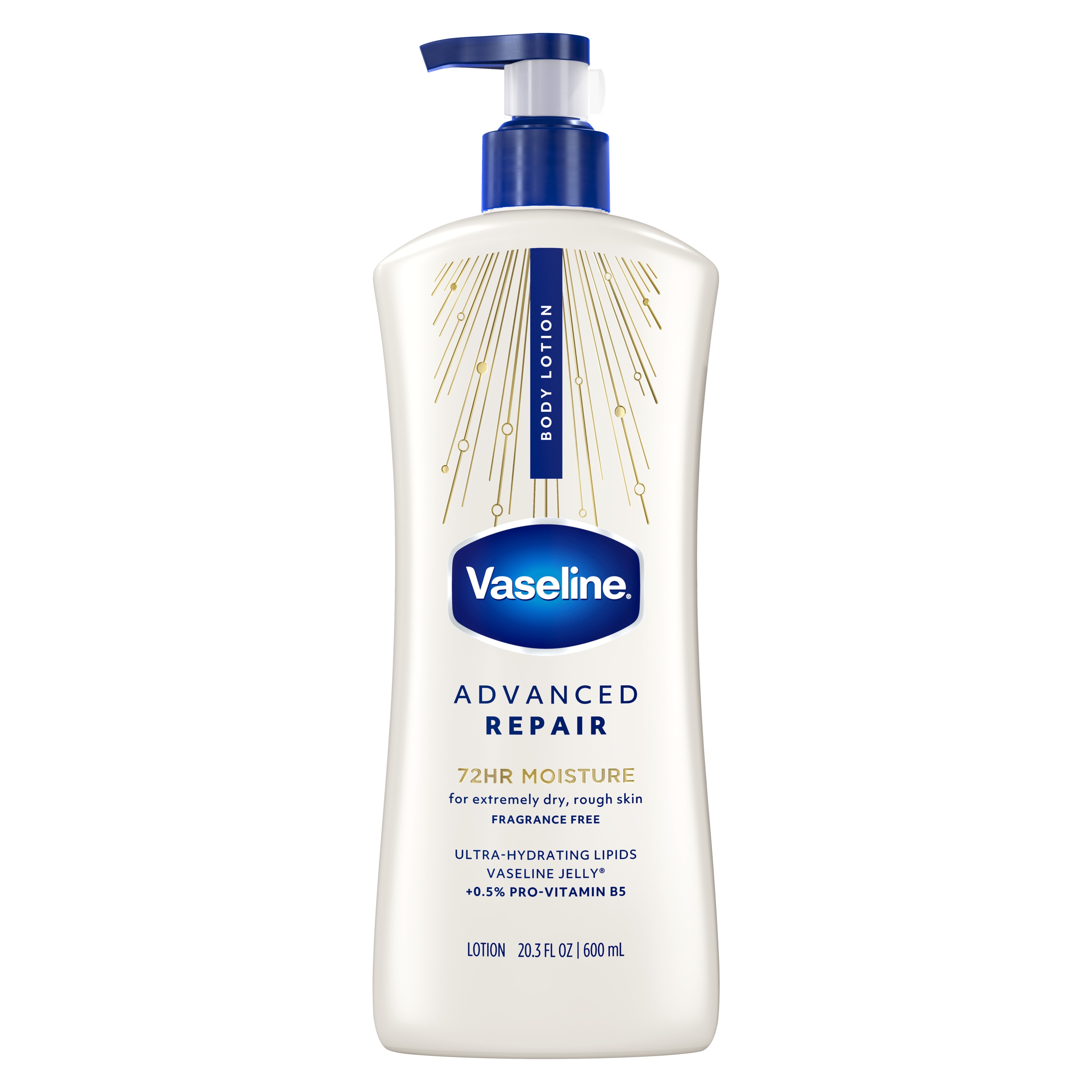
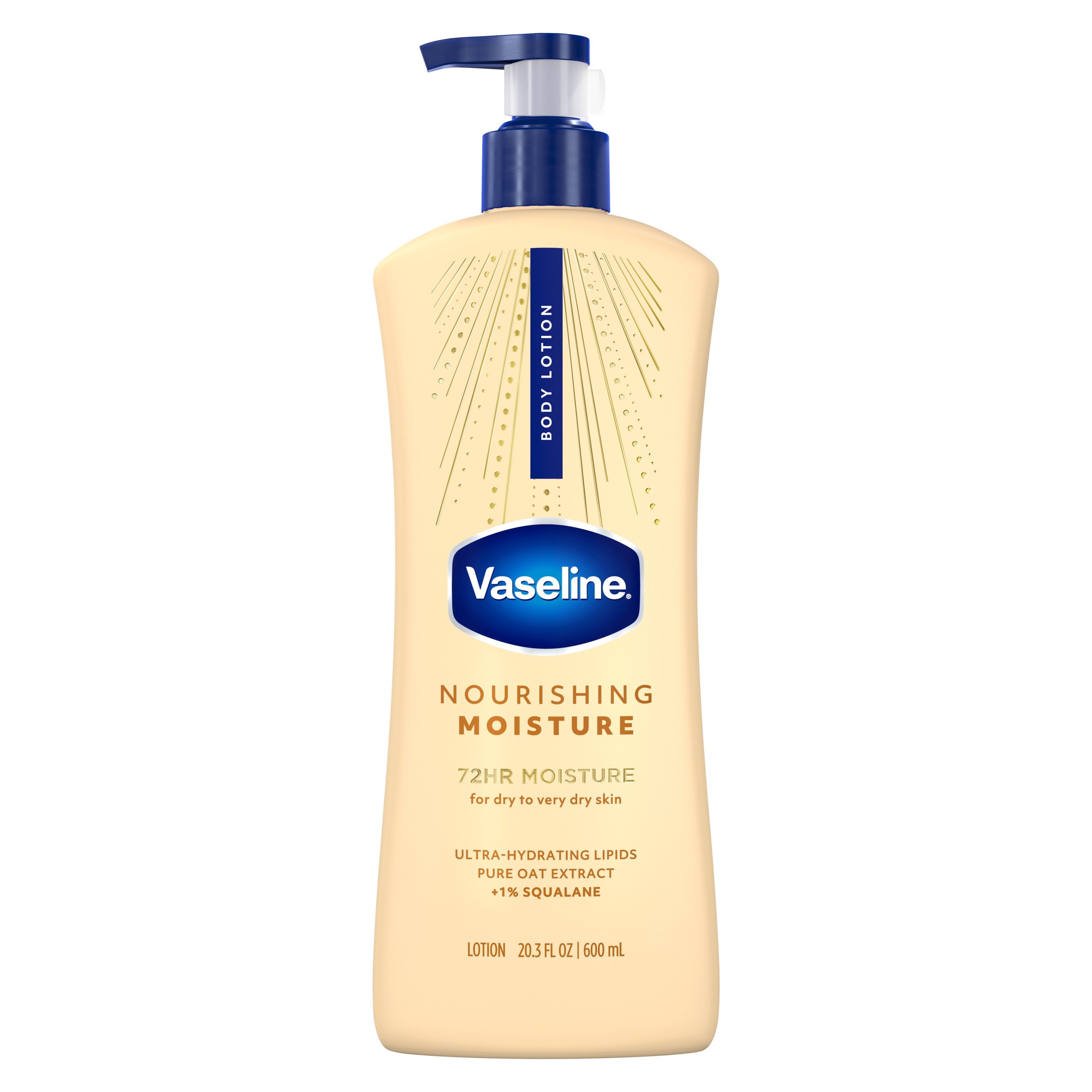
Yes, Vaseline® offers several products for extremely dry, peeling skin. Vaseline® Healing Jelly Original is excellent for creating a protective barrier and locking in moisture. For daily use, Vaseline® Intensive Care™ Nourishing Moisture Lotion provides long-lasting hydration, and Vaseline® Clinical Care™ Extremely Dry Skin Rescue Lotion is formulated to heal very dry skin in just 5 days.