Skip to content
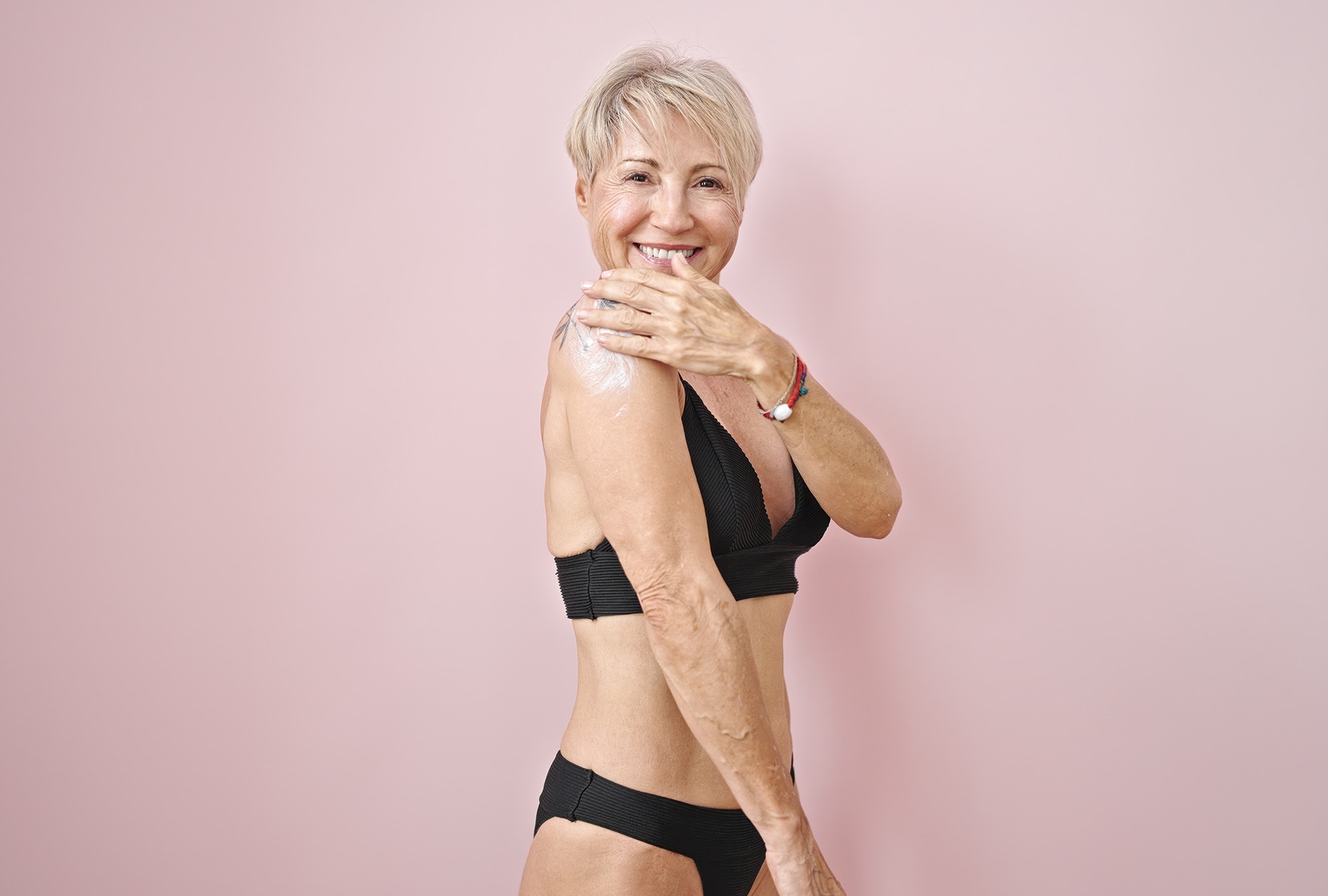
The best lotions for aging skin combine deep hydration with stronger barrier support and ingredients that help skin retain moisture and support against environmental stressors.
Pair a good lotion with a thoughtful anti-aging body care routine to help keep dryness, rough texture and visible skin aging in check, helping your skin feel smoother and more supple, day after day.
Understanding the Needs of Mature Body Skin
Mature body skin often becomes drier, thinner and less resilient over time because collagen, oil production and moisture retention naturally decline as we age. Environmental exposure, UV damage and everyday lifestyle habits can also accelerate visible skin aging.
Natural collagen and elastin decline
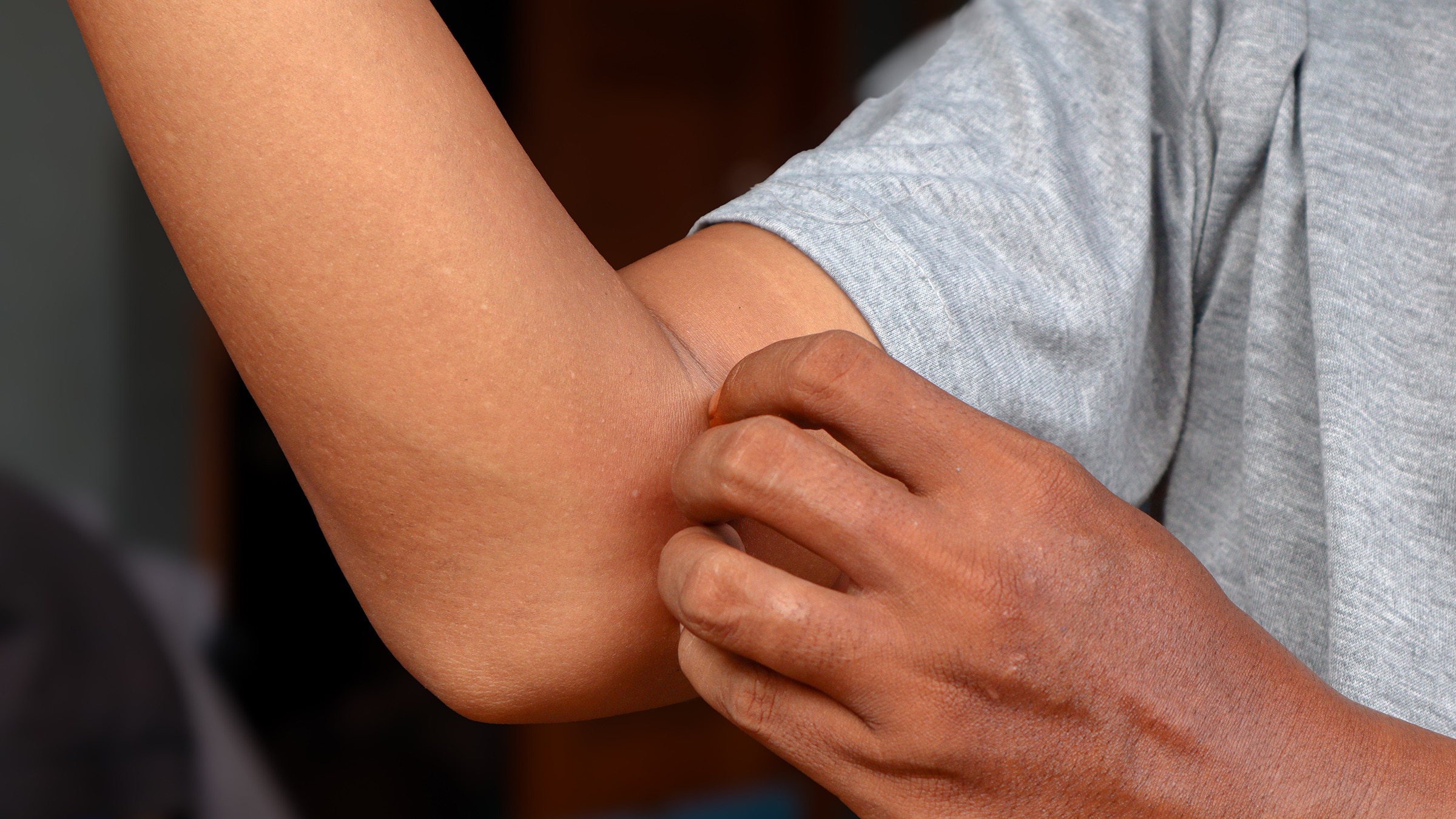
Collagen and elastin support firm and smooth skin. But as production gradually slows with age, skin may start to look less springy or more crepey in certain areas, especially around the arms, knees, chest and hands.
That shift is completely natural, but it also means mature skin often benefits from richer hydration and more consistent moisture support than it did years earlier.
Dryness and loss of moisture retention
One of the biggest changes in mature skin is how easily it loses moisture. Aging skin produces fewer natural oils, which makes it harder for the skin barrier to hold onto hydration throughout the day. That’s why mature skin can start feeling tight after showering, itchy during winter or rough around areas like elbows and knees.
Sometimes skin doesn’t only need “anti-aging” ingredients. It needs better moisture support overall. Alongside skin care, it's a good idea to check your water intake throughout the day.
Sun damage and environmental exposure
Skin aging is not only about getting older. Research published by the National Library of Medicine¹ notes that UV exposure may account for up to 80% of visible skin aging, including dryness, wrinkles, thinning and uneven tone.
The research also explains that UV exposure creates oxidative stress, which gradually weakens the skin’s support structure. That’s why daily SPF and barrier-supporting moisturizers are important, even during everyday activities like driving, walking outside or sitting near windows.
Why body skin ages differently than facial skin
Many people focus anti-aging care mainly on the face, but the skin on your body deals with its own stressors every day. Friction from clothing, shaving, frequent washing and environmental exposure can all affect the way it looks and feels.
Body skin also tends to get less consistent care overall, which is why a dedicated care routine can make such a noticeable difference in comfort and hydration.
If you want to better understand how skin changes with age, this guide to mature skin care offers additional helpful context.
Key Ingredients to Look For in a Lotion for Aging Skin
- Pro-Retinol is commonly used in skincare products to improve collagen production and stimulate cell renewal, helping thinner, dryer skin cells
- Hyaluronic Acid helps skin retain water, so mature skin feels less tight or dehydrated.
- Niacinamide supports the skin barrier while helping improve the appearance of uneven tone and dryness.
- Antioxidants like Vitamin C and Vitamin E help support skin against environmental stressors like UV exposure and pollution.
- Peptides are often included in products as key building blocks of protein, and help renew collagen in the skin.
- Ceramides and barrier-supporting lipids help reduce moisture loss, which becomes especially important as mature skin struggles to retain hydration as effectively as younger skin.
Products such as body oils and butters can also help reinforce moisture support for very dry or mature skin.
Can Anti-Aging Body Lotions Really Make a Difference?
Anti-aging body lotions can help improve the appearance and feel of mature skin through hydration and barrier support, but they do not stop or reverse aging. The biggest difference usually comes from consistency and realistic long-term care habits.
Realistic results to expect
Skin may feel softer fairly quickly, while improvements in texture, comfort and radiance generally need more consistent use over longer periods.
With a regular routine over weeks to months, you may notice improvements in skin appearance, especially when moisturization is paired with daily SPF and gentle body-care habits.
How to Choose the Best Body Cream for Aging Skin
The best body cream for mature skin should support long-lasting hydration, comfort, and barrier function without feeling overly greasy or heavy. A good body cream for aging skin should also fit realistically into your daily routine so you’ll actually want to use it consistently.
Matching the formula to your skin's needs
Very dry or mature skin often benefits from richer creams that combine nourishing ingredients with long-lasting moisture support.
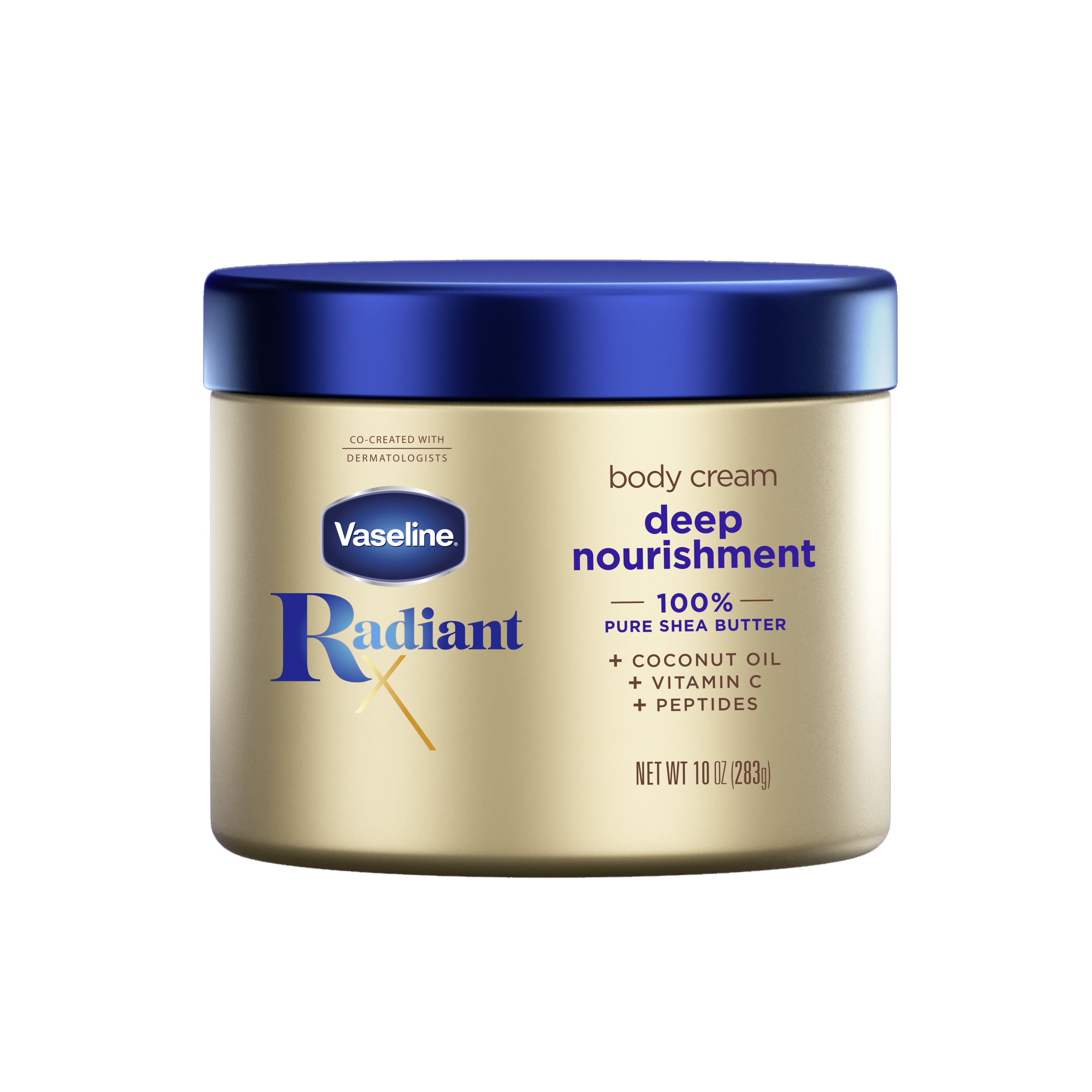
Vaseline® Radiant X Deep Nourishment Body Cream combines 100% pure shea butter, coconut oil, Vitamin C, peptides, and Ultra-Hydrating Lipids to help support softer, smoother-feeling skin. The formula is designed for deep nourishment while still absorbing quickly into the skin, meaning it's easy to fit into your routine before getting dressed or climbing into bed.
What to avoid in an anti-aging body cream
Avoid formulas with overly harsh fragrances and products that sit heavily on the skin. Mature skin often becomes more sensitive over time. If a body cream feels unpleasant to wear, pills under clothing, or leaves skin feeling dry again shortly after application, it may not be providing the level of moisture support mature skin needs.
Special Focus: Finding the Best Hand Cream for Aging Hands
Hands often show visible signs of aging earlier than other body areas because the skin is thinner and puts up with constant washing, UV exposure and environmental stress throughout the day. Over time, that repeated exposure can contribute to dryness, rough texture, crepey-looking skin and age spots.
Use a good hand cream developed for aging hands to support softer, smoother-looking skin on the hardest-working parts of your body.
What to look for in a hand cream for mature skin
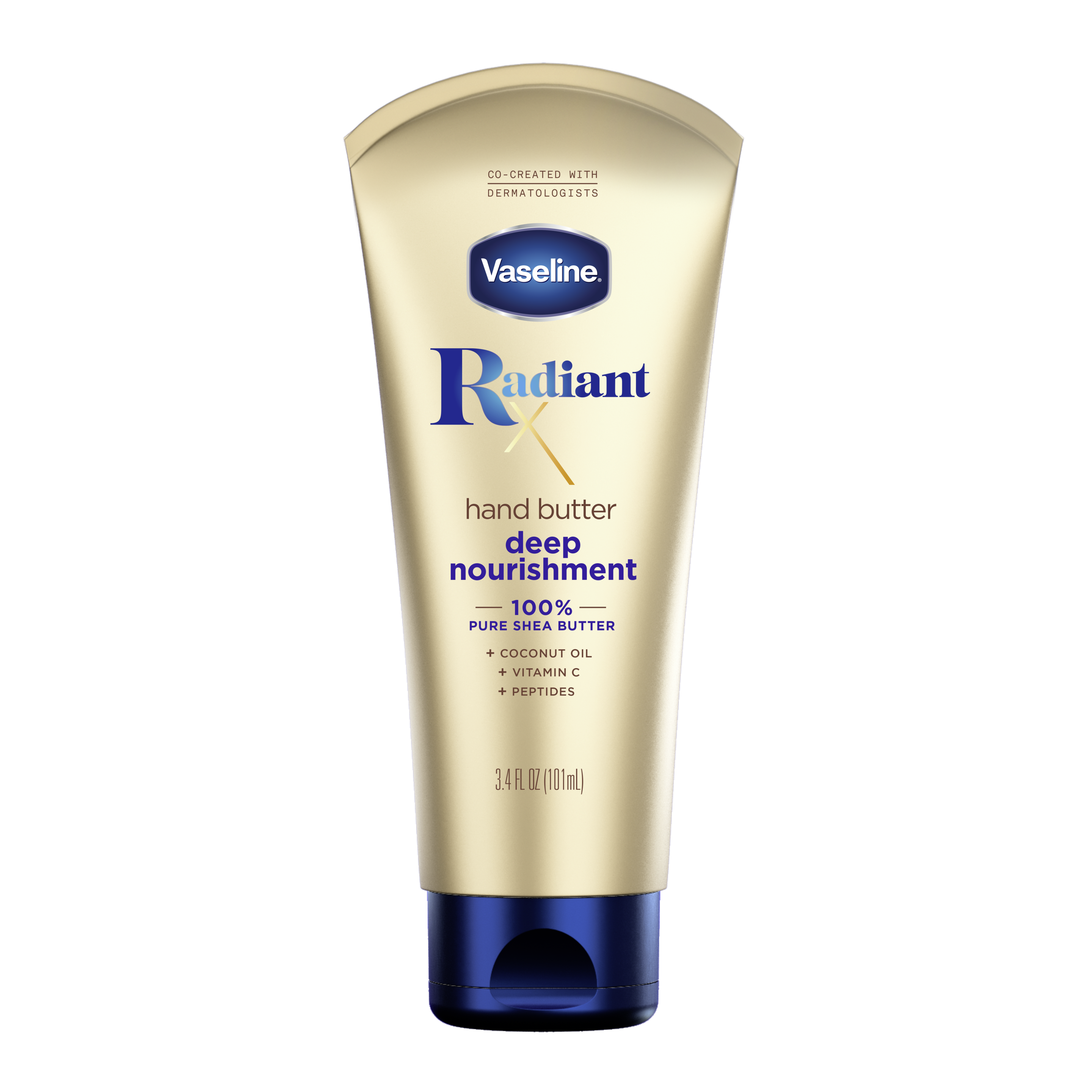
Mature hands often benefit from richer moisture support than standard lightweight hand lotions provide. Vaseline® Radiant X Deep Nourishment Hand Butter combines shea butter, coconut oil, Vitamin C, peptides, and Ultra-Hydrating Lipids in a rich but fast-absorbing formula designed to support softer, smoother-feeling hands without greasy residue.
When to apply hand cream for best results
Apply hand cream after washing your hands, before bed, and anytime skin starts feeling dry or tight. Nighttime application can be especially helpful because richer formulas have more uninterrupted time to support dry skin overnight.
Your Step-by-Step Anti-Aging Body Care Routine
A consistent body care routine helps support smoother-looking, more supple skin over time, especially when focused on hydration, barrier support and daily sun protection. If you want more ideas for building good habits, these anti-aging skin care tips offer additional guidance.
Step-by-step daily routine
1. Cleanse with a gentle body wash that won’t strip away natural oils.
2. Exfoliate once a week to help smooth rough texture and remove surface build-up.
3. Apply your anti-aging body cream while skin is still slightly damp after bathing to help lock in moisture more effectively.
4. Apply hand cream throughout the day, especially after washing your hands.
5. Use SPF daily on exposed areas like the chest, shoulders, arms and hands.
Morning vs evening routine differences
Morning routines should focus on hydration and SPF protection before daily environmental exposure. Evening routines are a good opportunity to use richer moisturizers that help support overnight moisture replenishment while skin naturally loses hydration during sleep.
What results to expect (and the realistic timeline)
Skin care works gradually. You may notice softer-feeling skin fairly quickly, while more visible improvements in smoothness and radiance usually develop with consistent use over time. Factors like sun exposure, hydration levels, stress, lifestyle habits and overall skin condition all influence how skin responds to a routine.
Stress can also affect skin in ways people don’t always expect. Research reviewing stress and skin aging ² explains that chronic stress may increase inflammation and oxidative stress in the body, both of which are linked to visible skin aging over time.
While skin care cannot eliminate stress itself, consistent habits like moisturization, hydration, sleep and daily sun protection can help support healthier-looking skin as it ages.
This content is provided for general informational purposes and should not be considered medical advice. If you have concerns about your skin, consult a qualified healthcare professional.
FAQs
What are the best body creams/moisturizers for aging skin?
The best products for mature skin combine deep hydration with ingredients associated with smoother-looking, more resilient skin, like peptides, niacinamide, antioxidants and barrier-supporting lipids.
What are the most effective ingredients to look for in an anti-aging body cream?
Pro-retinol, hyaluronic acid, niacinamide, antioxidants, peptides and ceramides are commonly used in products designed to support mature skin through hydration and barrier support.
How do I build a complete anti-aging routine for my body?
Focus on gentle cleansing, consistent moisturization, SPF and supportive daily habits like hydration and sleep. The best routines are usually simple enough to maintain consistently.
How long does it take to see results from anti-aging body lotion?
Some people notice softer-feeling skin quickly, while visible improvements in texture and radiance usually take several weeks or months of consistent use.
Can anti-aging body creams really reduce the look of wrinkles?
Anti-aging body creams can help improve the appearance of wrinkles through hydration and smoother-looking skin texture, but they do not erase wrinkles or stop the aging process entirely.
What's the difference between anti-aging body cream and regular moisturizer?
Anti-aging body creams usually combine moisturization with ingredients associated with texture, tone and resilience support, while regular moisturizers may focus mainly on hydration alone.
Sources
1. Amaro-Ortiz A, Yan B, D’Orazio JA. Ultraviolet Radiation, Aging and the Skin: Prevention of Damage by Topical cAMP Manipulation. National Library of Medicine.
2. Dunn JH, Koo J. Psychological Stress and Skin Aging: A Review of Possible Mechanisms and Potential Therapies.