Skip to content


Navigating Menopause and Dry, Itchy Skin
Menopause brings significant changes, and understanding its impact on your skin is key to maintaining comfort and health. Many women experience dry, itchy skin during menopause or perimenopause, which can be a challenging symptom. This guide offers insights into why these changes occur and practical ways to soothe and care for your skin during this natural transition.
Key Takeaways for Menopausal Skin Health
- Menopause and perimenopause often lead to dry, itchy skin due to hormonal shifts, particularly a decline in estrogen.
- Estrogen plays a vital role in maintaining skin hydration and elasticity, so its decrease can cause skin to become thinner and less resilient.
- Common symptoms of menopausal dry skin include dullness, redness, flakiness, and tightness, sometimes leading to cracks or ashy tones on darker skin.
- Simple adjustments to your skincare routine, like avoiding hot showers and using gentle cleansers, can significantly alleviate discomfort.
- Moisturizing regularly, especially with products designed for mature skin, is crucial for restoring and retaining skin moisture.
- Protecting your skin from environmental factors, such as sun exposure and harsh chemicals, helps prevent further dryness and irritation.
Understanding Menopause: A Natural Transition
Menopause is a natural biological process that marks the end of a woman's reproductive years. It's primarily driven by hormonal changes, particularly a decline in estrogen, which leads to the cessation of menstrual periods. This transition can bring a range of experiences, from hot flashes and sleep disturbances to significant changes in skin health. While each woman's journey through menopause is unique, understanding these shifts empowers you to adapt and seek supportive information and care.
How Menopause Impacts Your Skin Health
As women enter their forties and fifties, many observe their skin becoming noticeably drier and sometimes itchier. These changes are often directly linked to menopause, a period where significant hormonal shifts, especially declining estrogen levels, influence skin's structure and function. Research highlights that dry skin during menopause is a prevalent concern, with studies indicating a substantial percentage of postmenopausal women experiencing this condition. These hormonal fluctuations can accelerate the skin's aging process, leading to thinning, reduced elasticity, and a diminished capacity for self-repair.
Understanding Itchy, Dry Skin During Menopause
The onset of menopause is characterized by a natural decline in estrogen production. Beyond its role in regulating menstruation, estrogen is crucial for maintaining skin health, particularly by stimulating the production of natural oils and collagen. These components are vital for skin hydration, elasticity, and overall density. With reduced estrogen levels, both collagen and oil production slow down. This leads to skin becoming less smooth and firm, contributing to the appearance of wrinkles, and significantly impairs the skin's ability to retain moisture, resulting in the common experience of dry, itchy skin during menopause. Environmental factors, such as lower humidity in winter, can further exacerbate this dryness.
Recognizing the Signs and Symptoms of Menopausal Dry Skin
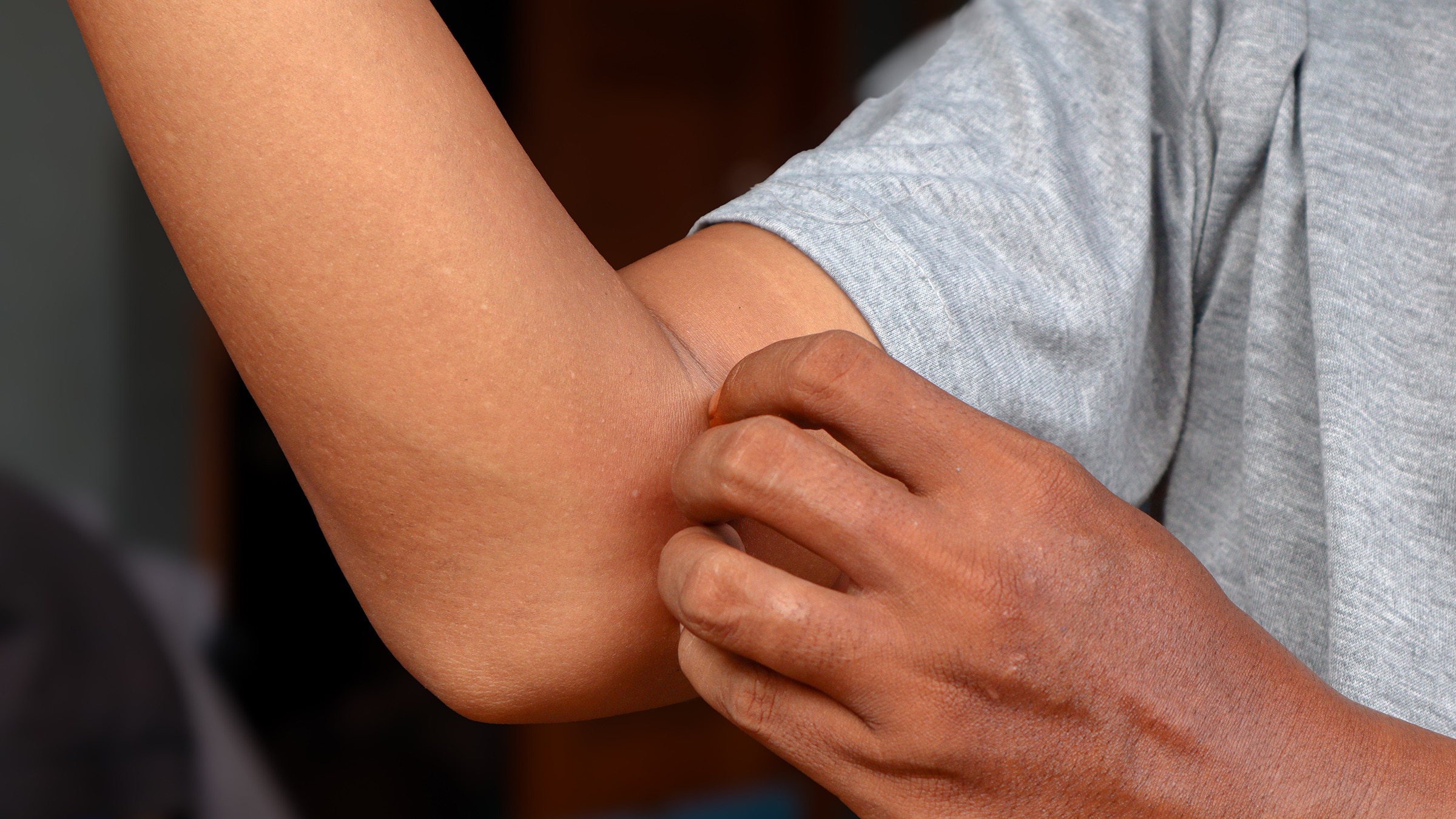
Menopausal dry skin can manifest in various ways, often appearing dull or red, and feeling sore or rough to the touch. The intensity of dryness can differ greatly among individuals, with some experiencing it only in specific conditions like cold weather, while others face persistent dryness year-round. Beyond just a rough texture, dry skin can lead to several uncomfortable symptoms. If you notice any of the following, it might be a sign of dryness:
- Persistent tightness, especially after showering or swimming.
- Flaky or peeling skin, indicating a compromised skin barrier.
- Visible cracks on hands and feet, which can sometimes become severe and bleed.
- Itchy skin (pruritus), a common and often irritating symptom.
- Gray or ashy tones, particularly noticeable on darker skin tones.
Exploring the Link Between Menopausal Dry Skin and Acne
While dry skin during menopause is a primary concern, it's not the only skin challenge women may face. Hormonal shifts during this period can also lead to unexpected acne breakouts, often concentrated around the lower face. Contrary to the belief that acne is solely a teenage issue, these hormonal fluctuations can reactivate it later in life. Interestingly, menopausal dry skin can sometimes exacerbate acne. When skin is dry, its natural barrier function, including the lipid bilayer, can be compromised, making it less effective at blocking bacteria. This can lead to a buildup of dead skin cells on the surface, which in turn can trap acne-causing bacteria and potentially trigger flare-ups on both the face and body.
Effective Strategies to Soothe and Prevent Menopausal Dry, Itchy Skin
Adapting Your Skincare Routine for Menopausal Skin
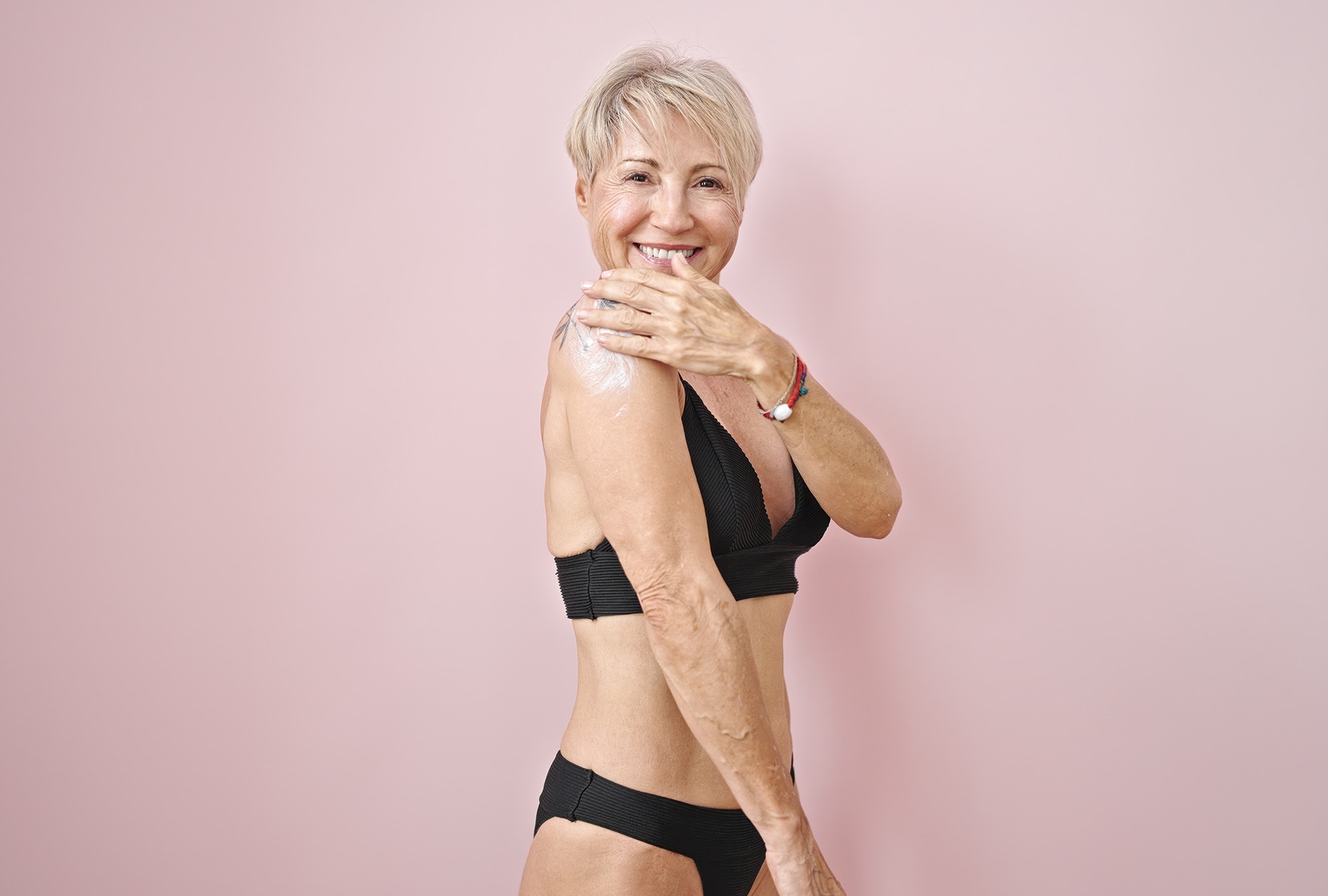
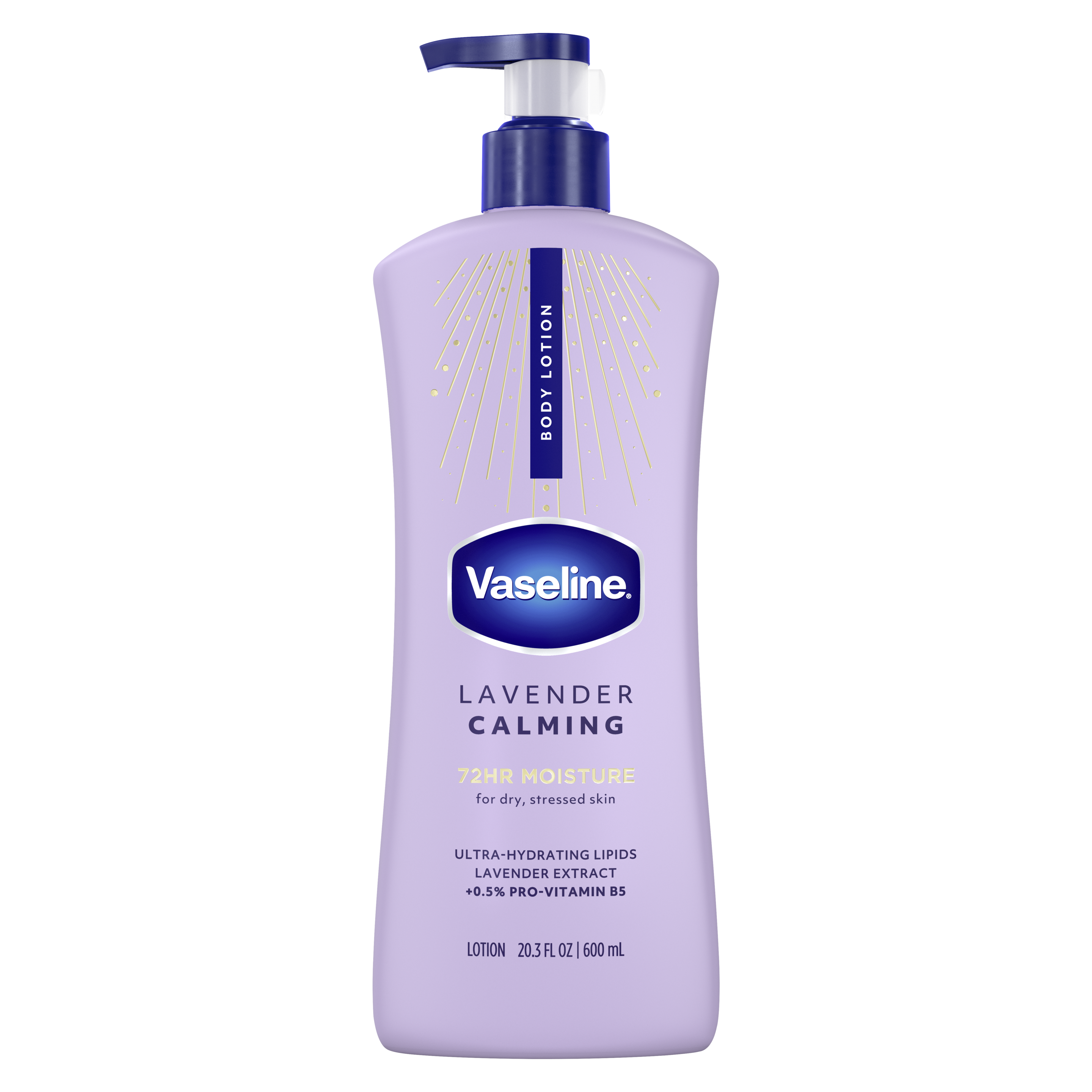
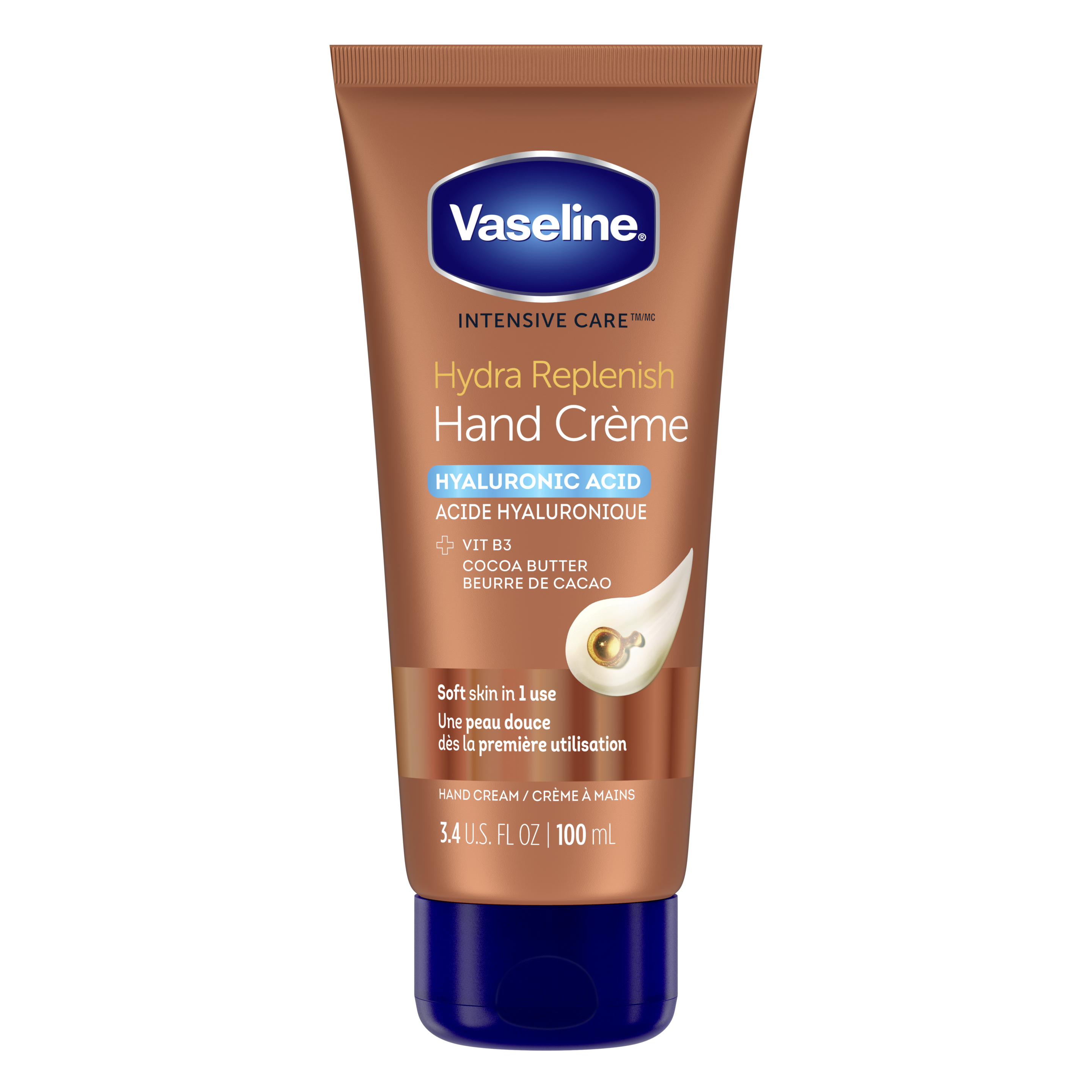
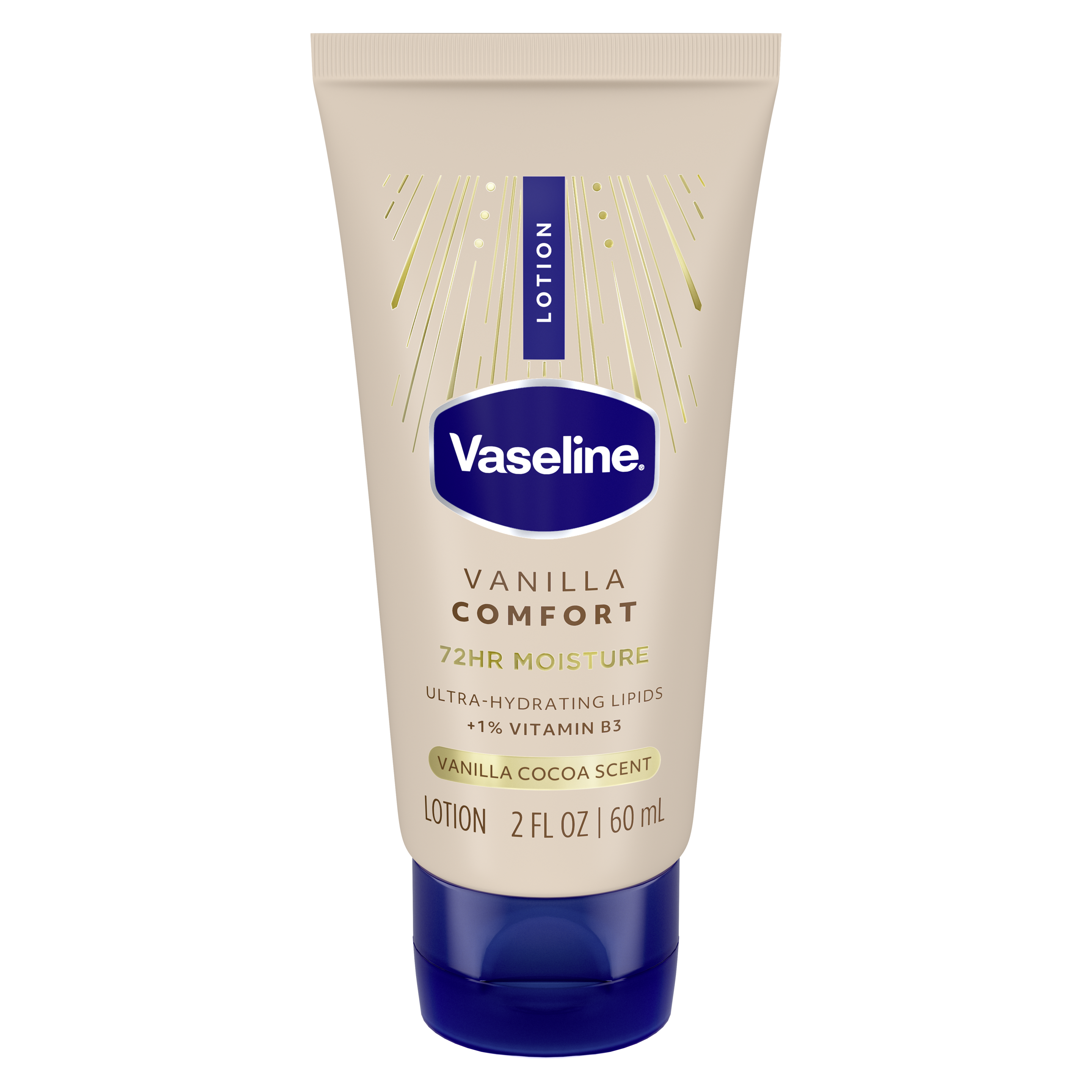
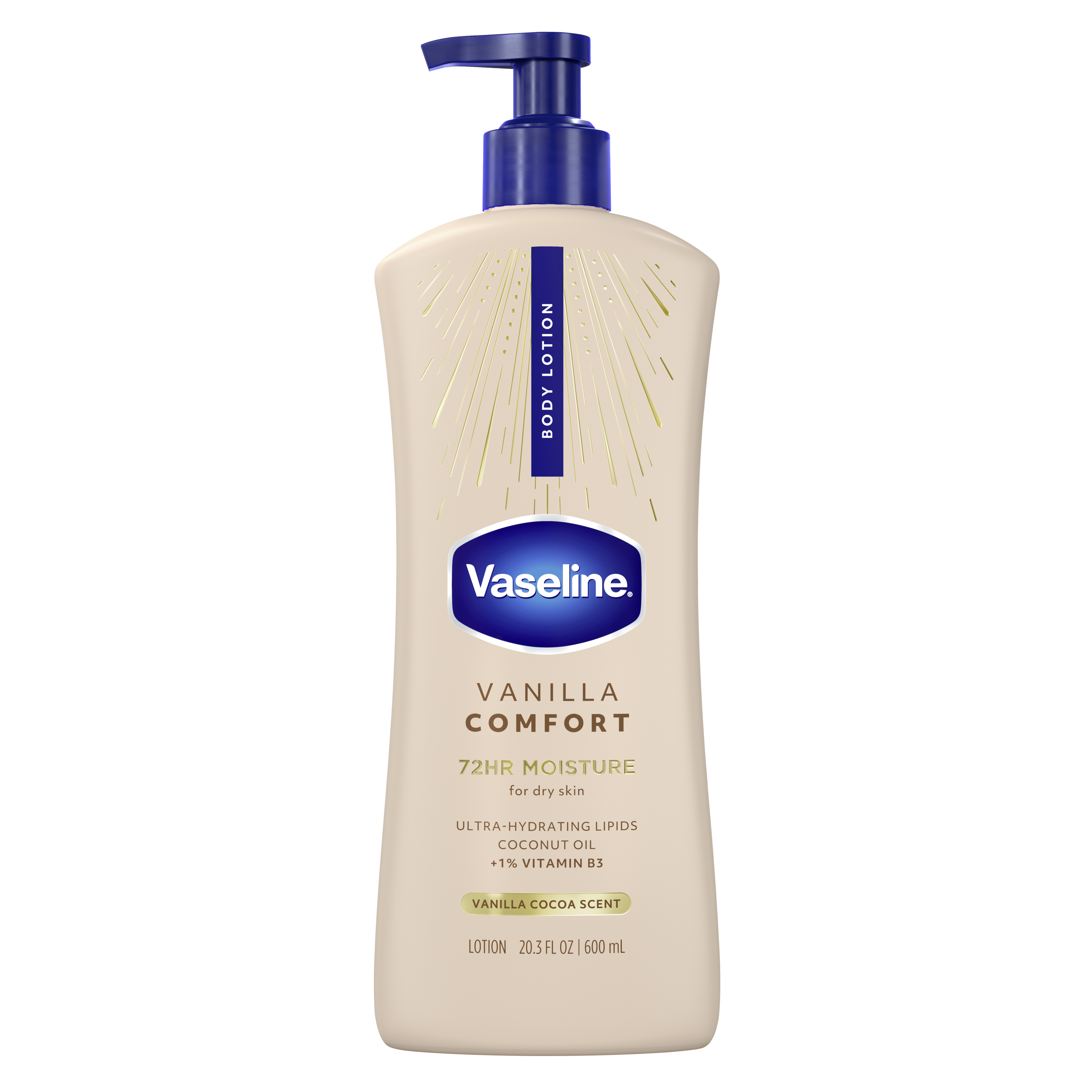
Experiencing dry skin during menopause is a common occurrence, signaling an opportune time to reevaluate and adapt your skincare regimen. By choosing products specifically formulated for mature skin, you can provide the targeted care needed to address dryness and promote a more balanced, comfortable skin feel. For instance, products like Vaseline® Mature Skin Rejuvenation are designed to offer lasting moisturization, helping to restore and maintain skin health during this transitional phase.
Expert Advice: The information provided in this article is for general knowledge and informational purposes only, and does not constitute medical advice. Always consult with a qualified healthcare professional for any health concerns or before making any decisions related to your health or treatment.
Embracing Skin Health Through Menopause
Menopause is a significant life stage that brings unique changes to your skin, often leading to dryness and itching. By understanding these shifts and adopting a proactive, nurturing skincare approach, you can effectively manage symptoms and maintain comfortable, healthy skin. Remember, small adjustments to your routine and choosing the right products can make a substantial difference in how your skin feels and looks during this natural transition. Embrace this journey with confidence, knowing you have the knowledge to care for your skin every step of the way.
Frequently Asked Questions About Menopause and Dry Skin
During menopause, estrogen levels decline significantly. Estrogen plays a crucial role in stimulating the production of natural oils and collagen, which are essential for skin hydration and elasticity. This decrease leads to reduced moisture retention and a compromised skin barrier, resulting in dry and often itchy skin.
Yes, perimenopause, the transitional phase leading up to menopause, can absolutely cause dry skin. Hormonal fluctuations, particularly the initial drops in estrogen, begin during perimenopause, often leading to similar skin changes like dryness, itching, and increased sensitivity even before periods fully cease.
For menopausal dry skin, look for lotions containing hydrating ingredients like hyaluronic acid, glycerin, ceramides, and petrolatum (like Vaseline® Jelly). Emollients such as shea butter and fatty acids can also help restore the skin's barrier function and lock in moisture effectively.
To prevent extremely dry skin, adopt a consistent routine: use lukewarm water for showers, apply moisturizer to damp skin, choose gentle, fragrance-free cleansers, wear protective clothing and sunscreen, and consider using a humidifier in dry environments. Products specifically formulated for mature skin can also be beneficial.
Yes, experiencing itchy palms or feet during menopause is a common symptom. The overall decrease in skin moisture and elasticity due to hormonal changes can affect skin across the entire body, including the extremities, leading to localized dryness and itching.
While the underlying cause (estrogen decline) is the same, facial skin might react differently due to its thinner nature and constant exposure to environmental factors. You might notice increased sensitivity, fine lines, and dryness on the face, sometimes accompanied by unexpected acne breakouts, while body skin may experience more widespread flakiness and itching.
You should consult a doctor if your dry, itchy skin is severe, persistent, interferes with your daily life, or if you notice any unusual rashes, bleeding cracks, or signs of infection. A healthcare professional can rule out other conditions and recommend appropriate treatments or management strategies.