Skip to content


In today's world, rigorous hand hygiene is essential, yet it often leaves many struggling with dry, uncomfortable hands. Our palms, uniquely lacking sebaceous glands that produce natural moisturizing oils, are particularly vulnerable to dryness. Coupled with exposure to harsh weather and frequent washing, this can compromise the skin barrier, leading to moisture loss, itching, and discomfort. This comprehensive guide explores the common causes of dry skin on hands and provides effective strategies to treat and prevent it, helping you achieve healthy, soft hands.
Key Takeaways for Healthy Hands
- Understanding the causes of dry hands, from environmental factors like cold weather to frequent washing, is the first step towards effective care.
- The unique anatomy of our palms makes them prone to dryness, as they lack the sebaceous glands that naturally moisturize other skin areas.
- Gentle hand soaps and consistent moisturizing with products like Vaseline® Clinical Care Dry Hands Rescue are crucial for maintaining a healthy skin barrier.
- Protecting your hands with sunscreen and gloves can prevent further damage and help retain essential moisture.
- For persistent or severe dry, cracked hands, consulting a dermatologist is recommended to address underlying conditions.
- Simple practices like using a humidifier and choosing moisturizing hand sanitizers can significantly improve hand hydration.
Understanding the Causes of Dry Skin on Hands
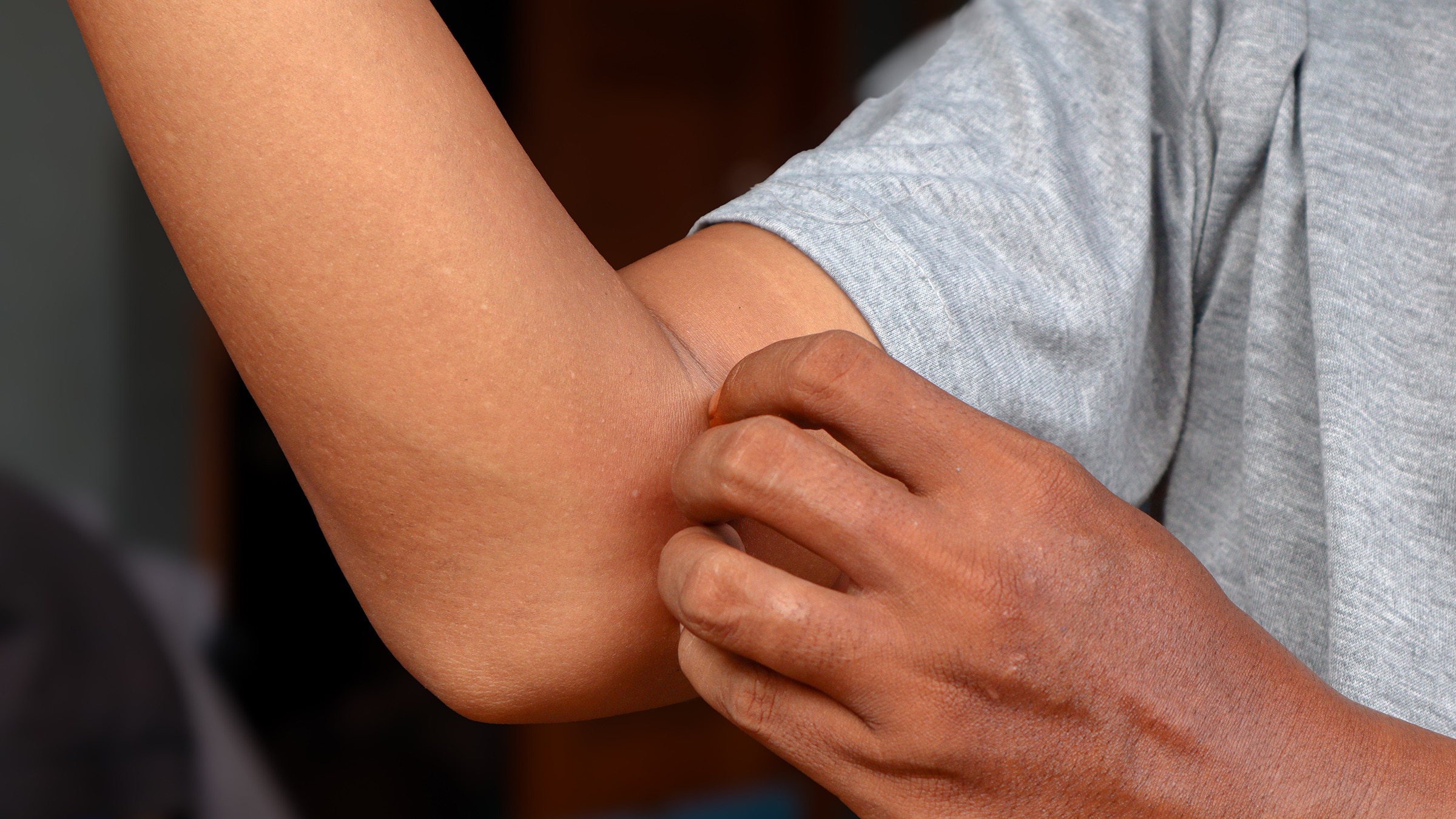
Dry skin on hands often stems from an impaired skin barrier, where essential healthy fats like cholesterol, fatty acids, and ceramides are deficient or dysfunctional. As board-certified dermatologist Dr. Shari Marchbein explains, this protective lipid layer is vital for retaining moisture and keeping irritants out. When compromised, dry skin can manifest as redness, flaking, and itching.
If you're experiencing unusually dry hands, several factors could be contributing. Here are some of the most common causes:
Cold Weather Exposure
During colder months, the air's natural humidity drops, leading to drier conditions. This environmental shift makes it challenging for your skin to retain moisture, often resulting in dry hands. Indoor heating further exacerbates this by reducing air moisture, impacting your skin's hydration levels.
Natural Aging Process
As we age, our skin's ability to retain moisture naturally diminishes due to a weakening skin barrier function. Factors such as reduced natural oil production, cumulative sun damage, and slower cell renewal contribute to increased dryness, making dry palms and hands more common.
Harsh Product Contact
Frequent hand washing and sanitizing, while necessary for hygiene, can strip the skin's natural oils. Soaps, drying alcohols, and certain hand sanitizers can damage the skin barrier, leaving hands feeling extremely dry and irritated. Similarly, exposure to harsh chemicals in household cleaners, detergents, and even some shampoos can contribute to dryness.
Underlying Medical Conditions
Persistent dry skin on hands can sometimes indicate an underlying medical condition like eczema, psoriasis, or a thyroid imbalance. As Dr. Mona Gohara advises, consulting a board-certified dermatologist can provide a skilled assessment and appropriate guidance. Additionally, a dry skin rash on hands might be a sign of allergic contact dermatitis (reaction to a substance) or irritant contact dermatitis (damage from a harsh substance).
Continue Reading: Explore more insights on skin health with our related article: Feet First: Here's How to Treat Dry Skin on Your Feet
Effective Strategies to Soothe and Heal Dry, Cracked Hands
Embrace Comfort: Your Journey to Healthy Hands
Addressing dry skin on hands is a journey of consistent care and protection. By understanding the common causes and implementing simple yet effective strategies—from choosing gentle cleansers to regular moisturizing with products like Vaseline®—you can restore your skin's natural barrier and enjoy soft, comfortable hands. Remember, persistent dryness or irritation warrants a consultation with a dermatologist for personalized advice, ensuring your hands receive the expert care they deserve.
Frequently Asked Questions About Dry Hands
Sudden dryness and peeling can be triggered by various factors, including frequent hand washing, exposure to harsh chemicals, cold weather, or even underlying conditions like contact dermatitis. Your skin barrier might be compromised, leading to moisture loss.
For extremely dry, cracked hands, consistent moisturizing with a rich hand cream or ointment is key. Look for products containing ingredients like glycerin, petrolatum, or ceramides. Applying a thick layer before bed and covering with cotton gloves can significantly improve hydration.
Yes, Vaseline® products are highly effective for dry hands. Products like Vaseline® Clinical Care Dry Hands Rescue are formulated to replenish moisture and help heal the skin barrier. Vaseline® Healing Jelly Original can also be used as an occlusive layer to lock in moisture, especially overnight.
If your hands are very dry, aim to moisturize them frequently throughout the day, especially after every hand wash. Keeping a hand cream readily accessible and applying it multiple times a day will help maintain hydration and support your skin barrier.
For dry hands, look for hand creams that contain humectants like glycerin or hyaluronic acid to draw moisture into the skin, and occlusives like petrolatum or dimethicone to seal that moisture in. Emollients such as ceramides and fatty acids also help to repair the skin barrier.
- The moisturizer might not be rich enough for your skin's needs.
- You might not be applying it frequently enough, especially after washing.
- Environmental factors like very dry air or harsh soaps could be counteracting the moisturizing efforts.
- An underlying skin condition might require a different approach or professional advice.
Peeling skin on fingertips can be caused by excessive dryness, frequent exposure to water or chemicals, allergic reactions, sunburn, or even certain skin conditions. Ensuring proper hydration and protection is crucial, and if it persists, consult a dermatologist.