Skip to content

Oily skin can present unique challenges, from unwanted shine to concerns about breakouts. Understanding what causes oily skin and how to effectively manage it is the first step toward achieving a balanced, healthy complexion. This article provides expert insights and practical remedies for oily skin, helping you navigate your skincare journey with confidence. We'll explore the factors contributing to excess sebum production and share actionable tips to reduce oily skin and maintain a fresh feel throughout the day.
Key Takeaways for Managing Oily Skin
- Understanding Sebum: Learn how natural oil production impacts your skin and contributes to an oily complexion.
- Daily Skincare Habits: Discover essential routines, including cleansing and moisturizing, to control oily skin effectively.
- Hydration is Key: Understand why staying hydrated is crucial for preventing your skin from overproducing oil.
- Product Choices Matter: Identify non-comedogenic products and ingredients to avoid pore-clogging and breakouts.
- Makeup Removal: Prioritize removing makeup nightly to prevent clogged pores and reduce oily skin concerns.
- Vaseline® for Balance: Explore how Vaseline® Jelly can support your oily skin management by locking in moisture without clogging pores.
Understanding Oily Skin: Causes and Effective Management
Oily skin is characterized by an overproduction of sebum, a natural, waxy oil produced by your sebaceous glands. While sebum is essential for keeping your skin and hair moisturized and protected, an excess can lead to a shiny complexion, enlarged pores, and a higher likelihood of breakouts. Understanding the root causes of this excess sebum is key to effective management.
What Causes Oily Skin?
Sebum, the natural oil on your skin, is a fatty, thick liquid produced by your sebaceous glands¹ to keep hair and skin moisturized. However, when these glands produce too much sebum, it can result in an oily complexion and contribute to concerns like acne breakouts. Factors influencing sebum production include both hormones and genetics². For instance, during puberty, hormonal shifts, particularly an increase in androgen hormones, can stimulate sebaceous glands, leading to increased sebum and potentially acne. Other factors like stress, diet, and environmental conditions can also play a role in how your skin behaves.
While managing oily skin can sometimes feel challenging, it's important to remember that sebum plays a vital role in maintaining healthy skin. This natural oil helps keep your skin moist, soft, and supple, contributing to its elasticity and overall health. It also forms a protective barrier, safeguarding your skin from environmental stressors. The goal isn't to eliminate sebum entirely, but rather to balance its production for a comfortable and confident complexion.
1 “University Health Service” Acne | University Health Service, www.uhs.umich.edu/acne
2 “Oily Skin” MedlinePlus Medical Encyclopedia, medlineplus.gov/ency/article/002043.htm
3 “What Can I Do to Take Care of My Very Oily Hair and Skin?” What Can I Do to Take Care of My Very Oily Hair and Skin?| Go Ask Alice!, goaskalice.columbia.edu/answered-questions/what-can-i-do-take-care-my-very-oily-hair-and-skin
4 “Moisturizers: Options for Softer Skin.” Mayo Clinic, 13 Oct. 2016, www.mayo.edu/diseases-conditions/dry-skin/in-depth/moisturizers/art-20044232
Expert Advice
The advice in this article does not constitute medical advice, it is solely available for information purposes.
Effective Strategies to Manage Oily Skin
Embrace a Balanced Complexion with Confidence
Managing oily skin is a journey of understanding your skin's unique needs and adopting consistent, effective skincare practices. By focusing on gentle cleansing, proper hydration, and smart product choices, you can significantly reduce excess oil and minimize concerns like breakouts. Remember, sebum plays a vital role in skin health, so the goal is balance, not elimination. With these expert-backed strategies, you can achieve a clearer, more comfortable complexion and feel confident in your skin every day.
Frequently Asked Questions About Oily Skin
Oily skin is primarily caused by overactive sebaceous glands producing excess sebum. Factors like genetics, hormones (especially during puberty or hormonal fluctuations), stress, diet, and even climate can influence this. While you can't entirely prevent oily skin if it's genetic, you can effectively manage and reduce its appearance through consistent skincare routines and lifestyle adjustments.
Yes, absolutely! Oily skin still needs hydration. Skipping moisturizer can actually trick your skin into producing more oil to compensate for dryness. The key is to choose a lightweight, non-comedogenic moisturizer that hydrates without clogging pores. Vaseline® Jelly, for example, can help lock in moisture without adding extra oil.
Most experts recommend cleansing your face twice a day—once in the morning and once at night. Over-washing can strip your skin of its natural oils, leading to increased sebum production. Use a gentle, pH-balanced cleanser and lukewarm water for best results.
While research is ongoing, some studies suggest a link between diet and skin health. Foods high in refined sugars, dairy, and unhealthy fats might contribute to inflammation and potentially influence sebum production. Focusing on a balanced diet rich in fruits, vegetables, and lean proteins can support overall skin health, though individual responses vary.
Yes, Vaseline® Healing Jelly can be a beneficial part of an oily skin routine. It's non-comedogenic, meaning it won't clog pores. It creates a protective barrier that locks in moisture, which can prevent your skin from becoming dehydrated and overproducing oil. It's also excellent for gently removing makeup without irritating the skin.
When choosing makeup for oily skin, look for products labeled 'non-comedogenic,' 'oil-free,' or 'mattifying.' Mineral-based foundations and powders can also be good options as they often help absorb excess oil. Always ensure you remove all makeup thoroughly before bed to prevent clogged pores and breakouts.
Discover More Related Articles




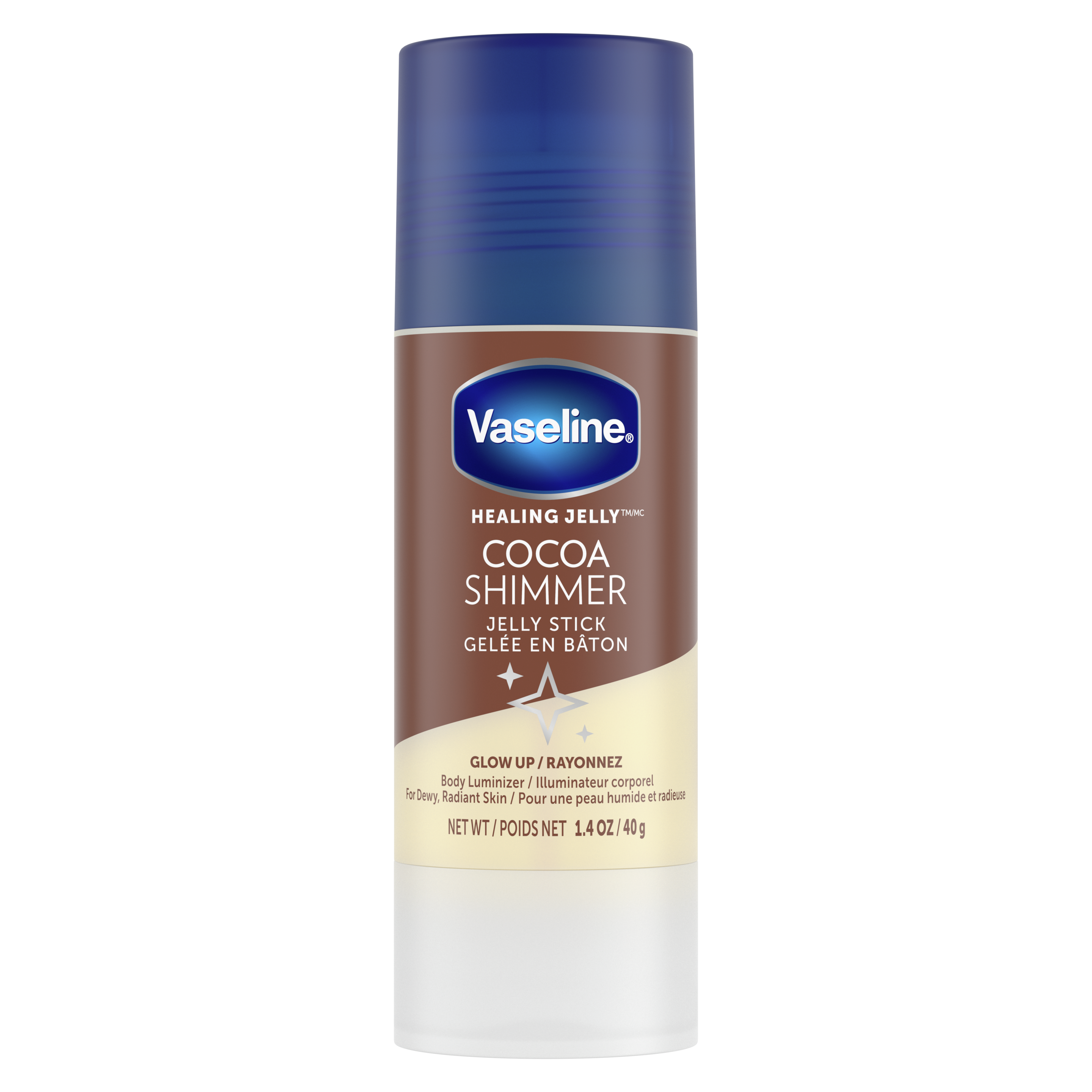
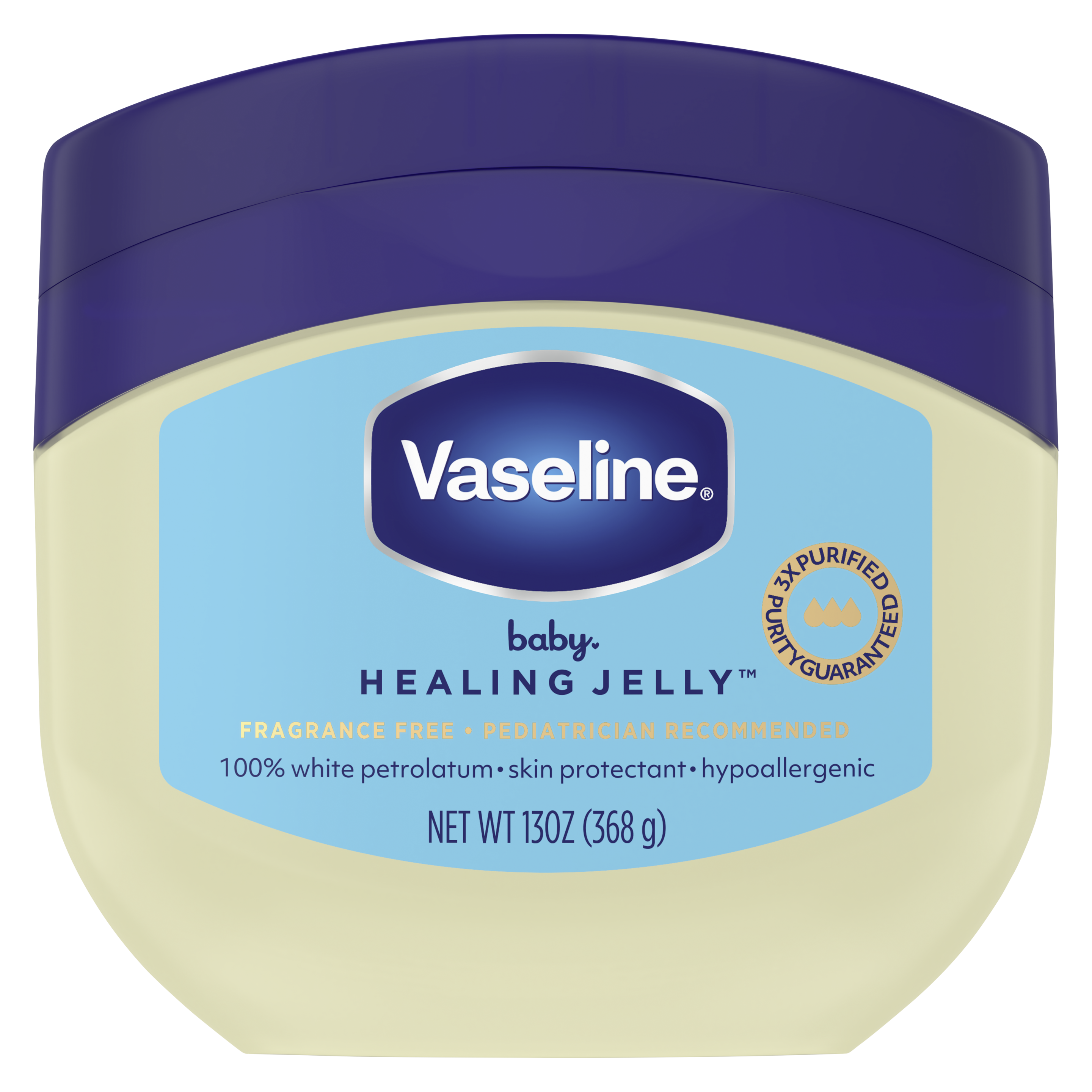
Explore Related Vaseline® Products



- slide 1
- slide 2
- slide 3
- slide 4
- slide 5