Skip to content


Cocoa butter and shea butter are celebrated for their remarkable benefits in skincare, offering deep moisturization and supporting overall skin health. Extracted from natural sources, these rich butters are often combined in beauty products to address a variety of skin concerns, from dryness to maintaining skin suppleness. Understanding their unique properties and how they work can help you integrate them effectively into your daily skincare routine for a healthy-looking glow.
Key Takeaways
- Cocoa butter, derived from cocoa beans, is a powerful emollient known for deep moisturization and keeping skin soft and supple.
- Shea butter, sourced from African shea tree nuts, offers intense hydration and is gentle enough for sensitive or very dry skin.
- Both butters can help improve the appearance of scars and stretch marks by maintaining skin moisture and elasticity.
- They are highly effective for winter skincare, combating dryness caused by harsh weather and indoor heating.
- Regular use of products containing cocoa and shea butter can contribute to a healthy-looking, radiant complexion.
Understanding Cocoa Butter and Shea Butter
Cocoa butter is an oily substance extracted from cocoa beans, the same beans used to make chocolate. While it may not taste quite as good, cocoa butter offers numerous benefits, from naturally healing dry skin to keeping skin supple. This makes cocoa butter an excellent addition to your cosmetic skincare regimen, whether you're using a pure cocoa butter lotion or a lotion made with cocoa butter and other ingredients. Always consult your dermatologist before starting any new skincare regimen.
Cocoa butter and shea butter are frequently combined in beauty products, as they both provide deep moisturization for a range of different concerns.
What is Cocoa Butter?
Cocoa butter is extracted from cacao, a plant cultivated for over 3,000 years and native to South American countries. The Ivory Coast in Africa is one of the world’s largest suppliers of raw cocoa.
Cocoa contains flavonoids, compounds known for their antioxidant effects and various health benefits. For this reason, cocoa is regularly studied for its positive impact on reducing heart disease, maintaining healthy blood pressure, and improving skin conditions.
What is Shea Butter?
Shea butter originates from nuts on the African shea tree and is utilized in various ways. It effectively moisturizes very dry skin, treats dry lips, and is considered gentle enough for eczema-prone skin or dryness associated with psoriasis. Shea butter is less fragrant than cocoa butter, which often allows it to be paired with different ingredients without altering their natural scent.
Cocoa Butter and Shea Butter for Skin
Cocoa butter, also known as theobroma cacao or cocoa seed butter, benefits the skin as a superb emollient. It works to moisturize deeply, keeping skin soft and supple. Its thick consistency makes it ideal for maintaining skin hydration during winter. Cocoa butter is also perfect for areas prone to especially dry, rough skin like the elbows, knees, and heels.
Shea butter functions similarly to cocoa butter, providing intense moisturization for very dry skin. It is also believed to offer a low sun protection factor, though it is not strong enough to prevent sunburn during sun exposure, so always use a dedicated sunblock.
Cocoa Butter vs. Shea Butter: A Skincare Comparison
|
Feature |
Cocoa Butter |
Shea Butter |
|---|---|---|
|
Source |
Cocoa beans |
African shea tree nuts |
|
Key Compounds |
Flavonoids (antioxidants) |
Vitamins A, E, F (antioxidants) |
|
Texture & Consistency |
Oily, thick, rich |
Creamy, smooth, slightly softer |
|
Fragrance |
Distinct chocolate-like scent |
Mild, nutty scent (less fragrant) |
|
Primary Benefits |
|
|
|
Skin Concerns Addressed |
|
|
|
Comedogenic Potential |
Generally non-comedogenic (e.g., Vaseline® Jelly Cocoa Butter) |
Believed to be non-comedogenic and suitable for acne-prone skin |

Shea butter functions similarly to cocoa butter in providing deep moisturization. If you have acne-prone skin, shea butter is generally considered suitable for use as it is believed not to clog pores.
Cocoa Butter and Shea Butter for Stretch Marks
Stretch marks are a form of scarring that cannot be completely removed. However, consistent and good skincare practices can significantly help to improve their appearance.
Skin relies on moisture to maintain its elasticity and supple look. Using a quality moisturizer, such as a cocoa butter or shea butter lotion, or one containing their extracts, can help seal in moisture and keep your skin healthy-looking, especially when recovering from skin changes. Additionally, the act of gently massaging any type of moisturizer into the skin is thought to be beneficial for helping reduce the appearance of stretch marks.
While cocoa butter lotions or lotions made with cocoa butter may not eliminate stretch marks, they are highly effective at soothing the skin if your stretch marks are particularly dry and itchy.
The same applies to shea butter, which is effective at moisturizing skin and may help to reduce the appearance of stretch marks, though it cannot remove them entirely.
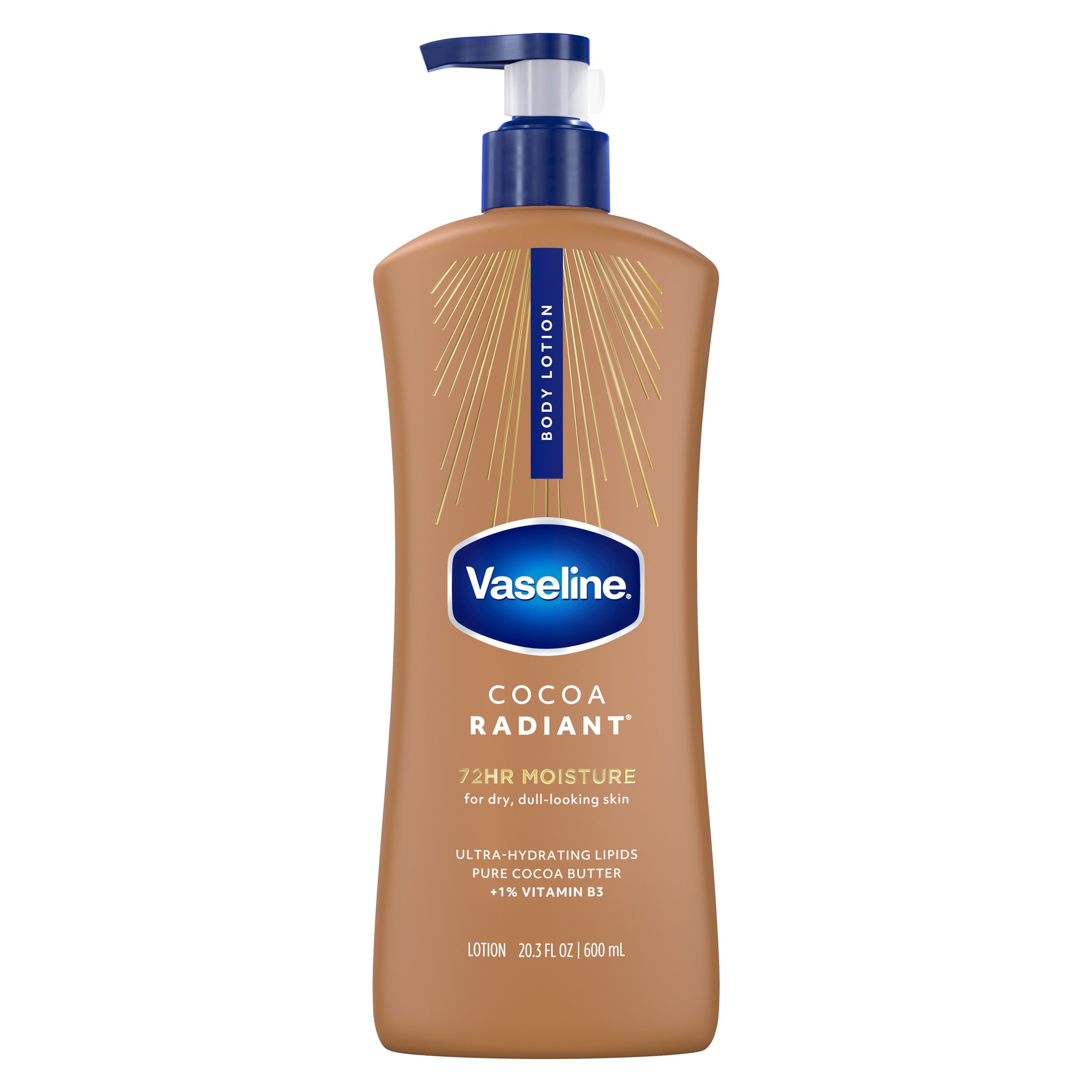
Vaseline® Intensive Care™ Cocoa Radiant™ Body Butter, for example, is formulated with the deep-healing moisture of Vaseline® Jelly micro-droplets and helps repair dry skin to restore its natural glow.

Cocoa Butter and Shea Butter for Winter Skincare
Caring for your skin is especially crucial during winter. Extreme temperatures and abrasive fabrics can take a toll on your skin, leaving it dull and irritated. In winter, your skin loses moisture much quicker because the cold outdoor air lacks humidity, and indoor heating can further deprive your skin of essential hydration.
Moisturizing daily and keeping a convenient moisturizer with you when you're out or at work can help lock in moisture and protect against harsh winter conditions. Here are a few daily tips for your winter skincare routine.
How to Incorporate Cocoa Butter and Shea Butter into Your Skincare Routine
By following these steps, you can effectively leverage the moisturizing and nourishing properties of cocoa butter and shea butter to maintain healthy, radiant skin throughout the year, especially during challenging winter months.
Embrace the Nourishing Power of Cocoa and Shea Butter
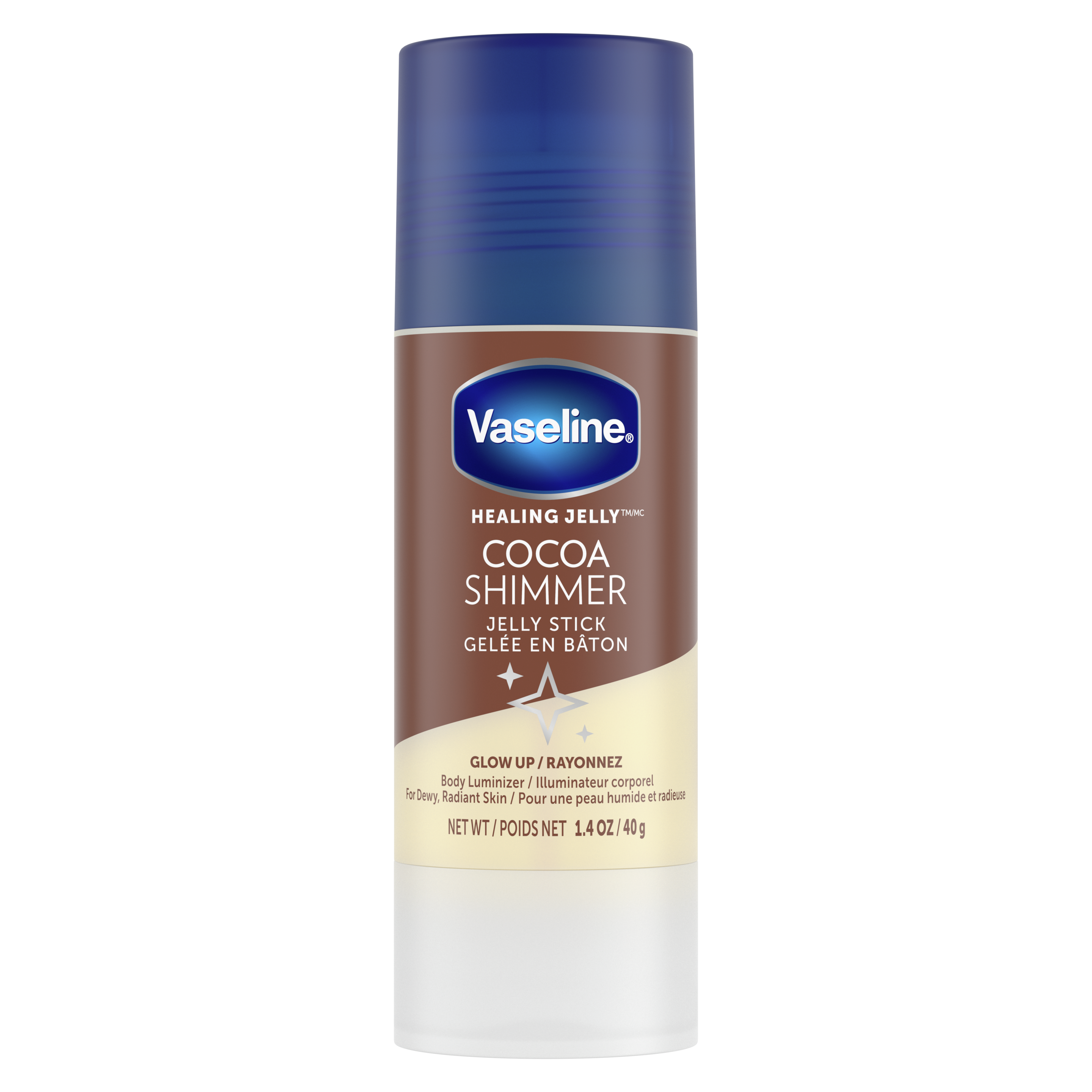
Cocoa butter and shea butter are invaluable additions to your cosmetic skincare regimen, offering profound benefits for daily moisturization and helping to soothe dryness associated with scars or stretch marks. Carrying a convenient tub of Vaseline® Healing Jelly Cocoa Butter can help keep your skin moist and glowing, even when you're outdoors in the winter. For skin that looks healthy, radiant, and deeply nourished, choose lotions and products containing the enriching blend of cocoa butter and shea butter.
Frequently Asked Questions
While cocoa butter and shea butter are excellent for skin health, they cannot completely remove existing scars or stretch marks. However, their deep moisturizing properties can significantly help to improve the appearance of these marks by keeping the skin supple and hydrated, which supports the skin's natural healing process and elasticity.
Generally, both cocoa butter and shea butter are well-tolerated. Shea butter is particularly known for being gentle and is often recommended for very dry, eczema-prone, or psoriasis-related dryness. For acne-prone skin, it's advisable to choose non-comedogenic formulations, such as Vaseline® Jelly Cocoa Butter, to avoid clogging pores.
Both butters are rich emollients that create a protective barrier on the skin's surface, locking in moisture and preventing water loss. Their thick consistency is especially beneficial in winter, when cold, dry air and indoor heating can strip the skin of its natural hydration. Regular application helps to keep skin soft, smooth, and protected against environmental stressors.
Yes, both cocoa butter and shea butter can be used on the face. However, if you have oily or acne-prone skin, it's crucial to select products specifically formulated as non-comedogenic to prevent pore clogging. Always perform a patch test first to ensure compatibility with your facial skin.
Cocoa butter typically has a distinct, mild chocolate-like aroma and a firmer, more solid texture at room temperature. Shea butter, on the other hand, has a milder, nutty scent and a creamier, softer consistency, making it easier to spread. The difference in fragrance also allows shea butter to be more versatile when combined with other ingredients without altering their natural aroma.
Expert Advice
The advice in this article does not constitute medical advice; it is solely available for informational purposes.