Skip to content


Key Takeaways for Dry Ear Relief
- Dry ear skin can be caused by environmental factors, aging, or specific skin conditions like eczema and psoriasis.
- Symptoms often include redness, flakiness, and itchiness, affecting both the inside and outside of the ear.
- Gentle cleansing and consistent moisturizing with products like Vaseline® Healing Jelly are key to soothing dry ears.
- Protecting your ears from sun and cold weather, along with using a humidifier, can help prevent dryness.
- Consult a healthcare professional if symptoms persist, worsen, or show signs of infection.
If you're experiencing uncomfortable dry skin in or around your ears, you're not alone. This common concern can stem from various factors, including environmental conditions or specific skin conditions. Like any dry skin, it can lead to irritation, flakiness, and itchiness, impacting your daily comfort. The good news is that in most cases, effective solutions are readily available.
Understanding the root causes of dry ear skin is the first step toward finding relief. Let's explore why your ears might be dry and how Vaseline® products can help soothe and hydrate them.
Understanding Dry Skin in Ears: Common Causes
Whether you notice dryness around your ears or deeper inside, several factors can contribute to dry ear skin. Here are some of the most common causes:
Environmental Factors
The weather significantly impacts your skin's moisture levels, and your ears are particularly susceptible. Cold temperatures reduce air humidity, and indoor heating further dries out the air. As our skin often mirrors the moisture in its surroundings, exposed ears can easily become dry. Remember to protect your ears when heading out in colder weather!
Excessive sun exposure can also lead to dry, itchy skin around and in the ear, especially since this area is often overlooked during sunscreen application. Over time, UV rays can damage skin, potentially leading to actinic keratosis, characterized by dry, scaly patches.
Aging Skin
As we age, our skin naturally produces less sebum, the oil that keeps skin soft and supple, making us more prone to dry ear skin. This dryness isn't limited to the ears; the American Academy of Dermatology Association notes that nearly everyone experiences some form of dry skin by age 60.
Underlying Skin Conditions
Eczema, including ear eczema, is a common inflammatory skin condition that can affect the ear canal and outer ear. Symptoms range from mild dryness to significant skin changes or infection. Several types of eczema can manifest in the ears:
- Atopic eczema: Often presents as dry, itchy, and red or darker skin, typically between the earlobe and face, and can be prone to infection.
- Asteatotic eczema: More common in older individuals, this type causes dry, scaly, and itchy ear skin.
- Contact dermatitis: Triggered by irritants or allergens such as certain shampoos, hair gels, earrings, or even tools used for ear cleaning.
- Otitis externa (Swimmer's ear): Can lead to earache, swelling, itching, and discharge from the inner ear.
Seborrheic dermatitis, another form of eczema, is an inflammatory skin condition characterized by white or yellow crusty skin in the inner ear and behind the ear. It is believed to be caused by the immune system's reaction to an overgrowth of a common, harmless yeast called malassezia that naturally lives on the skin.
This condition often appears in individuals who also experience scalp dandruff and flaky, itchy skin along the smile lines, eyebrows, chest, and sometimes the eyelids.
Psoriasis is an autoimmune condition impacting over 3% of the U.S. adult population. This disorder causes the immune system to become overactive, accelerating skin cell growth on various body parts, including the face, body, scalp, and ears. While skin cells typically grow and shed over a month-long cycle, psoriasis can shorten this process to just three or four days, leading to a buildup of skin cells that form plaques and scales on the skin's surface.
When to Consult a Healthcare Professional for Dry Ears
It’s important to consult a healthcare professional, dermatologist, or doctor if you experience any of the following symptoms related to dry ear skin:
- Persistent dry skin on ears or itchiness that does not improve with home remedies or over-the-counter treatments.
- Dry patches that develop crusts, become painful, or show signs of fluid or pus.
- Symptoms of ear eczema, such as swelling, noticeable changes in skin tone, intense itchiness, or discharge from inside the ear.
Effective Ways to Soothe Dry Skin in and Around Your Ears
Addressing dry ear skin at home involves consistent care and protective measures. By incorporating a few simple steps into your routine, you can help prevent and soothe dryness in and around your ears.

For convenient moisture application throughout your day, consider portable solutions that allow for easy reapplication, helping to keep your ear skin hydrated and comfortable wherever you are.

The Importance of Daily Moisturizing for Ear Skin
After initial hydration, consistent daily moisturizing is crucial to prevent recurring dryness. As dermatologist Dr. Mona Gohara states, “Well moisturized skin is healthy skin.” She advises using a lotion, cream, or oil to combat dry skin, particularly during dry seasons. These products work by rehydrating the skin's surface and sealing in moisture, which helps restore the health of your ear skin.
When applying moisturizing products, it is generally safe to use them on the outer ear, earlobe, and the bowl of the ear. However, avoid applying any lotions or creams directly into the ear canal, as this area requires specific medicinal treatments recommended by a healthcare professional.
Protecting Ear Skin from Environmental Factors
Protecting your ears from harsh weather conditions is a simple yet effective way to prevent dryness. Consistent exposure to elements like strong sun or cold winds can strip moisture from the delicate skin around your ears. Consider incorporating protective measures into your daily routine.
Exploring Alternative Over-the-Counter Solutions
If consistent home care doesn't fully resolve your dry ear skin concerns, exploring alternative over-the-counter products might be beneficial. These options can offer additional support for persistent dryness.
Embrace Healthy Ear Skin
It's easy to overlook the delicate skin on and around our ears, but consistent care is essential for preventing and managing dryness. By incorporating ear care into your daily moisturizing routine, protecting against environmental factors, and knowing when to seek professional advice, you can maintain comfortable and healthy ear skin. Remember, if symptoms persist or worsen, consulting a healthcare professional is always recommended.
These articles provide general tips and information about improving skin health. They have been written by health and beauty writers. They have not been written by health care professionals and, as such, don’t constitute medical advice. If you have a serious skin condition, please consult a medical professional.
Frequently Asked Questions About Dry Ears
It is generally safe to apply moisturizing creams to the outer ear, earlobe, and the bowl of the ear. However, you should never apply lotions or creams directly into the ear canal. Dryness within the ear canal requires specific medicinal products recommended by a pharmacist, dermatologist, or doctor.
Flaky skin in the ear canal can be caused by several factors, including environmental dryness, excessive cleaning that strips natural oils, or underlying skin conditions like eczema (e.g., seborrheic dermatitis) or psoriasis. Sometimes, a buildup of dry earwax can also appear as flakes.
To prevent dry ears in winter, protect them from cold, dry air by wearing a warm hat or earmuffs when outdoors. Indoors, use a humidifier to add moisture to the air, especially if you use central heating. Consistent moisturizing with a gentle product like Vaseline® Healing Jelly can also help maintain skin hydration.
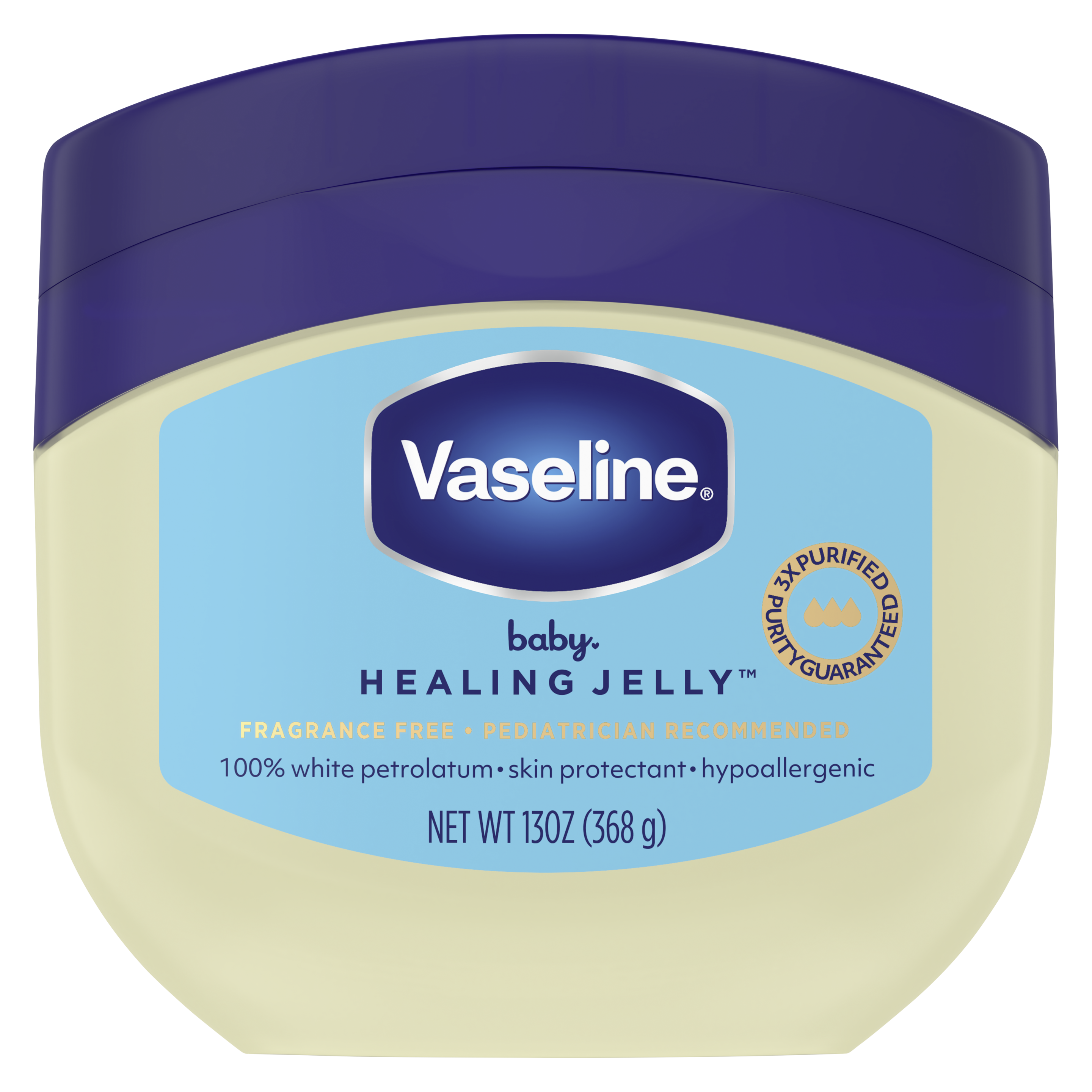
Yes, Vaseline® Healing Jelly Original is hypoallergenic and non-comedogenic, making it suitable for use on dry skin behind the ears. It helps to create a protective barrier that locks in moisture, aiding in the skin's natural healing process. It has also been awarded the US National Eczema Association Seal of Acceptance.
You should consult a doctor if your dry, itchy ears do not improve with home remedies, if you experience persistent pain, swelling, redness, discharge, or if the dry patches develop crusts or show signs of infection. These symptoms could indicate an underlying condition requiring medical attention.
While earwax itself is designed to moisturize and protect the ear canal, an excessive buildup or very dry, hard earwax can sometimes contribute to irritation and a feeling of dryness or flakiness. Conversely, over-cleaning the ears can strip away natural earwax, leading to dryness. It's best to let earwax naturally clear or consult a professional for removal if needed.
Related Articles



Related Products

- slide 1
- slide 2
- slide 3
- slide 4
- slide 5