Skip to content

Experiencing dry skin around your nose can be a common and often frustrating concern, leaving many wondering about its underlying causes and how to find relief. If you're facing this challenge, you're certainly not alone. This guide delves into the surprising reasons behind dry skin around the nose, offering expert insights into its root causes, effective treatments, and proactive measures to maintain healthy, hydrated skin. Let's explore how to combat this discomfort and restore your skin's optimal condition.
Key Takeaways for Soothing Dry Skin Around Your Nose
- Identify the Cause: Dry skin around the nose can stem from conditions like seborrheic dermatitis, environmental factors, harsh skincare products, allergies, dehydration, or even over-cleansing.
- Gentle Care is Key: Opt for mild, hydrating cleansers and avoid excessive washing to protect your skin's natural barrier.
- Hydrate Internally and Externally: Drink plenty of water and use a humidifier, especially in dry environments, to keep skin supple.
- Protect from Elements: Shield your nose from harsh winds and cold weather with scarves or face masks.
- Choose the Right Products: Look for moisturizers with humectants (glycerin, hyaluronic acid) and occlusives (petroleum jelly) to lock in moisture.
- Seek Expert Advice: If dryness persists, worsens, or shows signs of infection, consult a dermatologist for professional guidance.
What Causes Dry Skin Around the Nose?
From skin conditions to harsh winter weather, several factors can contribute to dry skin. The delicate skin on the bridge of the nose, being a prominent facial feature, is particularly susceptible to dryness due to environmental factors and constant exposure. Here are some of the most common causes of dry nose skin:
Seborrheic Dermatitis
One significant contributor to dry, flaky skin around the nose is seborrheic dermatitis, a chronic condition characterized by flaky skin with a red, pink, or slightly purple appearance, depending on your skin tone. It can manifest around the nostrils, as well as on the ears, eyebrows, beard, and scalp (dandruff is its mildest form).
While it may sometimes resolve on its own, there isn't a specific cure. If you suspect you have this condition, it's advisable to consult a dermatologist or healthcare professional for guidance.
Environmental Factors
Our skin is constantly exposed to various environmental stressors, and the sensitive skin around the nose is no exception. Factors like excessive UV ray exposure, dry winter air, and low indoor humidity can compromise the skin barrier and accelerate moisture loss. This is because our skin's hydration often mirrors the humidity in the surrounding air. Given its frequent exposure, the nose area becomes quite vulnerable to dryness.
Protecting your face with a scarf in cold weather or using a humidifier indoors can offer significant relief. However, it's not just the outdoors to consider. As dermatologist Dr. Mona Gohara explains, "Maximum heat blasting through the vents can be another source of barrier compromise, so humidifying the air can help to soften the skin and cushion the excess heat blow to the skin barrier."
Skincare Products
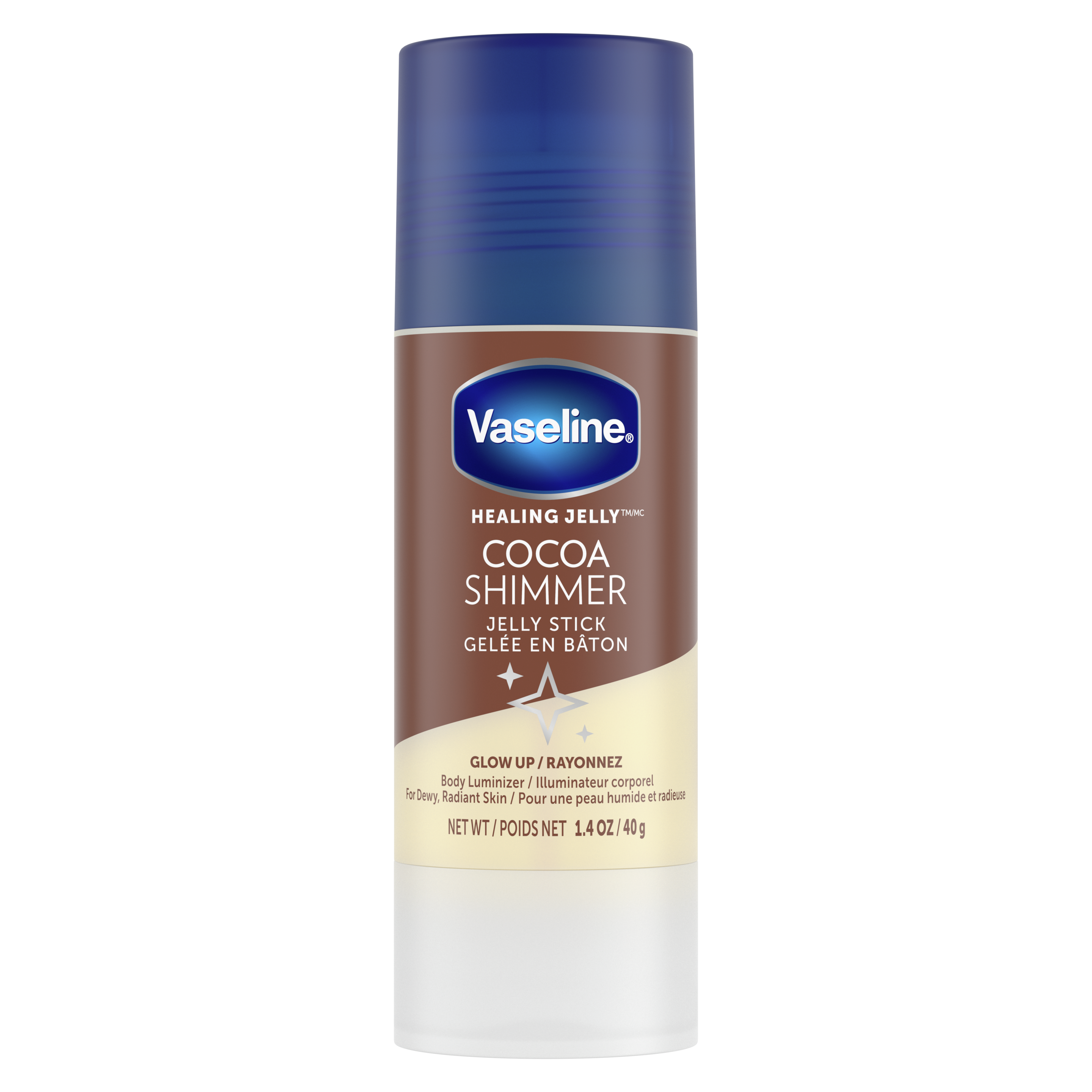
It might be surprising to learn that some products intended to enhance your beauty routine could actually contribute to dryness. Certain skincare ingredients, such as retinoids and benzoyl peroxide, can be harsh on sensitive facial skin. To prevent irritation and dryness, opt for milder products, such as Vaseline® All-Over Body Balm Jelly Stick, and introduce new ones gradually to identify any potential irritants.

Allergies or Colds
Allergies and colds can manifest not only in sniffles but also in dry, crusty skin around the nose. The friction from constantly blowing your nose with tissues, combined with the effects of certain medications, can leave the skin around your nose feeling raw and in need of extra care. Using extra-soft tissues and maintaining consistent moisturization can help reverse this dryness and discomfort.
General Dehydration
Dehydration affects the entire body, including the skin. Drinking an ample amount of water ensures your skin stays hydrated from within. You may also consider incorporating more hydrating foods into your diet and limiting dehydrating beverages like alcohol and excessive caffeine.
Over-Cleansing
While cleanliness is essential, excessive cleansing can strip your skin of its natural oils, leaving it parched, flaky, and sometimes inflamed. Dr. Gohara explains, "Harsh cleansers can strip the skin barrier of natural lipids and proteins, leaving it weaker. Compromised barriers allow water to evaporate out and irritants to enter their way onto the skin, causing dryness and flakiness." The solution? Opt for a mild, hydrating cleanser and avoid washing your face excessively, especially during dry winter months.
Specific Causes of Dry Skin on the Nose Bridge
While many of the factors above can cause dry skin on the nose bridge, there's another specific reason you might experience dryness in this area.
Contact Dermatitis
Contact dermatitis, triggered by skin coming into contact with a particular substance, can cause dry skin on the nose bridge. A common culprit is nickel contact dermatitis, often caused by reading glasses resting on the bridge of the nose. If you suspect this is the case, consult a dermatologist to inquire about patch testing.
Effective Strategies to Soothe Dry Skin Around Your Nose

Understanding the timeline for improving dry skin around your nose can vary. For some, relief may be noticeable within days with consistent, appropriate treatments, while others might need several weeks or even months for a full recovery. The key to success is consistency in your skincare routine and adherence to recommended practices.
While many instances of dry skin around the nose can be effectively managed at home, there are situations where professional medical guidance becomes necessary. If your symptoms persist, worsen, or if you observe any signs of infection, it is crucial to consult a dermatologist or healthcare provider promptly for an accurate diagnosis and personalized treatment plan.
Dry skin around the nose can indeed be a persistent issue, but with the right knowledge and a dedicated skincare regimen, you can effectively manage and prevent it. Remember, consistency is paramount, and never hesitate to seek expert advice from a dermatologist or healthcare provider when in doubt. Here's to achieving healthy, hydrated skin that radiates confidence!
These articles provide general tips and information about improving skin health. They have been written by health and beauty writers. They have not been written by health care professionals and, as such, don’t constitute medical advice. If you have a serious skin condition, please consult a medical professional
Embrace Healthy, Hydrated Skin Around Your Nose
Navigating the challenges of dry skin around your nose requires understanding its diverse causes and adopting a consistent, gentle skincare approach. By integrating expert-backed tips—from internal hydration to protective measures and suitable products—you can effectively soothe discomfort and restore your skin's natural balance. Remember, your journey to healthy skin is unique, and maintaining a proactive routine is key to radiating confidence. If concerns persist, a dermatologist can offer tailored support.
Frequently Asked Questions About Dry Nose Skin
Dry skin around the nose can be caused by various factors, including skin conditions like seborrheic dermatitis, environmental stressors such as harsh weather or low humidity, certain irritating skincare products, allergies or colds that lead to frequent nose blowing, general dehydration, and even over-cleansing. Contact dermatitis from irritants like glasses can also contribute.
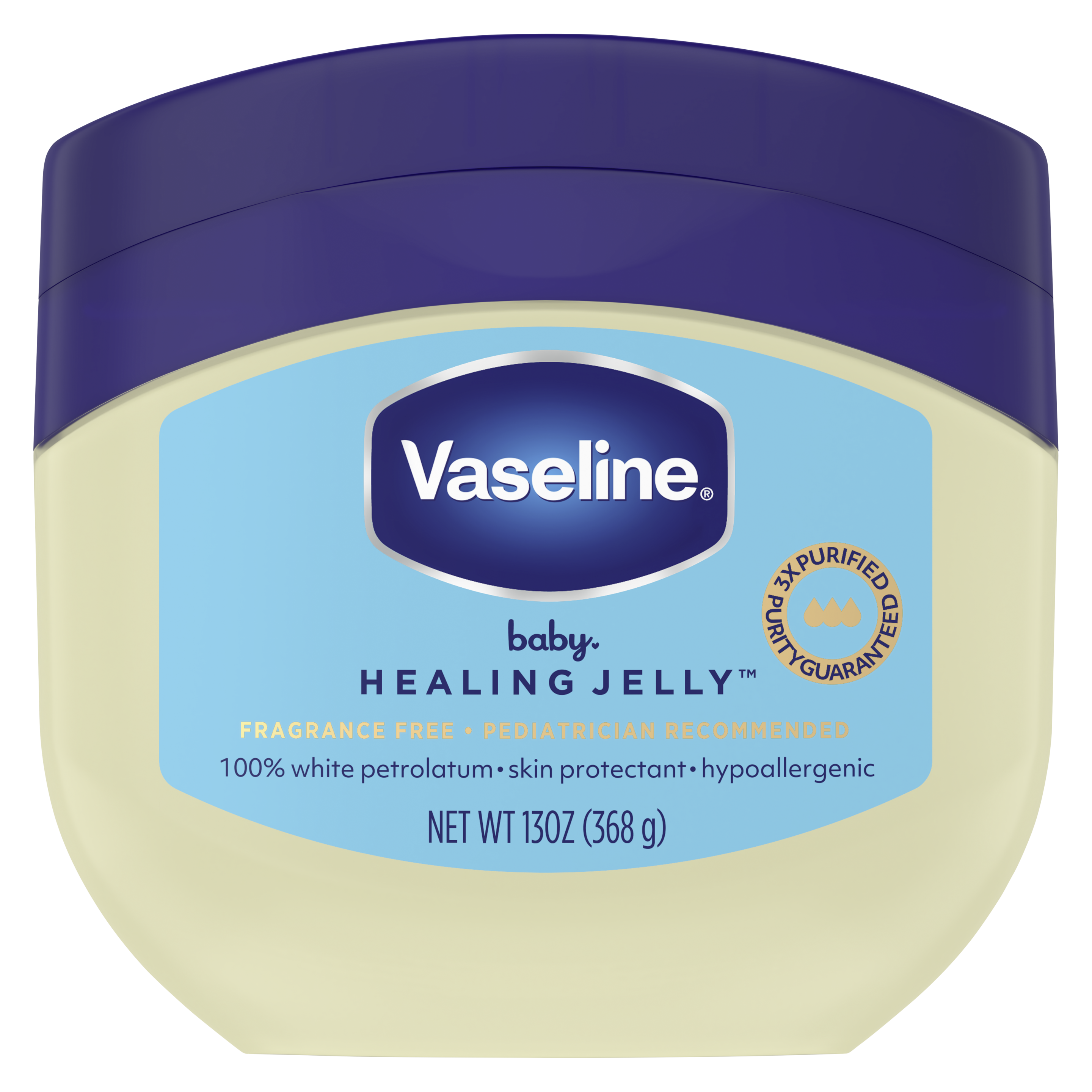
To effectively moisturize dry skin around your nose, choose products rich in hydrating ingredients like hyaluronic acid, glycerin, and ceramides. Apply a thin, even layer of moisturizer to the affected area after cleansing. For targeted relief and to lock in moisture, consider using a protective occlusive like Vaseline® Healing Jelly.
The recovery time for dry skin around the nose varies. Some individuals may see improvement within a few days with consistent treatment, while others might need several weeks or months for complete resolution. Consistency in your skincare routine and addressing the root cause are crucial for seeing positive results.
It's advisable to consult a dermatologist or healthcare provider if your dry skin symptoms persist, worsen, or if you notice signs of infection such as increased redness, swelling, warmth, or pus. Professional guidance can help diagnose underlying conditions like seborrheic dermatitis or contact dermatitis and recommend appropriate treatments.
Yes, Vaseline® Healing Jelly is a time-tested remedy known for its occlusive properties. It creates a protective barrier on the skin, helping to lock in moisture and support the skin's natural healing process. It can be particularly beneficial for soothing dry, chapped, or raw skin around the nose, especially after frequent blowing during a cold.
When selecting skincare products for dry nose skin, prioritize ingredients that hydrate and support the skin barrier. Look for humectants like glycerin and hyaluronic acid, which draw moisture into the skin. Emollients such as shea butter or cocoa butter soften and smooth, while occlusives like petroleum jelly or squalene help seal in moisture and protect the skin.
Discover More Articles on Skin Health




Explore Our Recommended Products for Dry Skin Relief

- slide 1
- slide 2
- slide 3
- slide 4
- slide 5