Skip to content

Learn differences between dry and dehydrated skin to treat it.
Understanding the Difference: Dry vs. Dehydrated Skin
With changes in climate, you may experience changes in your skin’s appearance. As temperatures fall, so too do the levels of humidity. And with more use of indoor heating systems, skin is further depleted of moisture, leaving it feeling dry.
While it is crucial to treat extremely dry skin, you also need to understand the nuances between dehydrated and dry skin. When looking closely at dehydrated skin vs dry skin, the core difference comes down to what your skin is lacking: dry skin lacks natural oils (lipids), while dehydrated skin lacks water
When comparing dehydrated vs dry skin, remember that dry skin is a specific skin type you are usually born with, whereas dehydration is a temporary skin condition that can affect anyone. Assessing dry vs dehydrated skin means checking your symptoms—dehydration often feels tight and looks dull, while dryness is characterized by flaking and rough texture. Properly diagnosing dry skin vs dehydrated issues ensures you select the correct routine. If your skin lacks oil, you need a nourishing skin moisturiser for dry skin. Using a rich moisturiser for dry skin will help lock in those necessary lipids. Conversely, the best skin products for dehydrated skin are typically water-based hydrators packed with humectants like glycerin or hyaluronic acid to draw moisture back into the cells.
How to Treat Dry Skin
The way to treat dry skin starts by first knowing the difference between dry skin and extremely dry skin. When skin gets to the point of itchiness and flakiness, it means its natural lipids have been depleted and in need of replenishment. This is called extremely dry skin, and it usually occurs when dry skin goes untreated.
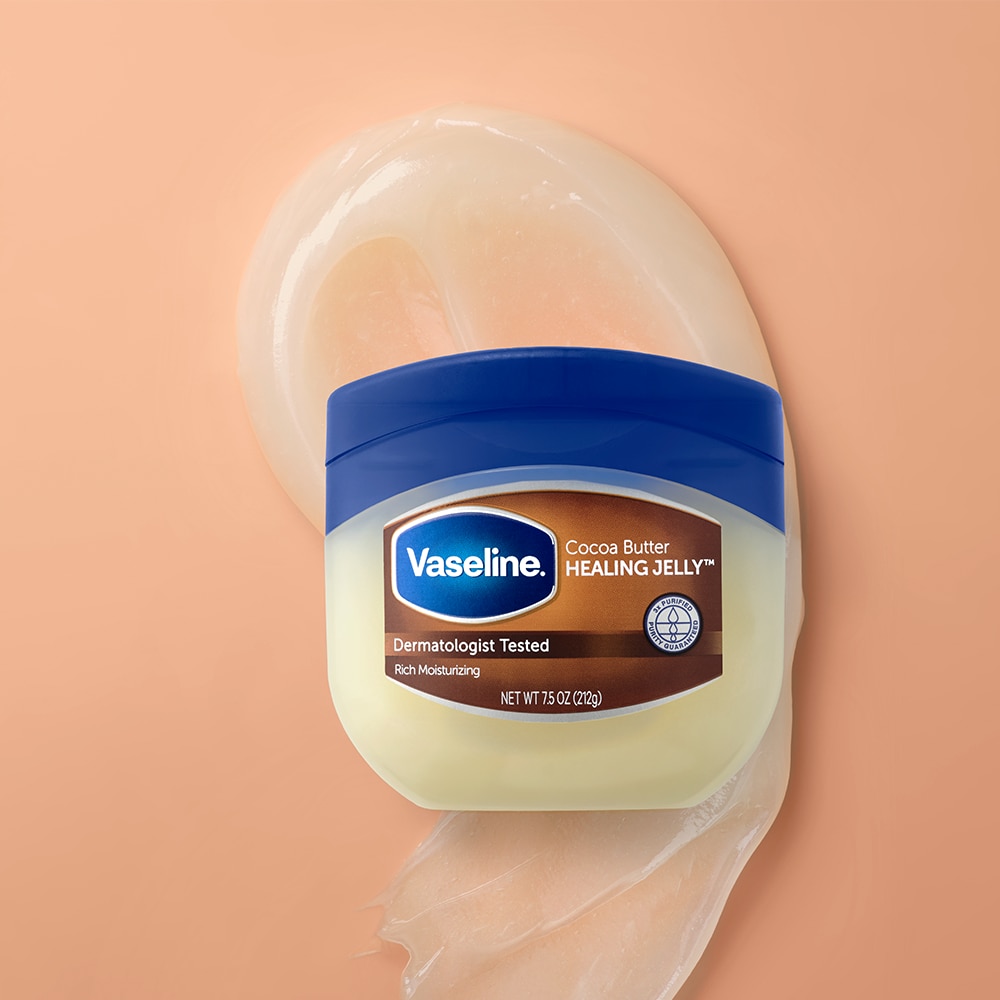
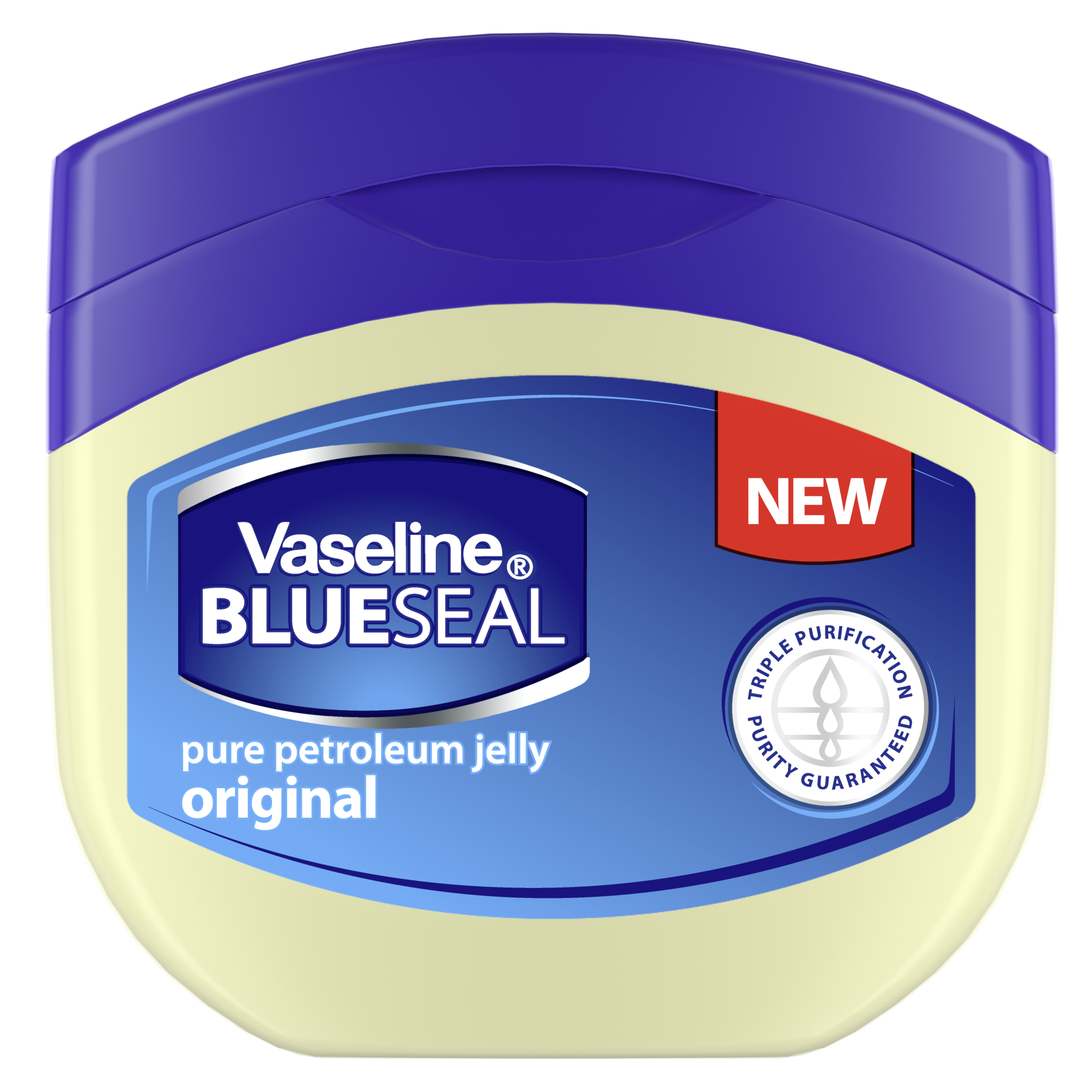
To soothe extremely dry skin and keep it hydrated at the same time, pure petroleum jelly, like Vaseline® Petroleum Jelly, is very gentle on skin. And a good moisturizing lotion, like Vaseline® Advance Repair, helps to heal dry skin deep down and provides relief from itchy dryness. The glycerin and micro-droplets of petroleum jelly work together to lock in moisture and help repair the skin’s natural barriers. To restore moisturization and skin radiance, use Vaseline® Intensive Care™ Radiance Restore Healing Serum—formulated with pure cocoa butter and helps to leave skin feeling silky and smooth.
Determine if your skin is dry or extremely dry, then add the hydration back with the right skincare products.
Expert Advice
The advice in this article does not constitute medical advice, it is solely available for information purposes.
Related Articles


Frequently Asked Questions about Dry vs Dehydrated Skin
Dry skin is a skin type characterized by a lack of natural oils (sebum). Dehydrated skin is a temporary condition caused by a lack of water in the uppermost layer of the skin.
Yes. Because dehydration is a lack of water and not oil, people with oily or acne-prone skin types can easily experience dehydrated skin, often leading to overproduction of oil to compensate for the lack of moisture.
When dry skin is left untreated, it can progress to extremely dry skin. Common signs include severe flakiness, rough texture, redness, and uncomfortable itchiness.
If you have dry skin, look for moisturisers containing emollients and occlusives like petroleum jelly, cocoa butter, and ceramides. These help replenish lost lipids and repair the skin barrier.
To treat dehydrated skin, incorporate humectants like glycerin or hyaluronic acid into your routine. Ensure you are drinking enough water throughout the day and avoid harsh, stripping cleansers.
Absolutely. Dropping temperatures, low humidity, and the use of indoor heating can rapidly deplete your skin's moisture, leading to both dryness and dehydration.
Yes. Ingredients like pure petroleum jelly work as occlusives. By forming a protective seal over the skin, they lock in existing water and prevent transepidermal water loss, giving the skin time to repair its natural barrier.
RELATED PRODUCTS

- slide 1
- slide 2
- slide 3
- slide 4
- slide 5
- slide 6